Pet Bird Happiness Signs
If you own a pet bird, noticing changes in their behavior and appearance is key to ensuring they remain happy and healthy. A pet bird that feels secure, well‑fed, and engaged with its environment will show vivid feathers, bright eyes, and frequent social interactions. This guide explores the subtle cues that reveal your feathered companion’s well‑being and offers practical tips for maintaining peak bird health.
1. Bright, Full‑Feathered Plumage
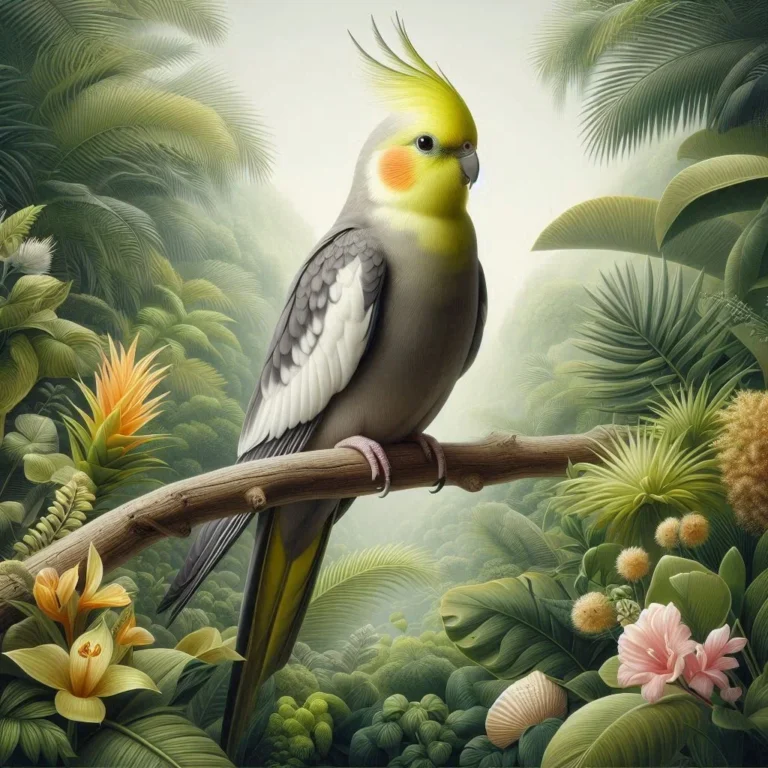
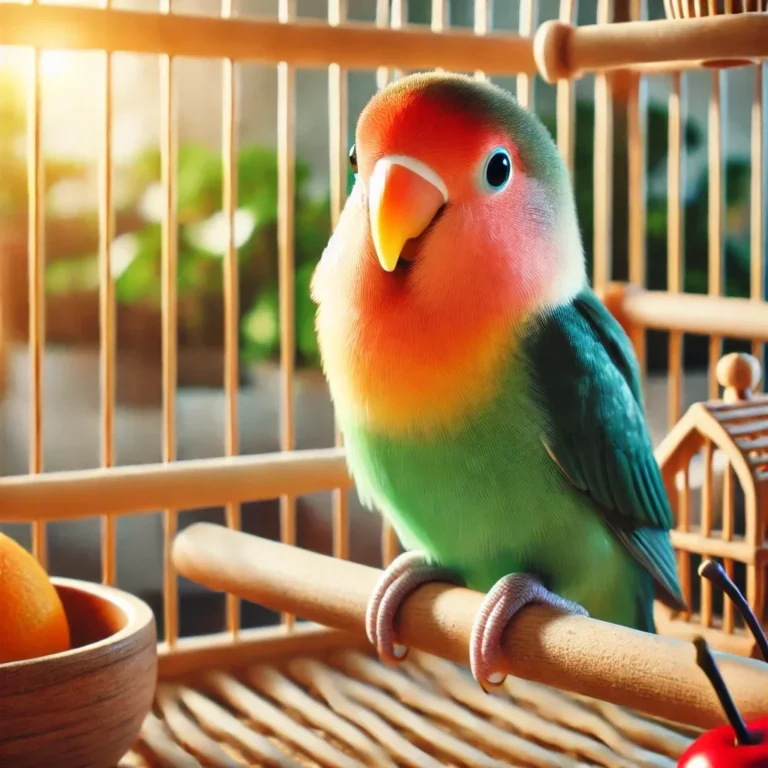
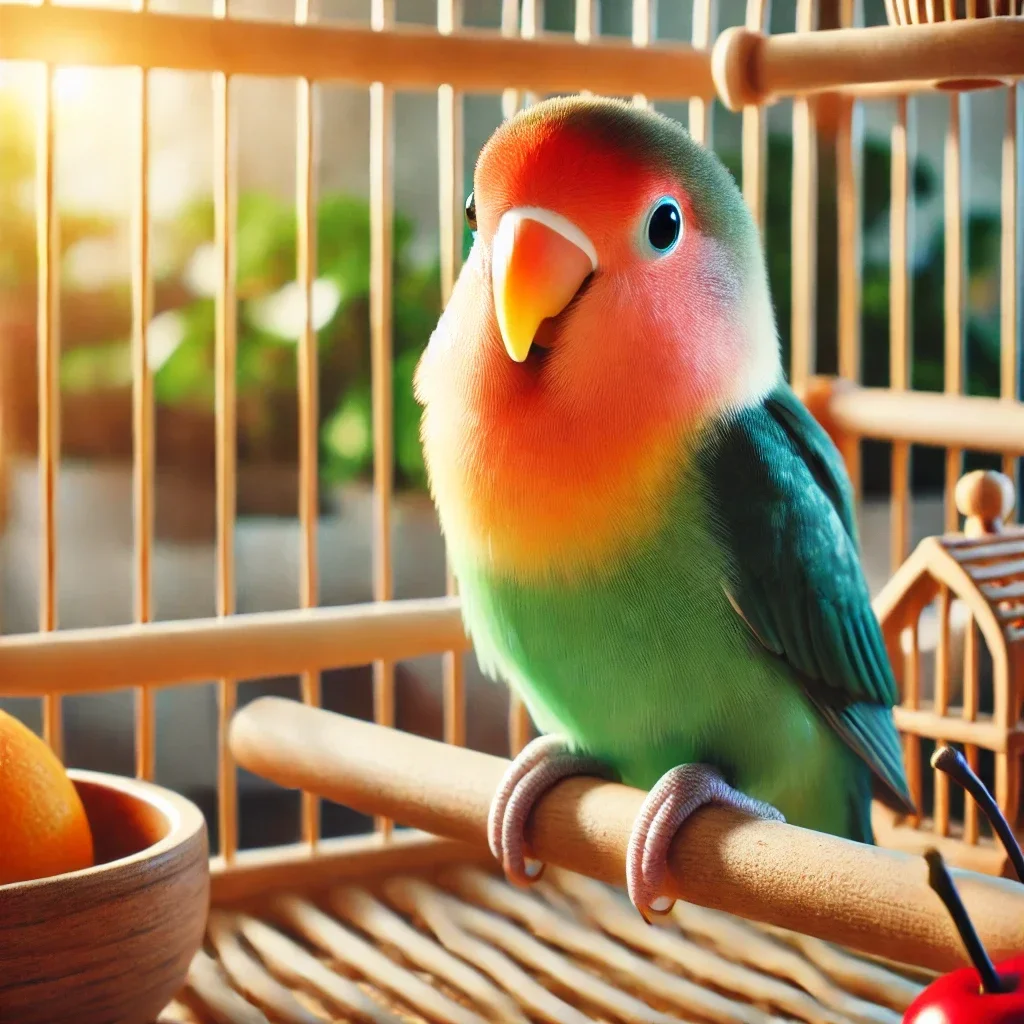
One of the most visible indicators that your pet bird is thriving is the condition of its feathers. Healthy birds regularly preen to maintain smooth, glossy plumage that reflects light. Feathers that appear dull, frayed, or matted often signal stress, nutritional deficiencies, or underlying health issues. Regular preening also indicates confidence—a bird that feels safe will preen in front of you, and may even invite you to touch its crest.
2. Expressive Vocalizations
Birds communicate through a range of sounds, and a happy pet bird tends to sing, chirp, and call pleasantly. Excessive whimpering or screeching can be a sign of distress. Monitor the quality and frequency of vocalizations: a pet bird that sings regularly and uses a variety of tones is usually comfortable and content. The Science of Feather shows that healthy feathers support optimal sound production, making vocalizations a reliable happiness marker.
3. Active Exploration and Play
Curiosity is a hallmark of a healthy bird. Watch for spontaneous perch hopping, foraging for treats, or involvement in puzzle toys you provide. An engaged bird will explore its cage, climb safely, and interact with family members. Conversely, lethargy or reluctance to be handled may indicate illness or fear. Encourage play with safe, species‑appropriate toys, and remember that a well‑stimulated bird is a happier, healthier pet.
4. Healthy Appetite and Grooming
Monitoring food intake and grooming habits gives deeper insight into your bird’s overall welfare. A pet bird that enjoys a varied diet—fresh fruits, vegetables, high‑quality pellets—will typically display a steady appetite. Sudden changes, such as refusing to eat or excessive drooling, merit veterinary attention. Regular grooming, including feather bathing and nail trimming, is another sign of good health; birds that groom themselves well tend to exhibit stronger immune systems.
Signs List for Quick Reference
- Full, lustrous plumage.
- Frequent, pleasant chirps and songs.
- Energetic hops, climbs, and treat‑seeking behavior.
- Steady, varied diet and consistent grooming.
- Clear, bright eyes with no discharge.
- Responsive to touch and familiar voices.
- Regular elimination and normal stool color.
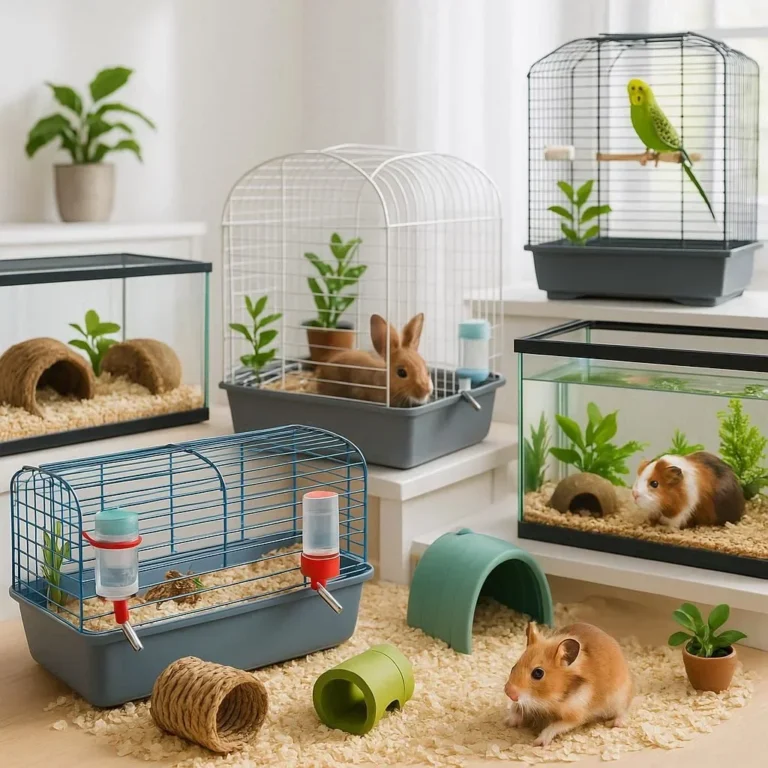
These indicators, when observed together, suggest your pet bird is in a stable, joyful state. However, it’s essential to recognize that individual species have specific care requirements. For example, parrots often need more mental stimulation, while smaller finches thrive on quiet spaces and a clean cage.
When to Seek Professional Help
Even a seemingly content bird can develop hidden afflictions. If you notice any of the following, consult a qualified avian veterinarian promptly: unusually swollen eyes, feather loss or bald patches, abnormal droppings that are foul, yellow, or semi‑solid, coughing or wheezing, or sudden changes in behavior.
Resources for avian health are abundant; the AVMA Avian Resources provides guidelines on nutrition, enclosure setup, and common illnesses that affect pet birds. For concerns about zoonotic risks—particularly if your bird lives in close proximity to humans—refer to the CDC Animal Health page.
Maintaining Long‑Term Harmony
Daily care is the cornerstone of a happy pet bird. Maintain a clean cage, rotate toys, and provide social interaction—whether through gentle hand‑talk, supervised cage time, or safe flight in a controlled environment. A consistent routine minimizes anxiety and supports a bird’s natural circadian rhythm. Additionally, rotate feeders and water bowls regularly to reduce bacterial growth, and keep the bird’s perch material fresh to prevent nail overgrowth.
Continuous observation allows you to spot subtle shifts in mood or body language. Training techniques that reward desired behaviors can reinforce positive interactions and help your pet bird develop confidence. Simple tricks like “wave” or “step up” on command encourage participation and partnership.
Conclusion and Call to Action
Observing the **Signs Your Pet Bird Is Happy and Healthy**—from vibrant plumage to lively vocalizations—provides peace of mind and fosters a stronger bond between you and your feathered friend. By attentively monitoring behavior, maintaining optimal nutrition, and ensuring a stimulating environment, you’re investing in long‑term well‑being. If you suspect any of these symptoms or simply want to confirm you’re meeting all of your bird’s needs, contact your avian veterinarian today. Their expertise will help you tailor care strategies that keep your pet bird happy, healthy, and thriving for years to come.