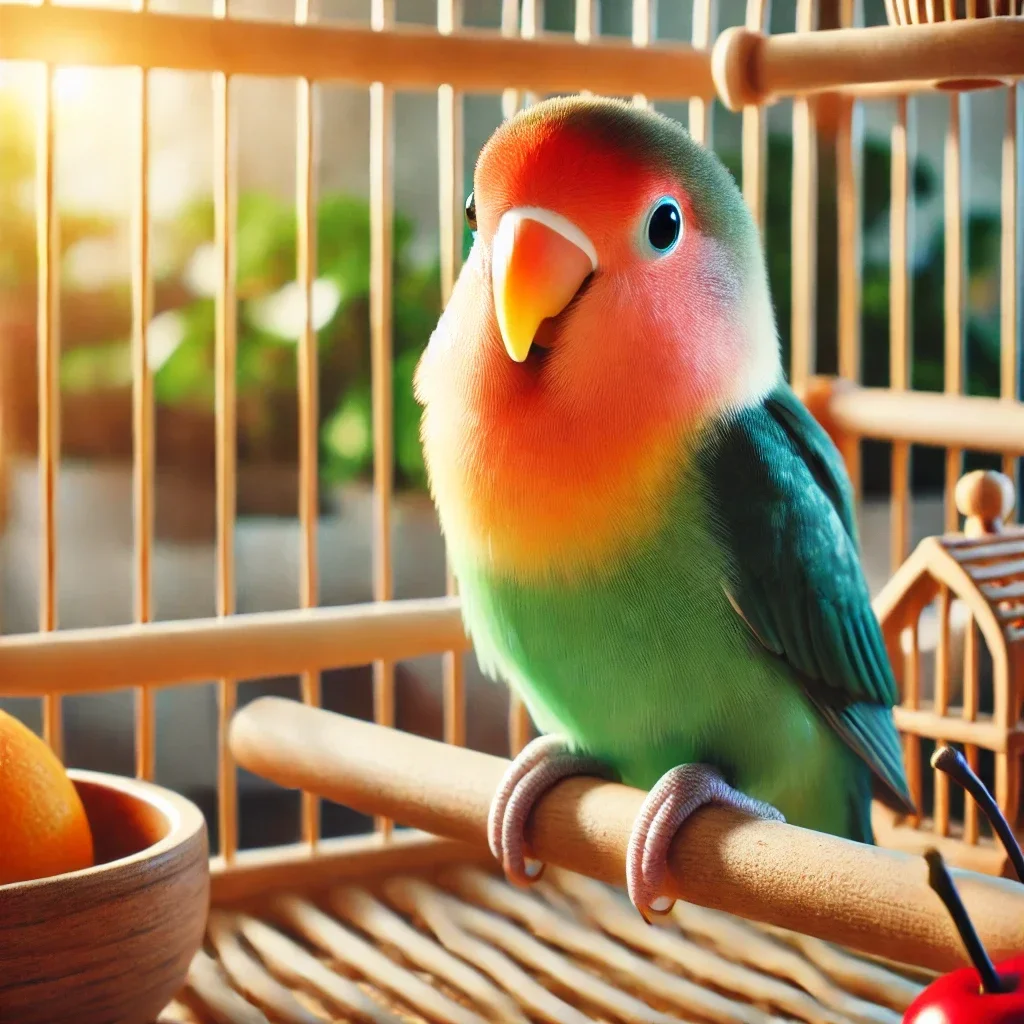
Pet Birds That Learn Tricks
Pet birds are known for their vibrant colors, lively personalities, and remarkable ability to mimic sounds. When it comes to learning tricks, many species thrive on the mental stimulation and interaction provided by a dedicated owner. Whether you have a playful budgerigar, a confident cockatiel, or a clever African grey, there are countless ways to teach your feathered friend new commands and impressive feats.
Why Pet Birds Make Great Trick‑Takers
The foundational reason pet birds excel at learning tricks is their natural curiosity and social nature. Birds in the wild constantly engage with their environment, solving problems and communicating with companions. This innate behavior, combined with a bird’s high memory retention, makes them receptive to training. Studies on avian cognition show that species such as parrots and cockatiels demonstrate advanced problem‑solving skills, a key factor in successful training sessions. Trainer patience and consistent reinforcement turn these traits into tangible talent.
Top Trick‑Friendly Species
- Parrots (&em;Psittacidae') – Including African greys, macaws, and budgies, parrots have some of the best learning capacities in the bird world. Learn more about parrots.
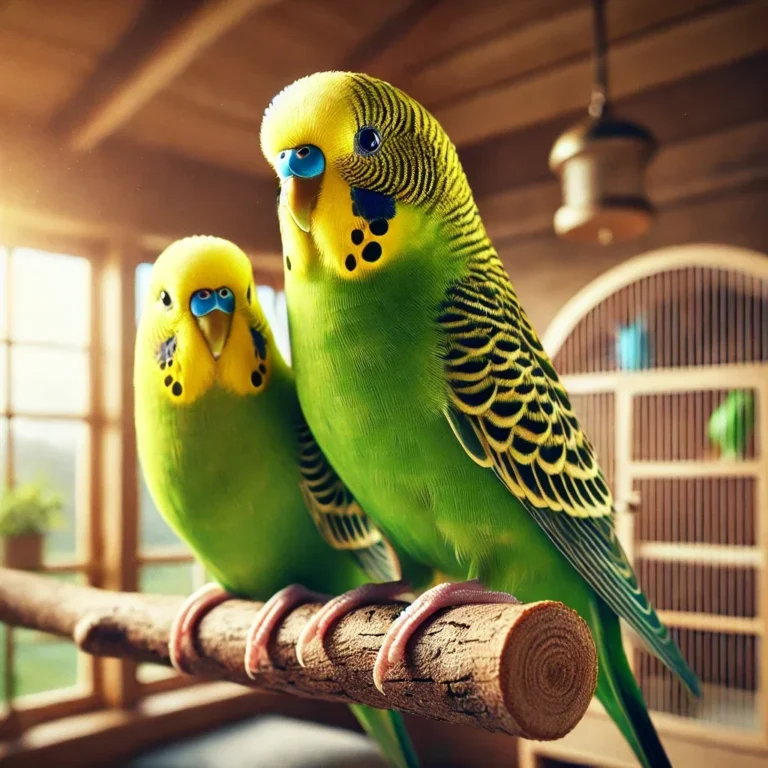
- Budgerigars – Also known as budgies or parakeets, these small parrots are quick learners and respond well to gentle encouragement. Explore budgerigar facts.
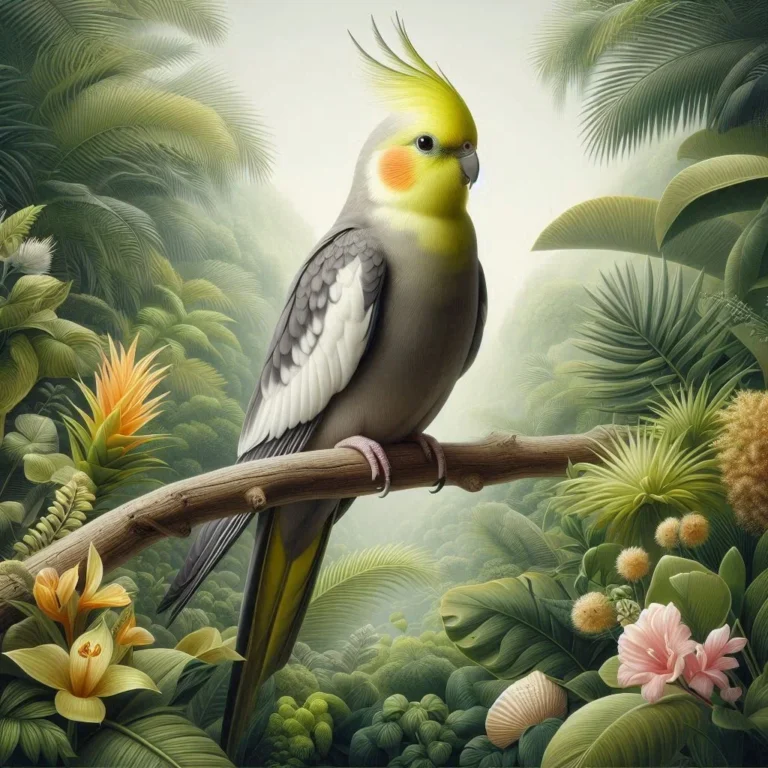
- Cockatiels – Cockatiels enjoy human interaction and can be taught a variety of vocal and physical tricks. Read about cockatiels.
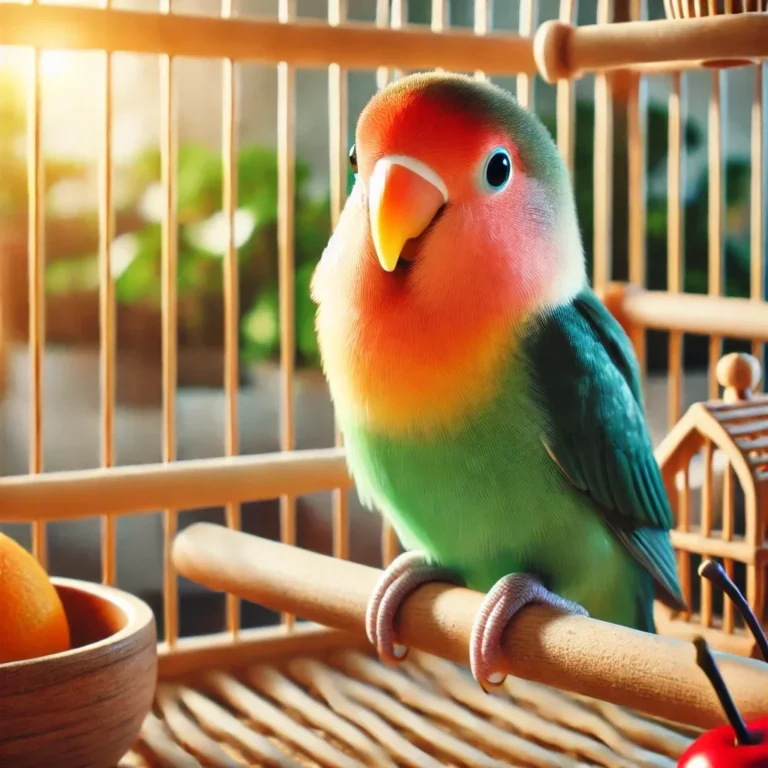
- Lovebirds – Small, affectionate, and full of personality, lovebirds can perform “flips” and “kiss” tricks with proper training.
- Conures – These upbeat parrots thrive in a stimulating environment and can learn complex sequences of commands.
Training Techniques That Work
Effective bird training hinges on timing, positive reinforcement, and clear communication. Below are proven techniques that trainers use across species:
- Positive Reinforcement – Reward your bird with treats, praise, or play immediately after it performs the desired trick. This reinforces the behavior and encourages repetition.
- Shaping – Break a complex trick into smaller, manageable steps. Reward progress at each stage before moving to the next.
- Consistency – Train at the same time each day to establish a routine. Consistency builds confidence and reduces anxiety.
- Patience and Persistence – Birds learn at varying speeds. Maintain a calm demeanor; frustration can confuse or discourage the bird.
- Hand Signals – Pair verbal cues with hand gestures to provide an additional visual cue, especially for noisy environments.
For a deeper dive into bird training science, consult resources from the Cornell Lab of Ornithology and other reputable institutions.
Common Mistakes and How to Avoid Them
Owners often fall into pitfalls that hinder training progress. Avoid the following to keep your bird engaged:
- Inconsistent Praise – Conflicting signals can confuse the bird. Use the same verbal cue and gesture for each trick.
- Over‑feeding Treats – Excessive treats can lead to obesity. Alternate treats with fresh fruit or vegetables.
- Too Much Novelty – Introducing new toys or environments too often can overwhelm the bird. Keep the training space stable.
- Neglecting Social Interaction – Birds thrive on interaction. Skip bonding sessions just as you would skip physical exercise for yourself.
Safety Tips for Your Feathered Friend
Safe training starts with a safe environment. Keep these tips in mind:
- Use bird‑safe cleaning products that are non‑poisonous and well‑ventilated.
- Choose non‑toxic, organic treats to protect respiratory health.
- Avoid training near bright lights or high‑traffic areas to reduce distraction.
- Monitor for signs of stress, such as excessive feather plucking or sudden weight loss.
Birds take cues from their surroundings; a harmonious environment is essential for consistent learning.
Ready to Start Teaching Your Pet Bird? Get Started Today!
If you’re eager to transform daily interactions into meaningful progress, start with a simple “step on” command and reward your bird frequently. Use a small, soft treat like dried apple or a commercial bird treat for the first few sessions. Observe, adjust, and celebrate each milestone—your feathered companion will shine brighter with each new trick learned.
Need expert guidance? Visit trusted organizations such as the All About Birds community or reach out to certified avian behaviorists in your area. Happy training!