Talking Bird Species Guide
Choosing the right feathered companion can transform your home into a lively, interactive sanctuary. If you’re drawn to the animated chatter of a bird that can mimic words, understand that not every bird will suit your lifestyle or offer the same level of communication. In this guide, we explore the best talking bird species for pet owners, focusing on their social needs, intelligence, and propensity for engaging in bird communication. By the end, you’ll have a clear picture of which species aligns with your home, experience level, and desire for a companion who talks back.
Talking Bird Species: Cockatiel
The cockatiel (Nymphicus hollandicus) is often the first talking bird pet owners encounter, and for good reason. These birds are renowned for their affectionate nature and ability to quickly learn basic phrases. With a lifespan of around twelve to fifteen years in captivity, a cockatiel offers long-term companionship.
- Vocalization Style: They produce a variety of chirps, whistles, and even basic phrases, especially when they feel bonded with their owner.
- Social Needs: Cockatiels thrive on interaction; they require daily mental stimulation and companionship.
- Training Tips: Use repetition, positive reinforcement, and short training sessions for best results.
- Pros: Friendly, less aggressive, great for families and beginners.
- Cons: They can become overly demanding if neglected.
According to the Wiki entry on cockatiels, they possess a friendly temperament that makes them ideal for first-time pet bird owners. They also exhibit strong bird behavior cues that indicate when they are happy and relaxed.
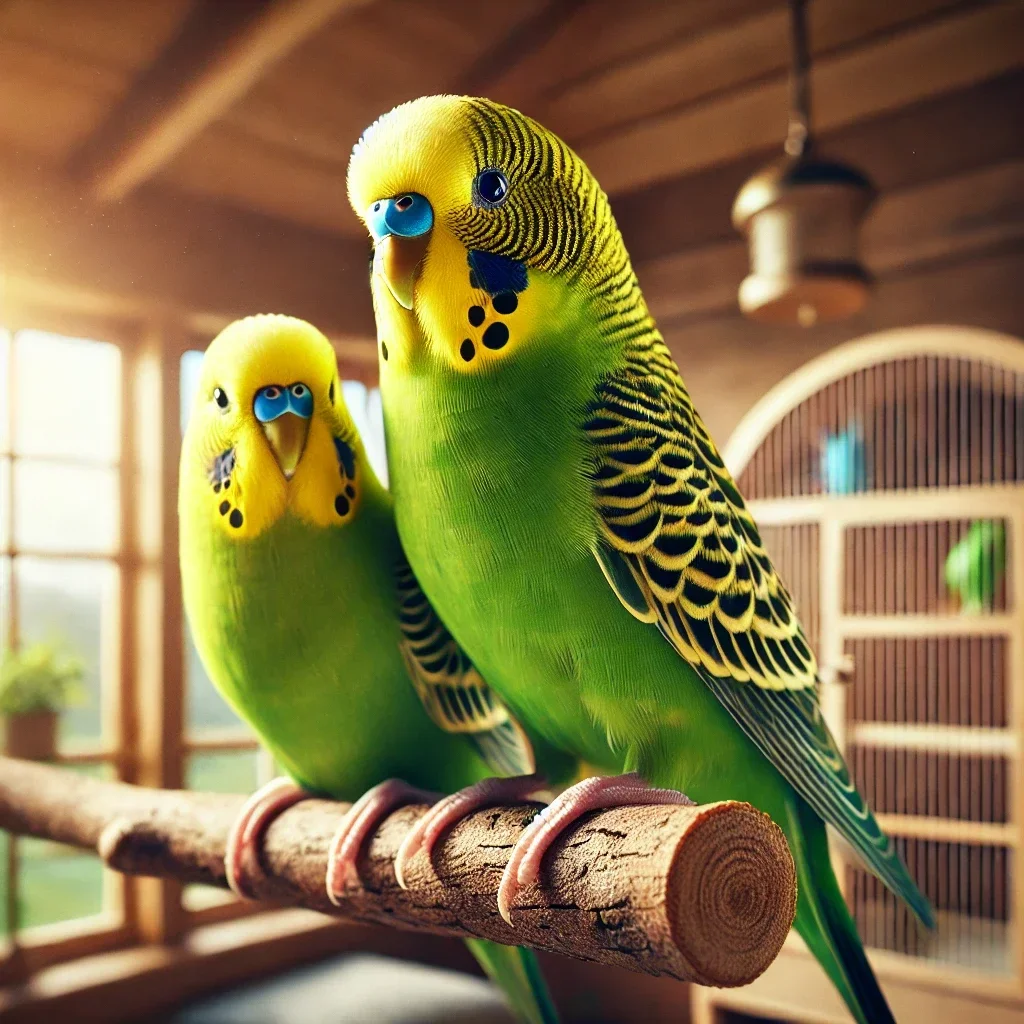
Talking Bird Species: Budgerigar
The budgerigar, commonly called a budgie, is a smaller, yet highly intelligent species that demonstrates remarkable adaptability in language acquisition. With a lifespan of approximately eight to ten years, budgies are known for their playful demeanor and capacity to learn several words and simple songs.
- Space Requirements: Budgies do well in medium-sized cages but still need a safe space for flight loops.
- Health Notes: Maintain a balanced diet, especially for calcium, to prevent keel bone damage.
- Odor Management: Budgies produce a mild odor; proper cage ventilation helps.
- Pros: Budget-friendly, highly interactive.
- Cons: Requires consistent interaction to avoid boredom.
Budgies are widely studied in bird intelligence research, and their capacity to understand context and repetition makes them a favorite among experienced bird keepers. The Budgerigar Wiki page further highlights their adaptability in both social and solitary environments.
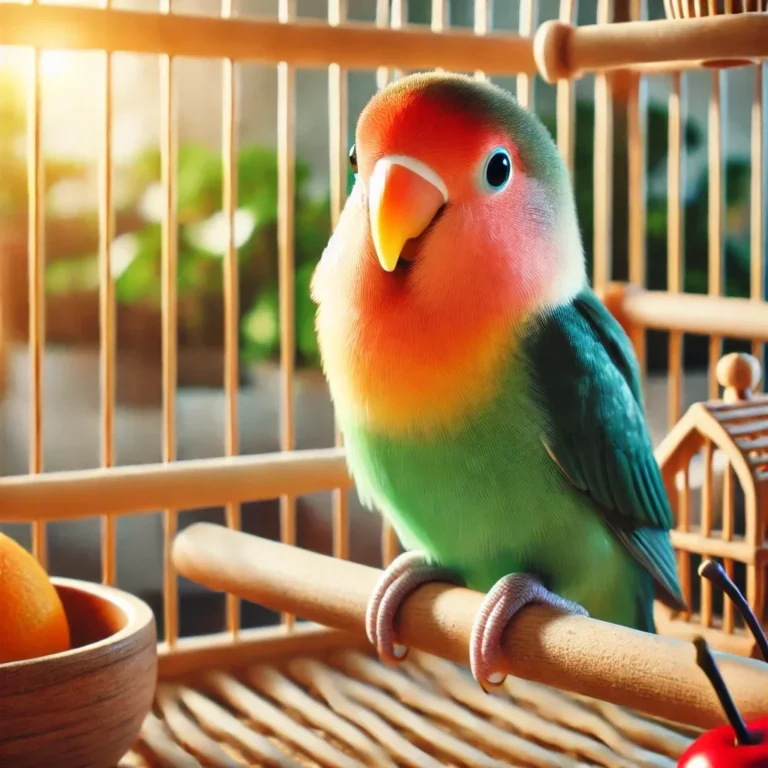
Talking Bird Species: Lovebird
Lovebirds (Agapornis spp.) are renowned for their expressive chatter and affectionate bonding. Their smaller size and robust personalities make them compelling choices for pet owners who enjoy an energetic, highly communicative avian partner. Despite being called “lovebirds”, they can occupy their owners with an impressive array of sounds.
- Physical Care: Ensure they have a perch that encourages perching during both quiet and vocal periods.
- Social Interaction: Pair with another lovebird or provide substantial human interaction to satisfy their strong social instincts.
- Training Challenge: It can take several weeks of consistent exposure to teach them basic words.
- Pros: Compact yet entertaining.
- Cons: Requires paired companionship for optimal health.
Research from Smithsonian Animal Studies illustrates how lovebirds use vocalizations heavily to negotiate social hierarchies—an insight that helps owners reward good communication practices.
Talking Bird Species: African Grey Parrot
Dubbed the “eloquence king” among avian species, African Grey Parrots (Psittacus erithacus) remain the most renowned talking birds for pet owners looking for a high-intelligence, voice-rich companion. These parrots have an extraordinary capacity for learning not only words but also the meaning behind them, making them exceptional conversation partners.
- Learning Curve: They take longer to start speaking, but once they do, they become versatile speakers.
- Space and Stimulation: Provide a large cage, puzzle toys, and regular social sessions to keep their brain engaged.
- Longevity: With proper care, African Gres can live 40 to 50 years, which is a lifetime of chatter.
- Pros: Highly intelligent, articulate, good for experienced owners.
- Cons: Requires in-depth commitment and emotional investment.
Academic research articles, including those from ScienceDirect on avian cognition, confirm that African Greys demonstrate advanced bird communication skills that parallel those of a human child in language acquisition.
Talking Bird Species: Conure
Conures, such as the Sun Conure (Neophema thermalis), are robust, active, and surprisingly talkative. They possess a cheerful nature and frequently use an assortment of whistles and simple words, making them delightful partners for families active in bird handling.
- Activity Level: Very energetic; need daily walks to a safe enclosure.
- Vocal Engagement: They will call to you when isolated; hear their delightful chatter from a distance.
- Dietary Needs: Offer fresh fruit, vegetables, and healthy seeds for good vocal health.
- Pros: Playful, child-friendly.
- Cons: Can develop louder calls as they age.
The Avian Hospital’s Sun Conure page underscores their aptitude for learning new sounds, especially when provided with high-quality training and consistent interaction.
Choosing the Ideal Talking Bird Species for Your Lifestyle
When selecting your next talking bird companion, weigh the following factors: the bird’s social needs, spatial requirements, and lifespan. Generally, smaller species like budgies and lovebirds require less space but demand consistent interaction, while larger species such as African Greys or Conures need more room and can thrive on a richer environmental stimulus library. Consider your daily schedule—if you work long hours, a less interactive species like a budgie may fare better than a more social African Grey.
Additionally, research each species’ bird behavior to anticipate potential challenges. A cockatiel, for example, may become irritable if stressed; an African Grey may develop a complex vocabulary that requires ongoing mental stimulation.
Finally, consult reputable avian veterinarians or breeders to confirm the bird’s health status and breeding history. By following these guidelines, you will not only select a talking bird that fits your lifestyle but also ensure a stable, rewarding companionship for years to come.
Examine the Conversation Potential of Talking Bird Species
Many pet owners wonder if their avian companion will actually talk. The truth is that each species has a distinct propensity for vocal mimicry. While African Greys often utter hundreds of words, cockatiels may limit themselves to a few catchy phrases. Budgies are intermediate, spreading a chorus of chirp-like words, whereas lovebirds are on the smaller side of the spectrum yet are remarkably expressive.
For the best bird‑communication experience, engage in positive reinforcement training throughout the first weeks of ownership. Offer treats, verbal praise, and gentle encouragement when your bird attempts to repeat words. Consistency, patience, and a nurturing approach are the bedrock of successful communication learning.
Take the First Step to a Voiced Companion: Browse our curated listings of reputable, ethically sourced talking birds and find your next friendly chatterbox today. Whether you’re an experienced aviator or a curious beginner, there’s an ideal species waiting for you to start a conversation that will brighten your heart—and home—for years.