Essential Bird Care Tips
Winning the trust of a feathered friend starts with solid, well‑researched bird care fundamentals. Whether you’re picking up a bold parrot or a shy budgie, the right approach will give your bird a happier, longer life. This guide dives into the basics every first‑time bird owner can follow, from selecting the correct species to daily care practices that keep both body and mind healthy.
Essential Bird Care: Choosing the Right Species
Before you even map out a cage, you need to decide which bird best fits your lifestyle. Some species demand more space, specialized diets, and social interaction than others. Here are key factors to weigh:
- Size and Space—Small birds like finches require only a 12‑inch perch, whereas large parrots can stretch up to 2 feet and need a flight area.
- Social Needs—Species such as African grey parrots thrive on companionship; solitary birds like cockatiels are more independent.
- Noise Level—Parrots can shout up to 50 decibels—think of a barbershop—so quiet homes may best suit budgies.
Read more about avian health guidelines for help selecting the perfect bird.
Essential Bird Care: Creating a Healthy Diet
The foundation of a bird’s long, vibrant life is a balanced, species‑appropriate diet. Unlike human foods, a lot of what you offer can be harmful if not tailored to your bird’s biology.
- Seeds & Nuts—Great for quick energy but high fat—use sparingly.
- Pellets—Formulated with necessary micronutrients; a staple for parrots.
- Fresh Fruits & Vegetables—Peas, carrots, kiwi, and leafy greens provide vitamins and fiber; remove seeds from apples or grapes.
Incorporate a variety of colors and textures to stimulate chewing and avoid nutritional gaps. For a deeper dive, check the USDA’s guidelines on bird feed.
Essential Bird Care: Designing a Stimulating Enclosure
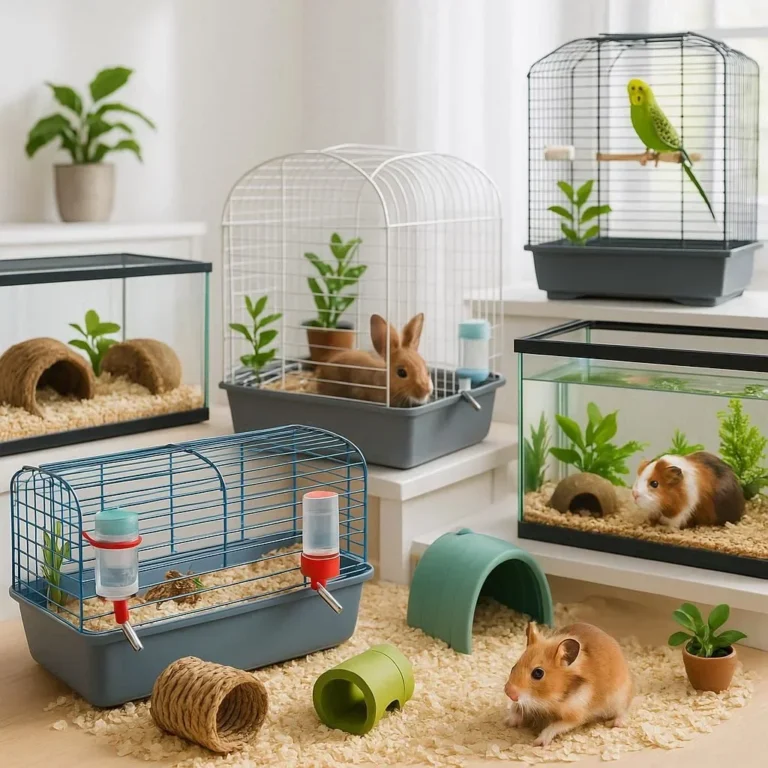
Your bird’s living space is more than a cage—it’s a miniature ecosystem. A thoughtfully designed enclosure fuels physical activity and mental well‑being.
- Branch Variety—Provide natural or high‑quality artificial branches for perching and exercise.
- Water Source—A clean, shallow dish or a dripper for larger species ensures constant hydration.
- Ha^leight to Hide—Inclusion of toys, puzzles, and safe objects—like a cardboard box—promotes curiosity.
- Lighting—LED lights simulate day and night cycles; ultraviolet lighting may be essential for certain species.
The Association of Avian Veterinarians offers a comprehensive enclosure checklist to guarantee every element supports avian health.
Essential Bird Care: Maintaining Mental and Physical Health
Like any pet, birds need routine medical and behavioral attention. Ignoring these signs can lead to long‑term health problems or behavioral issues.
- Regular Vet Visits—Annual check‑ups help spot infections early.
- Wing Clipping—Skillfully trimmed can prevent injury and encourage flight under supervision.
- Behavioral Observations—Signs such as feather plucking or constant screaming may indicate stress.
For evidence‑based care practices, the University of Washington Avian Clinic provides educational resources on behavioral enrichment.
Essential Bird Care: Safety First at Home
Birds are naturally curious and can chew at almost anything—ensure your living space is safe. This includes pet‑proofing windows, removing toxic plants, and securing loose wires. Draft a checklist before bringing your bird indoors.
Consult the U.S. Department of Labor’s pet safety guidelines for detailed safety protocols tailored to pet birds.
Conclusion: Take the Next Step in Loving Bird Care
Committing to quality bird care transforms a simple house‑pet into a devoted companion. From species selection to daily enrichment, intentional actions create a vibrant, healthy life for your avian friend. If you’re ready to start this rewarding journey, equip yourself with the right tools, research, and support—your bird will thank you with a lifetime of joy and chirp.
Schedule a consultation with a licensed avian veterinarian today and give your bird the best start possible.