Essential Bird Care Tips for Beginners
Taking care of a feathered friend can be a rewarding adventure, but it also requires knowledge, patience, and a thoughtful approach to ensure your bird stays healthy and happy. As a beginner, learning the fundamentals of essential bird care tips will help you create a safe environment, provide proper nutrition, monitor health, and address behavior. By following these guidelines, you’ll build a strong foundation for a lifelong bond with your new avian companion.
Setting Up the Ideal Environment
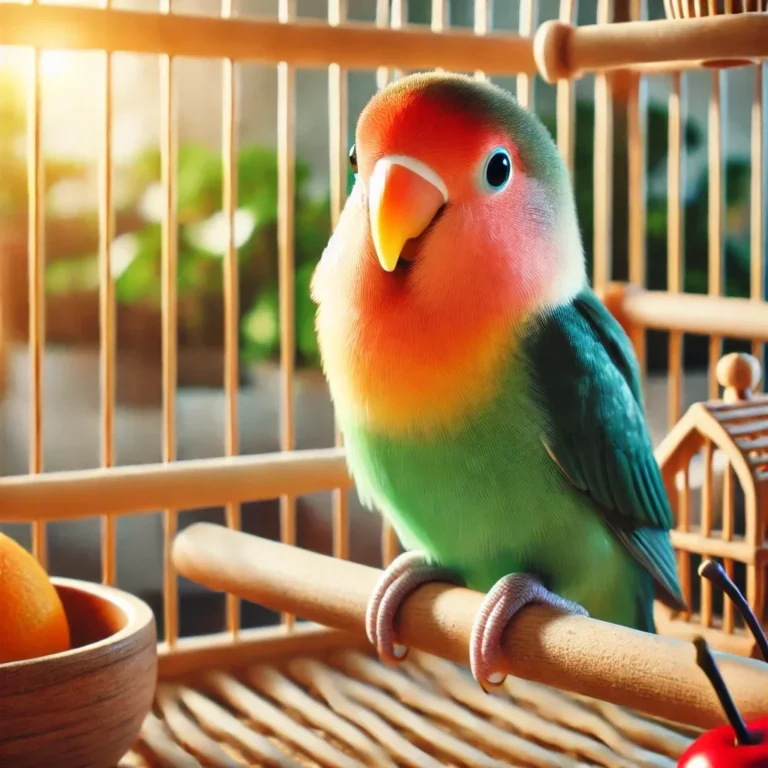
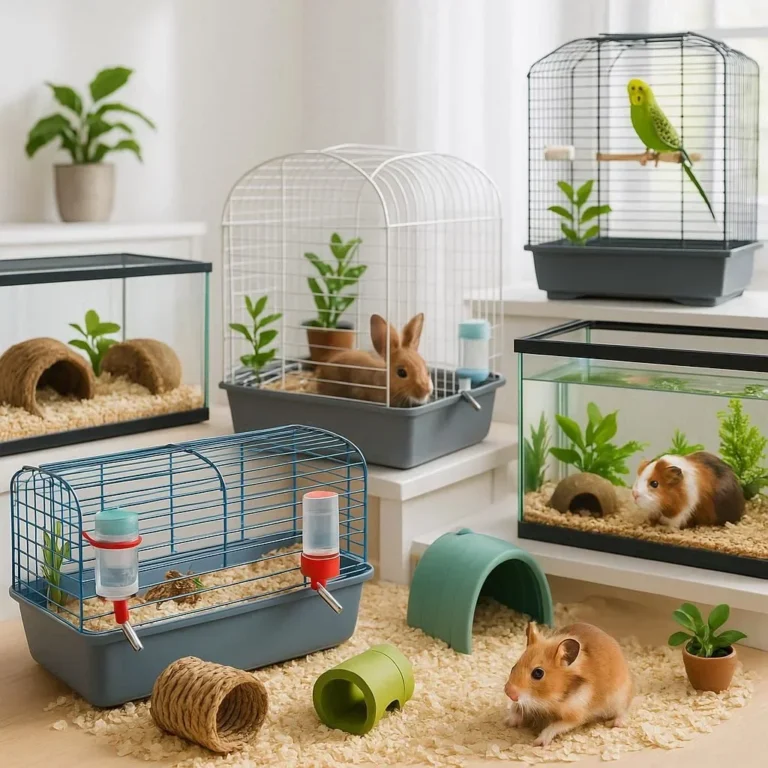
A bird’s home is the first line of defense against stress, disease, and accidental injury. The cage or enclosure should be appropriately sized—at least 2–3 times the bird’s length for an indoor setting and larger for outdoor aviaries. It’s crucial to include ample perches of varying diameters, a shallow dish of water that’s convenient to clean, and a food dish that is stable and easy to refuel. Use non-toxic wood for perches, like untreated pine, and avoid metal that can cause bent nails or exposure to salts and fumes.
Choose a room that maintains a consistent temperature between 65–75°F (18–24°C) and protects the bird from drafts, direct sunlight, and loud household noises. Position the cage away from windows or glass to prevent accidents if the bird becomes startled. Bright, natural light is essential, but provide a UVB source if the bird is exposed to lower light levels, especially for species that require UV radiation for vitamin D metabolism.
Regular cleaning—discern the smallest debris in water and food remnants—helps reduce bacterial growth. Replace cage liners weekly and disinfect surfaces with a mild, bird-safe cleaner. If you keep multiple bird species together, be mindful of species-specific stresses and ensure that each bird has its own space. For more detailed guidance on cage setup, consult the “Bird Care” section on the Avian Centre’s website: Avian Centre.
Nutrition & Feeding Basics
Feeding your bird the right mix of nutrients is a cornerstone of good health. A balanced diet typically includes a high-quality seed or pellet mix, fresh fruits, leafy greens, and occasional protein sources like boiled eggs, cooked lentils, or mealworms. Vary the diet daily to avoid nutrient deficiencies—monotonous feeding can lead to vitamin or mineral scarcities.
- Seed Pellets: Provide the essential fats and proteins.
- Leafy Greens: Spinach, kale, and dandelion greens are high in calcium.
- Fruits: Apples (without seeds), berries, and melons support vitamin C intake.
- Proteins: Cooked beans or insects add amino acids.
- Water: Clean, fresh water daily.
Be sure to avoid toxic foods: avocados, chocolate, caffeine, alcohol, high-salt foods, and onions. Also, limit sugary or processed treats that can cause obesity or dental issues. For a deeper dive into avian diet science, the Wikipedia article on bird biology provides an excellent overview of species-specific nutritional needs.
Health Monitoring and Preventive Care
Routine check‑ins are essential for catching health issues early. Examine your bird’s feathers, eyes, beak, and feet daily. Look for signs of dandruff, excess oiliness, or feather loss; these can signal nutritional deficiencies or skin conditions.
Schedule an annual examination with an avian veterinarian if you observe unusual behavior—such as excessive drooling, coughing, or refusal to eat— or if you’re unsure of a healthcare concern. Many veterinary clinics now specialize in avian medicine; “Avian Medicine” resources on the official Avian Center site can help you find a qualified professional in your area.
Vaccinations are not universally required for all cage birds, but they become essential for birds that travel, stay in multi‑species aviaries, or are prone to infections. Vaccines such as the budgerigar aspergillosis vaccine (BAV) or the avian influenza vaccine can be considered based on risks. Follow guidance from the CDC Avian Flu Center to stay updated on vaccine recommendations and disease outbreaks.
Common Behavioral Issues and How to Address Them
Newly adopted birds may exhibit fear, aggression, or lack of vocalization. Proactive steps can ease these behaviors:
- Socialization: Spend consistent, gentle daily periods near the cage to build trust.
- Environmental Enrichment: Provide perches, swings, and safe chew toys to keep the bird mentally engaged.
- Handling Protocols: Begin with small, slow movements and reward calmness with treats or gentle praise.
- Quiet Time: Dedicated periods of low noise in the house support a calmer environment.
Should your bird develop feather plucking or destructive chewing habits, these may indicate underlying medical or mental distress. A health check and possibly a change in diet or enrichment can often resolve the root cause. In more complex behavioral scenarios, consult an avian behavior specialist or a veterinarian with experience in avian psychology. The ASPCA provides comprehensive resources on feather plucking and stress management: ASPCA Animal Care.
Conclusion: Your Journey as a Bird Owner Begins Here
Mastering the essential bird care tips for beginners lays the groundwork for your bird’s well‑being and for the endless companionship they can offer. By creating a safe environment, feeding a balanced diet, staying vigilant about health, and nurturing positive behavior, you give your feathered friend the best start in life.