How to Keep Cats Warm in Winter: Indoor Safety Tips
Cats look self-sufficient, which is why winter problems are easy to miss. If you have been searching for how to keep cats warm in winter, the safest answer is almost always: a warm indoor room, a choice of beds, fresh water, and a house that does not contain hidden heat traps. A sweater is optional. An engine bay, a space heater and a closed cupboard with a heat source are not.
This is general guidance for indoor and indoor-outdoor cats in India, including winters in the north and milder cool seasons further south. It does not replace veterinary care, especially for kittens, seniors, and cats with kidney, thyroid or heart disease.
Start with the room, not the outfit
Cats seek out warm spots because their comfortable temperature is often higher than ours. Give them that warmth on purpose:
- Place a padded bed or folded quilt in a draught-free corner, off cold tiled floors. A cardboard box lined with a blanket is enough for many cats.
- Offer more than one sleeping spot, including a slightly raised one. Cats prefer to choose.
- Close off unused, unheated rooms at night if the rest of the house is warmer.
- If you use a room heater, keep it stable, guarded, and well away from curtains, tails and beds. Never leave a cheap radiant heater running in a room where a cat can knock it over.
Hot water bottles and human electric blankets can burn skin. If you want a heated bed, buy one sold for pets, with a chew-resistant cord and an automatic shut-off, and still give the cat a way to move off it.
The car-engine and “warm machine” risk
In cold weather, outdoor and indoor-outdoor cats may crawl into a warm car engine bay, or under a scooter cover, after a drive. Starting the engine can cause devastating injuries. This is a documented winter risk in cold countries and in Indian hill towns and north-Indian mornings.
If cats have access to a parking area, bang the bonnet and walk around the car before starting it. Keep the parking area less inviting: close the garage if you can, and do not leave a recently driven vehicle as the only warm shelter. A dedicated outdoor kennel or a warm indoor night routine is far safer.
Do cats need sweaters?
Most cats do not. A coat can stress a cat, mat the fur, and interfere with grooming and toileting. Exceptions are sometimes made for hairless breeds, very thin seniors, or cats recovering from a shave at the vet — and only if the cat tolerates the garment and is supervised. If your cat already has a dense coat, a sweater is more likely to cause overheating indoors than to help.
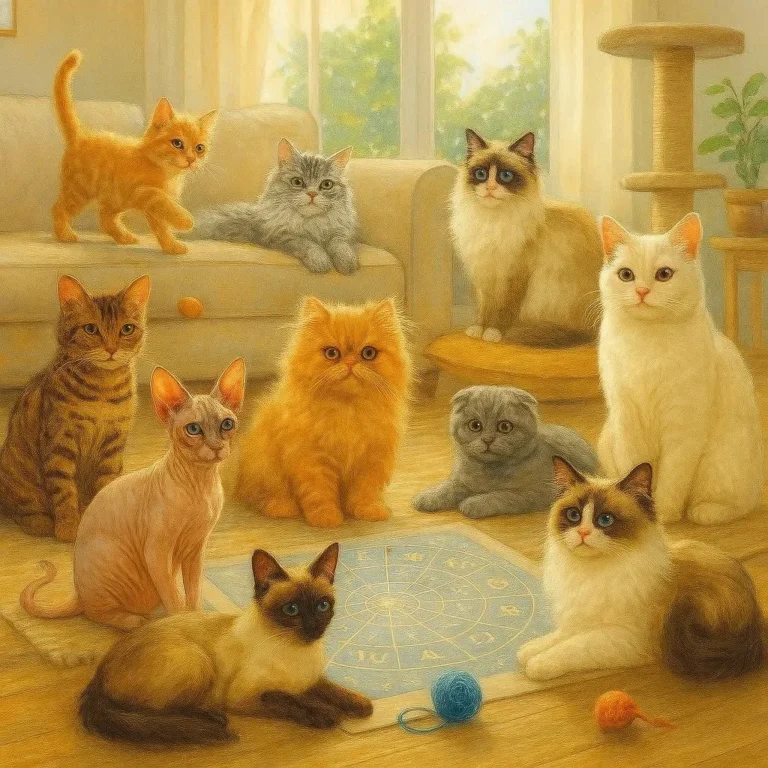
Breed can matter for outdoor time: some long-coated or cold-adapted cats cope better with chilly balconies than a thin tropical shorthair. That is about coat and body condition, not about leaving any cat out all night. If you are choosing a companion for a cold city, our older overview of cat breeds often discussed for colder climates is about matching coat and lifestyle, not about keeping a cat outdoors in winter.
Water, food and dry winter skin
Indoor air is drier in winter, and some cats drink less if the water bowl is in a cold corridor. Keep fresh water in the warm part of the house, and wash bowls daily. Wet food can add moisture for cats who drink poorly, but any diet change should be gradual and vet-approved if the cat has urinary or kidney disease.
Indoor cats rarely need a large winter calorie increase. Overweight cats have a harder time grooming and are more prone to other health problems. Kittens and very thin cats may need closer feeding; ask your vet rather than free-feeding “just in case.”
Dry, flaky skin and a duller coat are common. Brush regularly to distribute natural oils. Bathe only if your vet or a genuine hygiene problem requires it — many cats are miserable in water, and our guide to bathing a cat without stress is there if you truly have to. Persistent itching, bald patches or greasy skin need a vet exam, not only a change of shampoo.
Festive plants, heaters and other hidden hazards
Winter in Indian homes often means guests, decorations and a room heater. Cats will investigate all three.
- Lilies, including many bouquet lilies, are highly toxic to cats even in small amounts of pollen or water. Keep them out of the house. See our list of common houseplants that are toxic to cats.
- Tinsel, ribbons and needles from decorative plants can cause dangerous intestinal blockages if swallowed.
- Antifreeze (ethylene glycol) is extremely poisonous to cats. Store it sealed and wipe driveway spills.
- Essential-oil diffusers, mothballs and some floor cleaners can also be harmful; when in doubt, keep them out of rooms the cat uses.
Indoor-outdoor cats: a winter routine
If your cat currently goes out, consider a dusk-to-dawn indoor rule in the coldest weeks, especially for kittens, seniors and short-coated cats. Provide a litter box, scratching post and play indoors so the change is not only a closed door. Microchipping and a breakaway collar with a tag still matter if a cat does slip out on a foggy morning.
A new kitten arriving in winter needs a single warm room, a litter tray, and a slow introduction to the house. Our first-week kitten checklist covers that first week in detail.
When to see a veterinarian
Contact a vet promptly if a cat is lethargic, unusually cold to the touch, breathing hard, hiding for long periods, not eating, or has been missing and returns wobbly or injured. Older cats with arthritis often move less in winter; they still need a chance to reach food, water and a litter box without jumping onto a cold, high surface.
Frequently asked questions
How can I keep my cat warm at night in winter?
Give a draught-free indoor room, a padded bed off the floor, and optional covered hides. Keep heaters stable and guarded. Avoid human electric blankets and closed boxes placed against hot appliances.
My cat loves the balcony. Is that enough fresh air?
A safe, enclosed balcony can be fine in mild weather if the cat cannot jump or fall, and if the floor is not icy. In a north-Indian night frost, bring the cat in. Wind plus height is a risk even for confident climbers.
Is a sweater a good gift for a cat?
Usually no. Most cats find clothes stressful. If a vet has recommended a coat for a hairless or recently shaved cat, choose a loose, easy-off garment and supervise.
Why is my cat drinking less in winter?
The bowl may be in a cold spot, or the water may taste stale. Move bowls to a warm room, refresh water often, and ask your vet if appetite or urination has also changed — kidney and urinary problems should not be blamed on weather alone.
Can indoor cats get hypothermia?
It is uncommon in a normally heated home, but possible in an unused room, a power cut, or after a cat is accidentally shut on a balcony or in a car. Warm the cat gradually and seek veterinary care if they are limp, confused or very cold.
General education only. If you suspect poisoning, trauma, or hypothermia, contact a veterinarian immediately. Winter hazards described here follow standard veterinary public-education themes (engine bays, antifreeze, heaters, toxic plants) applied to Indian homes.