Plants Toxic to Cats: Common Houseplants to Avoid
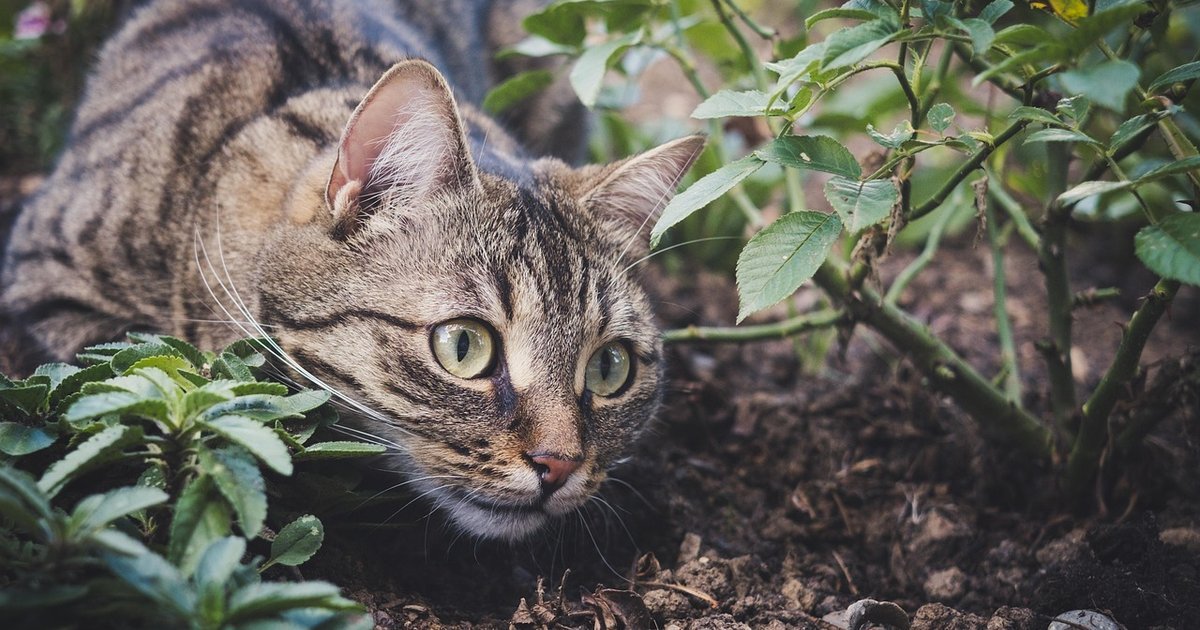
Houseplants make a home feel fresh and calm, but many popular plants are harmful to cats. Cats are curious, love to chew leaves and often brush against flowers, then groom pollen off their fur. Some plants cause only mild mouth irritation, while others can be life-threatening. If you share your home with a cat, it is worth checking every plant you own and every bouquet you bring in.
Why Cats Chew Plants
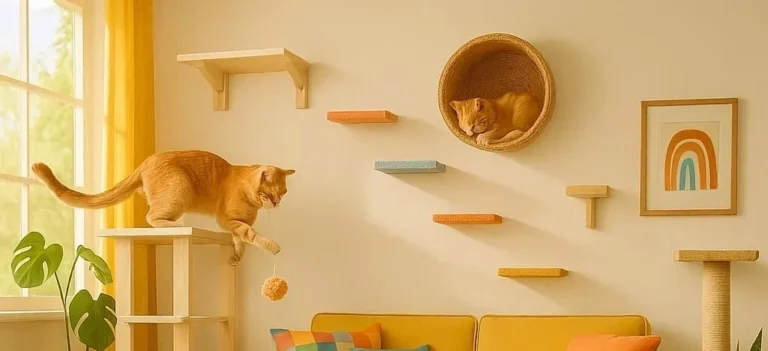
Cats chew plants for several reasons: curiosity, boredom, the texture of moving leaves, and possibly to help bring up hairballs. Indoor cats with little to do are especially likely to nibble greenery. Providing safe alternatives, such as cat grass, and plenty of play helps reduce the temptation. Our list of indoor cat enrichment ideas can help keep curious cats busy.
The Most Dangerous Plants for Cats
Lilies
True lilies (the Lilium family) and daylilies (Hemerocallis) are extremely dangerous to cats. Eating a small part of a leaf or petal, licking pollen from the fur or even drinking water from the vase can cause sudden kidney failure. If you have a cat, it is safest not to bring these lilies into your home at all, including in bouquets.
Sago Palm
All parts of the sago palm, especially the seeds, contain toxins that can cause severe liver damage. It is a common ornamental plant in gardens and balconies.
Oleander
Oleander is a hardy flowering shrub often seen on roadsides and in gardens. All parts are toxic and can affect the heart.
Common Houseplants That Irritate the Mouth and Stomach
Several popular indoor plants contain insoluble calcium oxalate crystals. When chewed, they cause intense mouth pain, drooling, pawing at the face, vomiting and sometimes swelling. These include:
- Pothos (money plant) – one of the most common indoor plants in Indian homes.
- Dieffenbachia (dumb cane).
- Philodendron.
- Peace lily – despite its name, it is not a true lily, but it still causes mouth irritation.
- Monstera (Swiss cheese plant).
- Calla lily and arum plants.
Other Plants Worth Keeping Away From Cats
- Aloe vera can cause vomiting and diarrhoea in cats.
- Jade plant may cause vomiting and lethargy.
- Snake plant can cause stomach upset.
- Tulips and daffodils, especially the bulbs.
- Azaleas and rhododendrons, which can affect the heart and nervous system.
- Chrysanthemums, which can cause drooling, vomiting and skin irritation.
This list is not complete. Before buying a new plant, check its safety with your vet or a reliable pet poison resource.
Warning Signs of Plant Poisoning
Contact your vet immediately if your cat has chewed a plant and you notice:
- Drooling, pawing at the mouth or difficulty swallowing.
- Vomiting or diarrhoea.
- Lethargy, hiding or loss of appetite.
- Changes in urination – peeing much more, much less or not at all.
- Wobbliness, tremors or seizures.
- Breathing difficulties.
With lily exposure, a cat may seem fine at first. Early veterinary treatment greatly improves the chances of recovery, so do not wait for signs to appear.
What to Do in an Emergency
- Gently remove any plant material from your cat’s mouth and fur.
- Identify the plant, or take a photo or sample with you to the vet.
- Call your vet or emergency clinic straight away.
- Do not try to make your cat vomit unless a vet instructs you to.
Cat-Safe Plants You Can Enjoy
You can still have a green home. Many plants are generally considered non-toxic to cats, including:
- Spider plant.
- Areca palm and parlour palm.
- Boston fern.
- Calathea and prayer plant.
- African violet.
- Cat grass (wheatgrass or oat grass) and catnip.
Even safe plants can cause mild stomach upset if a cat eats a lot of them, so discourage heavy chewing and watch for changes.
Tips for a Cat-Friendly Plant Home
- Place plants on high shelves or in hanging baskets that cats cannot reach.
- Use room dividers or closed rooms for plants you are not sure about.
- Cover soil with large stones to stop digging.
- Offer a pot of cat grass as a legal chewing option.
- Check gifts and bouquets before bringing them inside.
Balconies, Gardens and Pooja Flowers
Many cats in apartments spend time on balconies, where potted plants and climbers often grow. Check balcony plants as carefully as indoor ones, and secure the balcony with netting so your cat cannot fall. Flowers used for prayers and decorations, such as chrysanthemums and lilies, can also pose a risk if left within reach. Dispose of used garlands and offerings where your cat cannot nibble them. For more on keeping an apartment cat safe and happy, see our guide to apartment-friendly cat breeds.
Cut Flowers and Festive Bouquets
Bouquets are a hidden risk because they often mix several kinds of flowers, and florists may add lilies without mentioning it. When you receive flowers, check every stem before placing the vase anywhere in the house. If you are unsure of a flower’s name, use a photo to identify it with your florist or vet. Keep vases in a room your cat cannot enter.
FAQ
Is money plant (pothos) poisonous to cats?
Yes. Pothos contains calcium oxalate crystals that can cause mouth pain, drooling and vomiting. It is best kept out of reach.
Are all lilies dangerous to cats?
True lilies and daylilies are extremely dangerous and can cause kidney failure. Other “lilies” such as peace lily cause mouth irritation rather than kidney damage, but should still be avoided.
Can cats eat cat grass safely?
Cat grass is generally safe and many cats enjoy it. Offer it in moderation as a safe alternative to houseplants.
What should I do if my cat ate a plant leaf?
Identify the plant and call your vet straight away, especially if it might be a lily or if your cat shows any symptoms.