Best Cats for Cold Climate
Best Cats for Cold Climate is an essential guide for pet lovers who live in regions with harsh winters. Understanding the unique challenges that low temperatures pose for feline companions can help you choose a breed that thrives in chilly weather while keeping your cat safe, healthy, and comfortable. From dense coats to active temperaments, we’ll explore the top breeds, practical care tips, and key considerations that will enable you to keep your indoor or outdoor cat at ease all winter long.
Why Weather‑Appropriate Breeds Matter
Cold climates expose cats to risks such as hypothermia, paw injuries, and increased energy consumption for body heat. Unlike dogs, many cats are instinctively indifferent to cold; they may seek warmth, but their natural insulation can be inadequate if they lack proper fur or are predisposed to health issues. Choosing a breed adapted to low temperatures is the first step to safeguarding a cat’s wellbeing. It also reduces the need for costly winter gear and mitigates the temptation to permit unsafe outdoor excursions.
Top Cats for Cold Environments
Below is a curated list of breeds that naturally perform well in cool and snowy conditions. Each entry highlights key traits such as coat density, activity levels, and typical weight, which aid in determining suitability for your lifestyle.
- Norwegian Forest Cat – Historically evolved in Norway’s frigid climate, this breed boasts a triple‑layered coat that defends against wind, rain, and snow. Their robust build and bushy tail provide extra warmth while high activity levels keep them engaged indoors. Learn more.
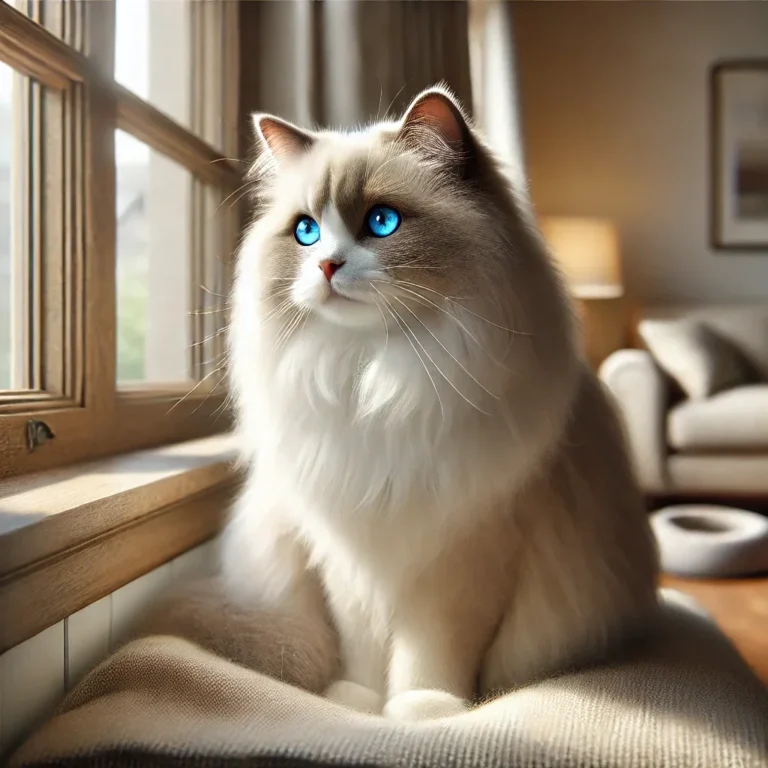
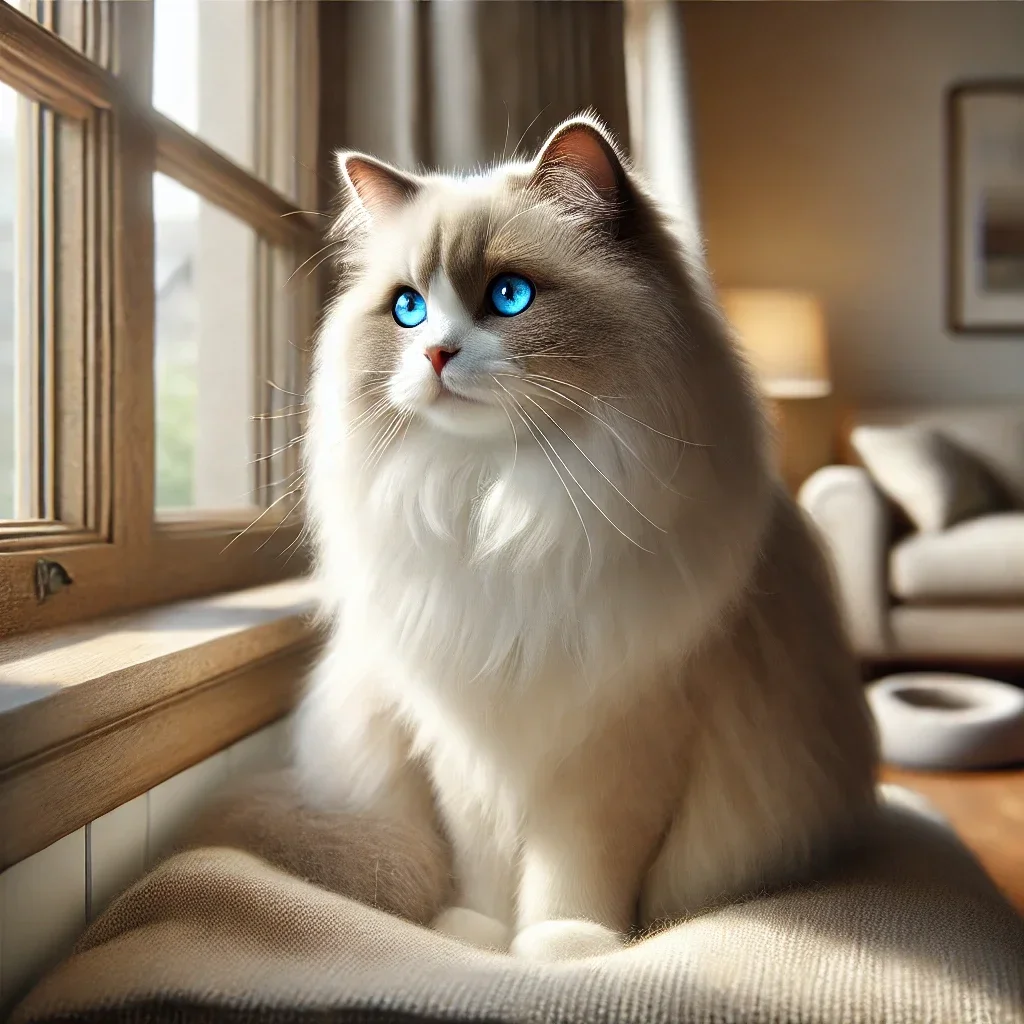
- Ragdoll – With semi‑long, silky fur and a calm disposition, Ragdolls guard against cold while making excellent indoor companions. Their broad bodies and thick coats retain heat efficiently, and they thrive in families who enjoy affectionate bonding. Read about Ragdolls.
- Maine Coon – One of the largest domestic cat breeds, the Maine Coon’s lavish, water‑repellent coat and padded paws are ideal for snowy landscapes. They are naturally hardy and enjoy playful outdoor exploration when supervised. Scottish Coon details.
- Siberian – Originating from Siberia’s sub‑arctic climate, this breed features a triple coat that’s resistant to weather extremes. Their muscular frame and short‑to‑medium activity make them perfect indoor companions who cherish a cozy spot near a window. Discover Siberians.
- Scottish Fold – Known for their distinctive ear folds, Scottish Folds have dense fur and a subdued temperament suited to damp, cold regions. They adapt well indoors and demonstrate gentle affection toward owners. Scottish Fold info.
Grooming and Care Tips for Winter‑Ready Cats
Even the best‑bred cats benefit from thoughtful winter care. Proper grooming helps maintain coat health, reduces shedding, and prevents insulation from becoming a storage trap for matting.
- Regular Brushing – Brush your cat 2‑3 times per week to remove loose hair and keep the coat slippery, enabling it to repel moisture.
- Check for Paw Damage – Snow and ice can fracture a cat’s paw pads. Dry each paw thoroughly and consider a soft, breathable collar if you’ll allow brief outdoor strolls.
- Use Warm Bedding – Provide insulated bedding—a heated cat mat or a small heated enclosure—to create a constant micro‑climate.
- Nutrition Boost – Increase caloric intake by 10‑15% during winter to compensate for additional energy required for thermoregulation. AVMA nutrition guidance.
- Limit Outdoor Time – Reduce exposure to cold by utilizing indoor play structures and timed, supervised outdoor windows, ensuring safe returns before nightfall.
Indoor vs. Outdoor Considerations
While “cold‑climate breeds” are built for outdoor resilience, the majority of cats in chilly regions thrive best indoors. Indoor environments provide regulated temperatures, disease control, and consistent companionship. However, if you choose to let your cat explore, use these guidelines:
- Install secure, wind‑proof cat doors.
- Provide a sheltered, draft‑free outdoor space.
- Use a warm, padded harness for outdoor walks.
- Never leave cats unattended outside in extreme conditions.
Choosing the Right Cat for Your Life
When selecting a breed, weigh research-backed factors such as coat thickness, temperament, and energy level against your living situation. For small apartments with limited outdoor space, a Maine Coon or Ragdoll can deliver the joy of a thick fur coat without the roaming tendencies of some mountain breeds. Conversely, if you have a secure, insulated garden, a Norwegian Forest Cat’s outdoor prowess will be a delight.
Conclusion and Call to Action
Choosing a cat that naturally withstands cold climates is a wise step toward ensuring a healthy, happy feline companion during winter months. Use this guide to assess breeds, manage grooming, and adopt best practices for indoor or outdoor care. Whether you’re selecting a new pet or preparing for the next snowy season, remembering that Best Cats for Cold Climate values a robust coat, balanced temperament, and proactive care will move you toward a fur‑friendly, year‑round home.
Ready to bring warmth and companionship into your home? Browse reputable rescue programs, consult with a vet specializing in feline winter health, or drop by your local shelter to meet one of the breeds highlighted above. Giving a cold‑climate compatible cat a loving environment is not just an investment in their health—it’s an investment in your shared life. Discover rescue options today!
Frequently Asked Questions
Q1. What traits make a cat good for cold climates?
Breeds with dense triple‑layered coats, substantial body mass, and water‑resistant fur naturally maintain body heat. Their instinct to hunt and play generates internal warmth, while a robust lifestyle helps stave off hypothermia. Smaller breeds or those with sparse coats may still struggle unless they are kept indoors throughout cold snaps.
Q2. Do I need winter clothing for my cat?
Most domestic cats do not require coats; their fur is usually sufficient. However, cats that roam in very low temperatures or have thin coats can benefit from a lightweight, breathable sweater or a protective harness during short outdoor visits.
Q3. How can I protect my cat’s paws from snow and ice?
Trim your cat’s nails regularly to prevent cracks and keep pads dusted. Check for ice buildup after walks and dry the paws thoroughly. A mild paw balm can also shield the pads from moisture and abrasions.
Q4. Should I let my cat outdoors during winter?
Outdoor play can be safe if you provide wind‑proof shelter, a secure cat door, and a soft harness. Always monitor the temperature and avoid leaving cats unattended when temperatures drop below freezing.
Q5. What nutrition adjustments should I make for winter?
Increase caloric intake by about 10–15 % to cover the extra energy used for thermoregulation. Focus on high‑quality protein and fat, and ensure fresh water is always available to counter dry indoor air.