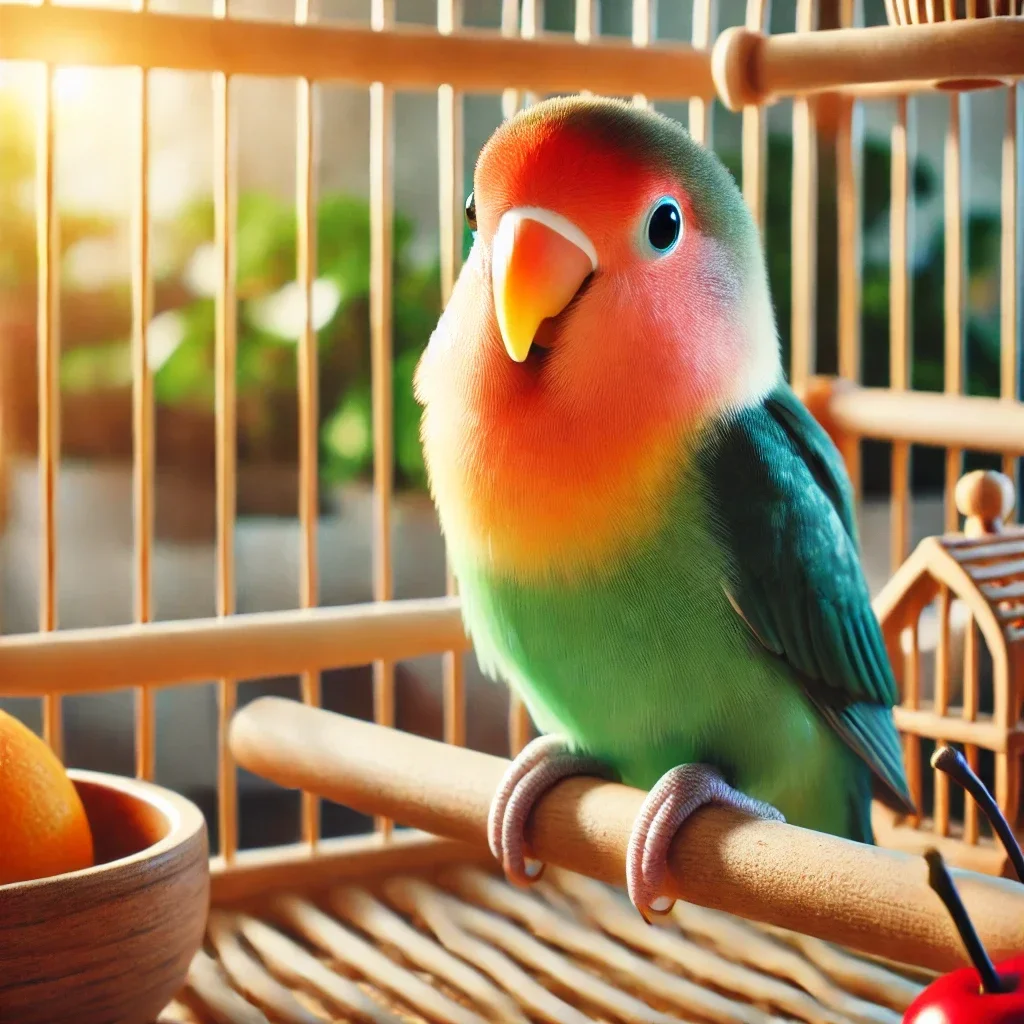
Create the Perfect Bird Habitat
Designing a thriving Bird Habitat is both an art and a science that transforms ordinary yards into sanctuaries for feathered friends. Whether you’re a seasoned backyard aviary enthusiast or just starting out, a thoughtfully planned Bird Habitat can increase local biodiversity, provide natural pest control, and give you a live‑action view of nature’s drama right at your doorstep.
Bird Habitat: Selecting the Right Location
Choosing a suitable spot is the cornerstone of a successful Bird Habitat. Begin by assessing the micro‑climate of your yard—shade, wind exposure, and proximity to native wetlands all influence bird presence. According to the Wikipedia entry on Bird Habitat, areas with a mix of open space and dense cover typically attract the largest variety of species.
Use the U.S. Fish & Wildlife Service habitat‑conservation guide to score potential sites on:
- Sunlight: 4–6 hours of morning sun is ideal.
- Wind protection: natural windbreaks like shrubs or hedgerows reduce stress for nesting birds.
- Water proximity: being within 30 m of a natural or artificial water source encourages diverse birdlife.
- Existing vegetation: dense native shrubs double as nesting sites for warblers and chickadees.
Mark the best zone with a temporary flag and keep it clear of heavy foot traffic during the building phase.
Bird Habitat: Choosing Native Plants
Native flora not only thrive with minimal care but also provide the food and shelter native birds rely upon. Native plants are adapted to local soil, climate, and wildlife needs, reducing the risk of invasive competition. The USDA Natural Resources Conservation Service lists a variety of tree, shrub, and herb species ideal for bird gardens.
Start with a diverse plant palette:
- Dawn trials: oak (Quercus spp.), hawthorn, and red maple offer acorns and fruit for woodpeckers.
- Shrubs: evergreen holly, native thyme, and dogwood create year‑round niches.
- Ground cover: clover, wild geranium, and asters provide insects for insectivores.
When planning your layout, stagger plant heights so that both ground‑dwelling and canopy dwellers have ample nesting sites.
Bird Habitat: Providing Water and Shelter
Water is a universal attractant. Small ponds, birdbaths, or even shallow dishes can become focal points for a wide variety of waterbirds, owls, and even mammals that share the habitat with your feathered guests. The Audubon Society’s Habitat section recommends anchored, shallow birdbaths with smooth edges, supplemented by a discreet fountain or dripping feeder to reduce stagnation and mosquito breeding.
For shelter, nest boxes are a proven strategy to encourage species such as bluebirds and chickadees. Ensure boxes are:
- Hoisted 2–4 m above the ground.
- Made from untreated cedar or pine.
- Fitted with an entrance size appropriate to the target species (e.g., 28 mm for bluebirds).
A small, strategically placed burrow or natural cavity will entice woodpeckers. If your yard includes an existing porch or log, leave a natural cavity filled with native debris for use.
Bird Habitat: Installing Feeders and Perches
Feeders can draw a steady stream of visitors, but tabled offerings must be coupled with responsible maintenance to avoid attracting unwanted pests. Choose feeders that are:
- Sealed against squirrels.
- Equipped with perches that are spacious enough for small and medium birds.
- Made from durable, weather‑proof material.
Grains such as sunflower seeds, millet, and nyjer replenish natural food sources without overwhelming the system. Make sure to clean feeders at least once a week, especially during extreme heat, to prevent mold and pathogen spread. Provide a continuous supply of clean, fresh water through a small fountain or a glazed birdbath accessible to all species.
Perches offer birds a place to rest and survey their territory. Planting native trees with thick branches or adding a simple wooden log stretched across small branches can create “perching nodes.” When selecting perching materials, avoid smooth or chemically treated surfaces that could cause feather damage.
Take action now—design your sanctuary and open your yard to an eco‑luxury of birds. By integrating native plants, water, and thoughtful feeding stations, you’ll create an irreplaceable habitat that enriches our local ecosystem and provides you with endless moments of wonder.
Frequently Asked Questions
Q1. Where should I choose a location for my bird habitat?
A good location balances sunlight, shelter, and water. Look for 4–6 hours of morning sun, natural windbreaks, and proximity to a pond or stream. Native shrubs and trees should already exist nearby for immediate cover. Mark the chosen spot and keep it clear during construction to avoid disturbing wildlife.
Q2. How do native plants benefit birds?
Native plants provide the exact food and shelter birds need in their region. They produce fruit, seeds, and insects that are tailored to local species. Their root systems also support soil health and water retention, creating a resilient habitat that requires little maintenance.
Q3. What type of water feature attracts the most birds?
Shallow, anchored birdbaths with smooth edges are ideal. They allow birds to drink and bathe comfortably while reducing mosquito breeding. Adding a small fountain or dripping feeder helps keep the water fresh and encourages a wider variety of species.
Q4. How should I space nest boxes?
Place nest boxes 2–4 m above the ground and at least 4–5 m apart from each other. This spacing reduces competition and allows different species to coexist. Position them in shaded areas with a treetop or shrub nearby for cover.
Q5. What are the best seeds for a feeder?
Mix sunflower seeds, millet, and nyjer to attract a broad range of birds. Use seed blends that compensate for seasonal shifts. Keep feeders clean weekly and refill them with fresh seed to maintain bird health.