Safe Home for Small Pets
Creating a secure, enriching living space is essential for any small pet owner, whether you’re caring for a terrarium‑dwelling reptile, a playful rabbit, or an inquisitive guinea pig. Small pets have specialized needs—tight spaces, temperature control, and enrichment—that differ from those of larger animals. By following a structured approach, you can keep harmful toxins, dangers of escape, and stress at bay, ensuring your furry or scaly companion thrives. This guide outlines the core components of a safe home for small pets, including enclosure design, environmental enrichment, food safety, and routine health monitoring.
Choosing the Right Enclosure
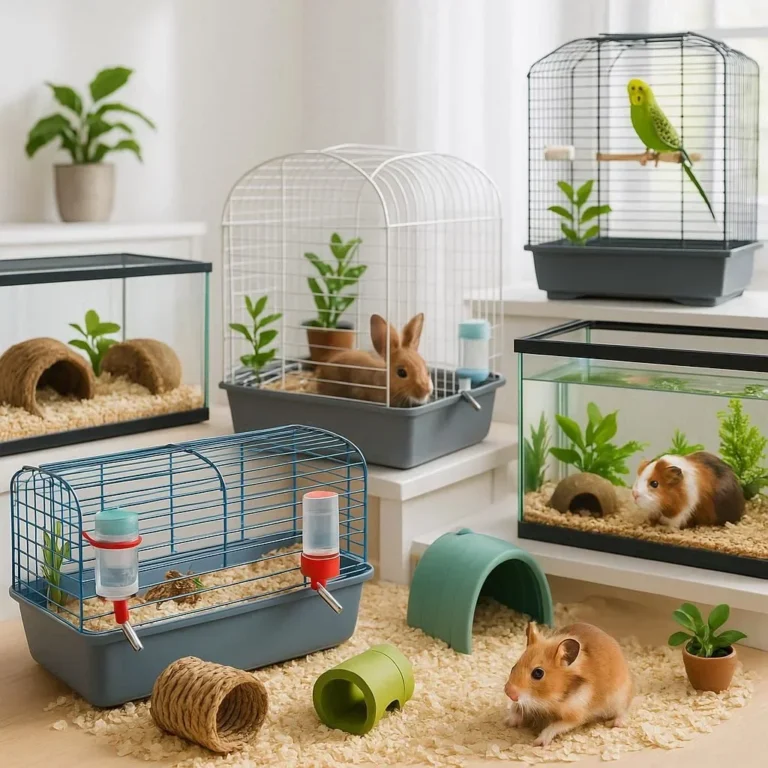
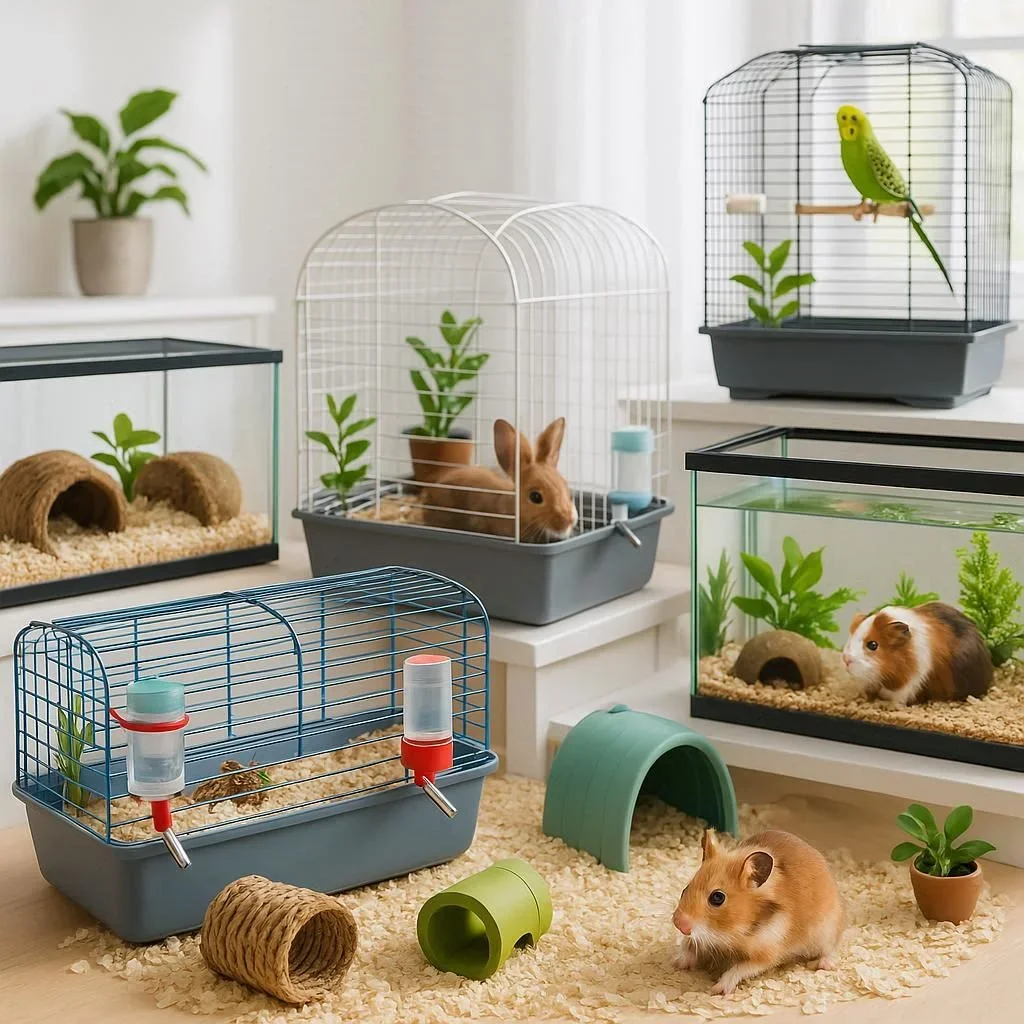
When selecting a cage or terrarium, prioritize secure latching mechanisms and adequate ventilation Wikipedia. The enclosure should be spacious enough for daily activity yet compact to reduce overheating. For rodents, a minimum of 10 sq‑inches per hamster or 20 sq‑inches per guinea pig is recommended. Reptiles require terrariums with controlled humidity and temperature gradients; use a thermometer and hygrometer to monitor conditions.
Key features for safety:
- Secure Latches: Ensure each door locks tightly to prevent accidental escape.
- Ventilation: Adequate airflow prevents mold and maintains oxygen levels.
- Material Safety: Use food‑grade materials and avoid lead‑based paint or toxic plastics AVMA.
- Dust‑Free Flooring: Opt for non‑porous surfaces to reduce inhalation risks for airborne allergens.
Busting Common Household Toxins
Many everyday items can be lethal to small pets. Common hazards include:
- Mouse and rat poison: chronic ingestion can kill within days.
- Oils, solvents, and paints: fumes may cause respiratory distress.
- Houseplants such as philodendrons and pothos: contain insoluble calcium oxalates harmful if chewed.
- Small batteries: ingestion causes severe intestinal blockages.
- Lamps and lights: some contain mercury.
Always store chemicals and hazardous substances out of reach, and check labels for animal‑safety warnings. If you suspect exposure, contact your local veterinary clinic or the CDC’s Animal Poison Control and act immediately.
Daily Enrichment and Exercise
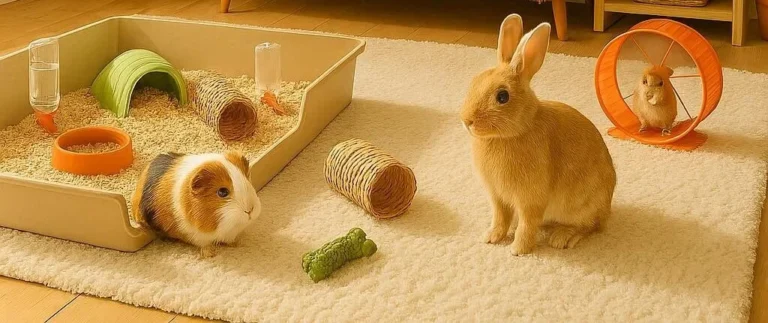
Proper stimulation prevents boredom‑induced behaviors like chewing or over‑attacking accessories. Incorporate a variety of safe, cleaned objects: buried puzzle toys, natural fiber gnawing sticks, and rotating escape‑proof tunnels. For species such as gerbils or chinchillas, provide a scratching post that matches their natural digging instincts. Environmental enrichment also boosts overall health by encouraging activity, thus reducing obesity risks that affect tiny mammals.
Include a small, shallow water dish marked with a very shallow level to prevent drowning. If you keep fish or amphibians, verify that the water is dechlorinated and free of harmful chemicals; the minimum recommended water temperature for African dwarf fish is 22°C.
Nutrition and Feeding Safety
Small pets often have highly specific dietary requirements. Use fresh, wholesomely sourced food: fresh greens for rabbits and guinea pigs, balanced dry foods for rodents, and specialized diets for reptiles. Avoid foods that are toxic: avocados, chocolate, onions, and ginseng. Puppies, for instance, are especially prone to choking on leaves. Consult a veterinarian or the Pet Feeding Alliance for species‑specific guidelines.
Always keep fresh water available. Use stainless steel water bottles to avoid plastic additives, and replace filter media weekly. Check water temperature if you house a pet that is sensitive to heat or cold. Use a low‑profile bowl for ferrets or hamsters to prevent them from tip‑toeing over.
Regular Health Checkups
Routine vet visits are crucial. Start with a baseline exam, then schedule follow‑ups every 6–12 months depending on the species. Small pets can develop health problems subtly: a sudden weight loss, changes in behavior, or unusual shedding may signal underlying issues. Discuss preventive care such as flea and tick control or vaccinations, particularly for exotic pets like sugar gliders that require a specific rabies schedule.
Maintain a health log in a small notebook or digital app—note feeding schedule, water intake, temperature logs, and any observed changes. Early detection of distress reduces the risk of the pet becoming a medical emergency.
Safety‑First Conclusion
Secure enclosures, toxin avoidance, enrichment, proper nutrition, and routine vet care lay the foundation for a healthy, safe home for small pets. By implementing these measures, you empower your tiny companions to flourish safely and happily, protected from common hazards and with ample opportunities for natural behaviors. That’s the path toward a truly Safe Home for Small Pets—and a devoted, thriving friendship.