Cats That Love Human Company Guide
Cats that love human company bring warmth, comfort, and companionship into our everyday lives. While many people think of cats as solitary or aloof, a wide range of feline varieties thrive on human interaction, forming strong bonds and sharing affection in ways that deeply enrich their owners’ lives. Whether you’re looking to add a new furry friend or simply want to understand your own cat’s social needs better, this guide dives into the science, personality traits, and practical strategies that make certain cats truly love human company.
The Science Behind Cat Affection
Recent studies in animal behavior science have clarified why some cats are innately sociable. Researchers at Nature found that genetic factors influence cortisol levels and oxytocin receptor expression, which in turn affect a cat’s inclination towards social interaction. Lower cortisol naturally correlates with a calmer disposition, while higher oxytocin levels are associated with increased bonding behaviors (see AVMA Cat Care Guide for practical tips on encouraging healthy cortisol regulation).
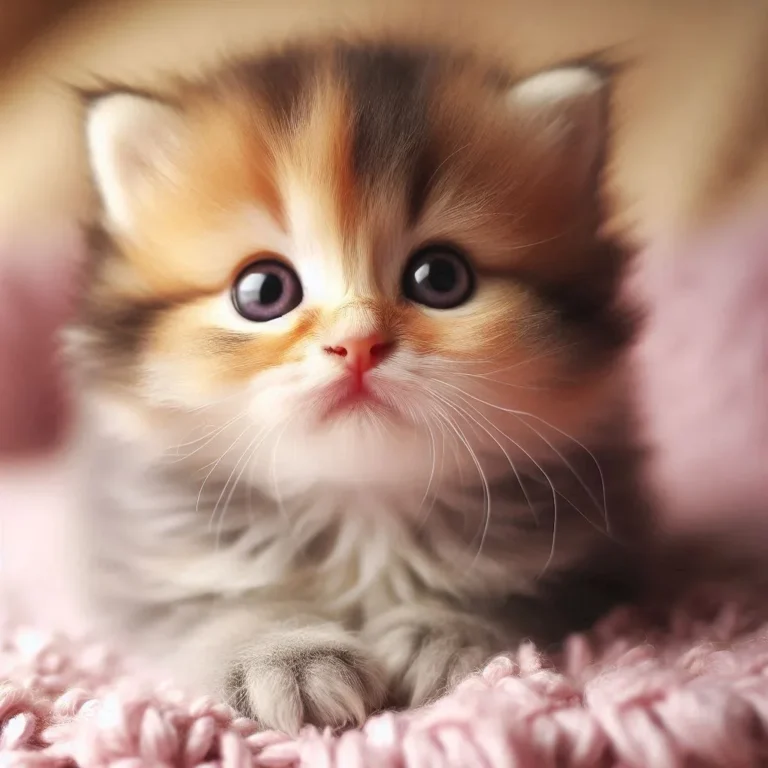
In addition to genetics, early human exposure plays a pivotal role. Kittens raised in human‑friendly environments with ample tactile positive reinforcement are more likely to develop attachment styles similar to the secure attachment seen in lap‑loving cats today. According to the Cat Fanciers’ Association, kittens that receive daily gentle handling and are exposed to various sounds and scents during the crucial 2‑8 weeks stage are predisposed to thrive in human households.
Top Breeds Known for Sociability
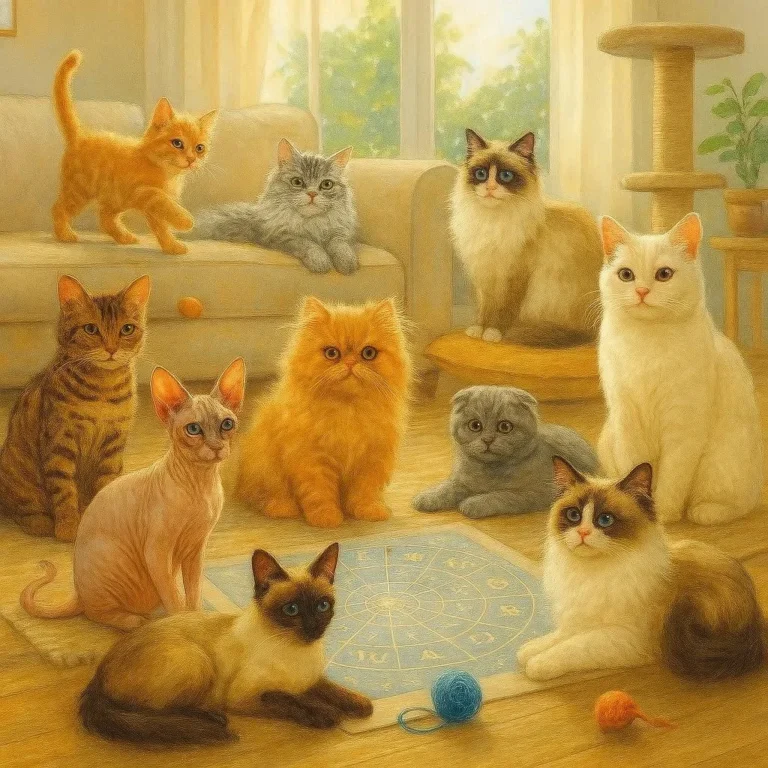
While personality varies within any breed, certain cats are statistically more likely to cherish human companionship. Below is a brief overview of the most sociable fur‑friends, curated from global cat registries and veterinary literature.
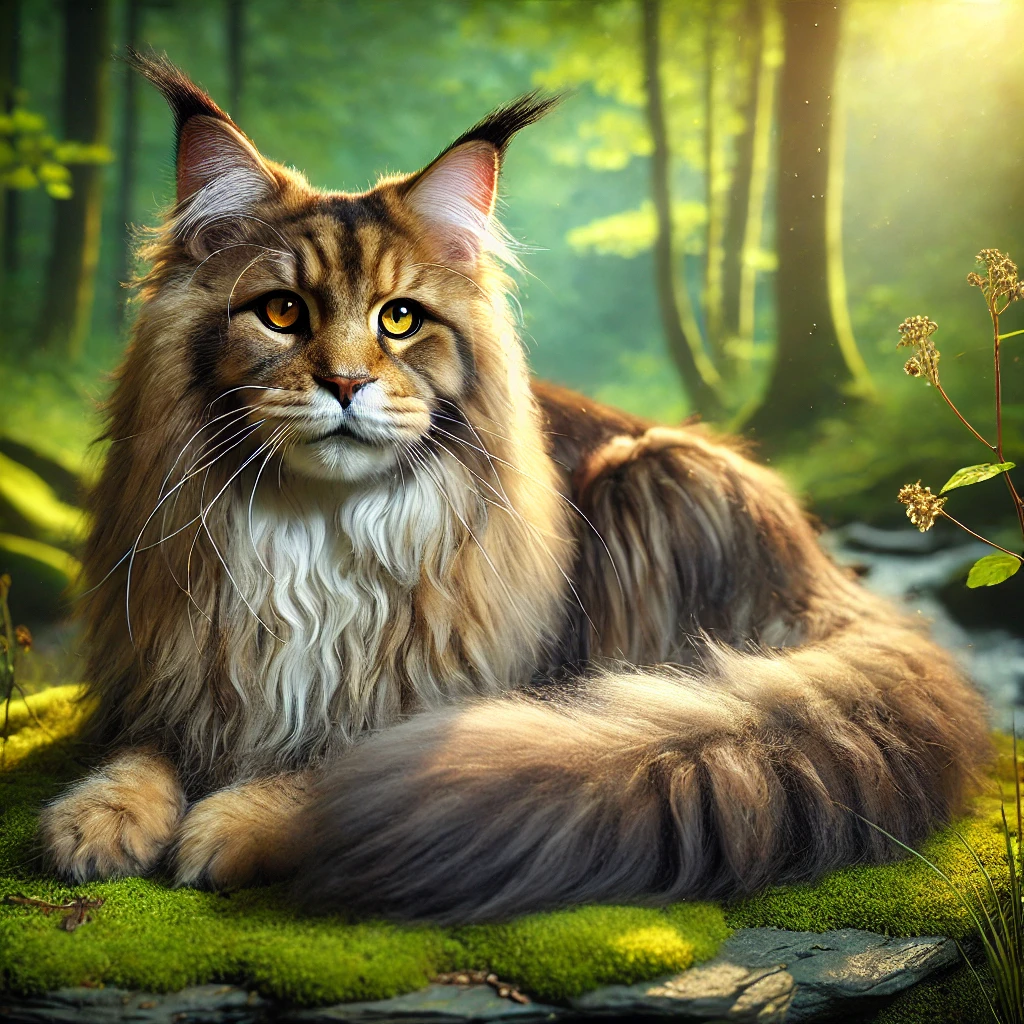
- Maine Coon: Often described as the “gentle giants,” their playful yet affectionate nature keeps them close to owners. Wikipedia
- Sphynx: Their lack of fur encourages natural bonding through body heat and skin contact, leading many owners to list them as “human‑centric.”
- Burmese: With a dog‑like loyalty and a quick response to vocal cues, Burmese cats are enthusiastic partners for both adventures and evenings on the couch.
- Ragdoll: Renowned for their floppy, human‑following tendencies, they are often called “walking furniture” due to their relaxed posture in a person’s lap.
- Ragdoll and Sphynx bio‑traits align strongly with scientific research on
social attachment.
It’s essential to remember that each cat’s individual temperament, influenced by early socialization, will ultimately determine its companionship level.
Enhancing Your Bond: Tips and Tricks
Once you’ve chosen a cat that enjoys human company, fostering a lasting relationship involves intentional habits. This section provides actionable, evidence‑based suggestions from veterinary experts.
- Consistent Routine – Cats feel secure when they know when to expect food, play, and attention. Research from the West Virginia University Center for Animal Welfare suggests that predictable schedules reduce cortisol spikes.
- Positive Reinforcement – Use treats and praise to reward desired behaviors. This has been shown to increase oxytocin release (see Nature).
- Interactive Play – Engage with feather wands, laser pointers, or puzzle feeders. Interactive play stimulates the prefrontal cortex and deepens social bonds.
- Gentle Handling – Learn how to hold and stroke your cat safely. Studies from UK Government Guides on Animal Welfare emphasize the importance of gradually building trust through low‑stress handling.
- Space to Retreat – Provide a quiet, elevated perch or small box for times when the cat wants solitude. The downgrade in attachment is neutral only if the environment respects their autonomy.
Above all, listen deeply to your cat’s verbal cues, whether they’re gentle purrs, mellow chirps, or mild hisses. Understanding these signals early helps tailor your affection style to their preference.
Signs Your Cat Cherishes Your Company
The following behaviors indicate your feline friend truly loves spending time with you. Pay attention because recognizing these cues fosters a stronger connection over time.
- Purring during cuddles – While purring can signal contentment or even hunger, purring with a relaxed body simply reflects excitement of human presence.
- Head‑butting and forehead nudges – A subtle touch of the nose to your face or hand is a sign of affectionate social bonding.
- Following you around – A cat that moves from room to room following you is investing time in companionship.
- Sleeping with you – The shared heat found in sleeping next to a bright human adds meaningful “household cohesion.”
- Bringing toys or gifts – Certain breeds, like the Burmese, will present an object as an offering of wonder.
By watching these patterns, you can gauge whether your cat is thriving in your shared space, and adapt accordingly.
Conclusion and Call to Action
Understanding the traits and habits of cat breeds that love human company will help you nurture a lasting rapport with your furry companion. Whether you’ve just welcomed a sociable Maine Coon into your home or you’re seeking a cat that will thrive on human interaction, the combination of science, temperament theory, and daily care can create a deeply rewarding partnership. Explore more about cats that love human company and join our community of cat lovers today to share tips, stories, and insights that strengthen these heart‑warming bonds.
Frequently Asked Questions
Q1. What makes a cat sociable?
Genetic factors such as lower cortisol levels and higher oxytocin receptor expression influence a cat’s tendency toward social interaction. Early human exposure, especially during the 2‑8 week critical period, also plays a key role. Kittens that receive daily gentle handling and sensory stimulation are more likely to develop secure, lap‑loving attachment styles.
Q2. Which cat breeds are most sociable?
Maine Coon, Sphynx, Burmese, Ragdoll, and Scottish Fold are statistically known for their friendliness and desire for human companionship. These breeds often seek out touch, play, and proximity to their owners, making them ideal for households looking for an affectionate partner.
Q3. How can I encourage my cat to be more affectionate?
Establish a consistent routine of feeding, play, and quiet time to reduce stress. Use positive reinforcement—treats, praise, and gentle pets—to reward interaction. Interactive play with feather wands, laser pointers, or puzzle feeders stimulates brain activity and strengthens bonds.
Q4. What signs indicate my cat loves human company?
Look for purring while being held, gentle head‑butting, following you through rooms, sleeping beside you, and presenting toys or “gifts.” These behaviors demonstrate contentment, trust, and a desire for shared space.
Q5. Should I separate a sociable cat from its human?
While sociable cats thrive on interaction, they also need private retreats to recharge. Providing a quiet perch or box satisfies their need for autonomy without severing the bond. Balance structure with flexibility for the best companionship.