Cats That Love Human Company
Welcome to our feline-friendly guide where we explore the curious world of cats that love human company. If you’re a cat lover who enjoys a cozy, interactive home, you’ll want to know the specific breeds, personalities, and care tips that foster deep human-cat bonds. Understanding the secret signals behind why some cats seek human companionship more than others can help you create a harmonious environment where both you and your feline friend thrive.
1. Why Some Cats Crave Human Interaction
Contrary to the stereotype of the aloof, solitary cat, many kitties have social needs that align closely with human behavior. According to the American Society for the Prevention of Cruelty to Animals (ASPCA), cats exhibit a wide range of interaction styles influenced by genetics, early kittenhood experience, and environmental enrichment. Key factors that drive their social tendencies include:
- Genetic Lineage: Certain breeds were selectively bred for companionship and will naturally enjoy more human interaction.
- Early Socialization: Cats that have frequent, positive contact with humans during their critical 2‑7‑week window are more confident in human presence.
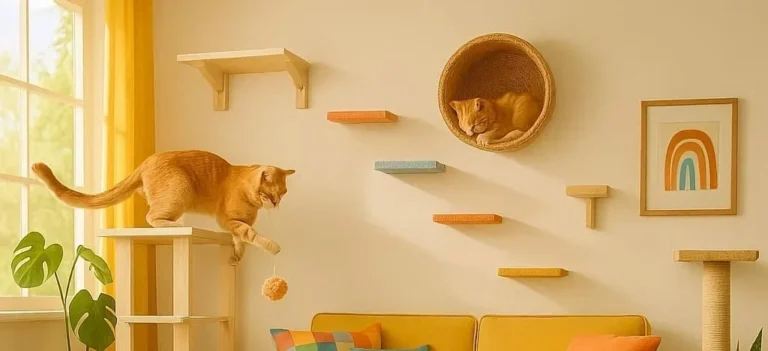
- Environmental Enrichment: Enriched surroundings featuring varied stimuli reduce anxiety, encouraging playful and social behavior.
- Personal Temperament: Individual personality traits—introversion, curiosity, shyness—play a vital role.
These elements combine to shape a cat’s desire for companionship. Understanding this framework helps identify the breeds and individual cats that are most likely to thrive in a human-centric household.
2. Breeds That Are Naturally People-Loving
While personality is paramount, some breeds naturally gravitate toward human interaction. Below are four breeds recognized for their sociable nature:
- Burmese: Known for their playful, affectionate demeanor, Burmese are often described as “dog-like” in their loyalty.
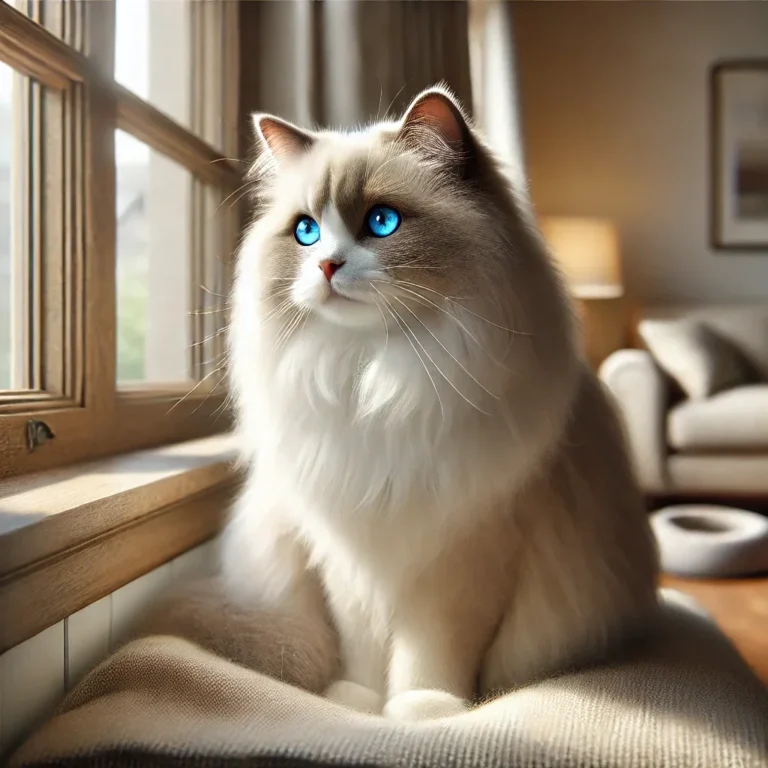
- Ragdoll: These cats often enjoy being held, falling into their iconic “rag doll” stance when relaxed.
- Maine Coon: Tall, gentle, and friendly, Maine Coons often seek engagement and thrive on family dynamics.
- Siamese: Highly vocal and curious, Siamese cats love conversation and are comforted by constant human presence.
Adopting a breed with a reputation for sociability can increase the likelihood that your cat will seek you out for affection. However, it’s always essential to assess each cat individually, because temperament can vary even within a breed.
3. How to Foster Social Bonds with Your Cat
Building a strong relationship with a cat that loves human company is a gradual process rooted in trust, boundaries, and mutual respect. These practices foster a deeper bond and encourage your cat’s natural sociability:
- Consistent Routines: Cats appreciate predictable feeding, playtime, and sleeping schedules. A stable routine signals safety and reduces anxiety.
- Interactive Play: Engage in daily 10‑minute sessions with feather wands, laser pointers, or interactive puzzle toys. This stimulates natural hunting instincts while reinforcing social play.
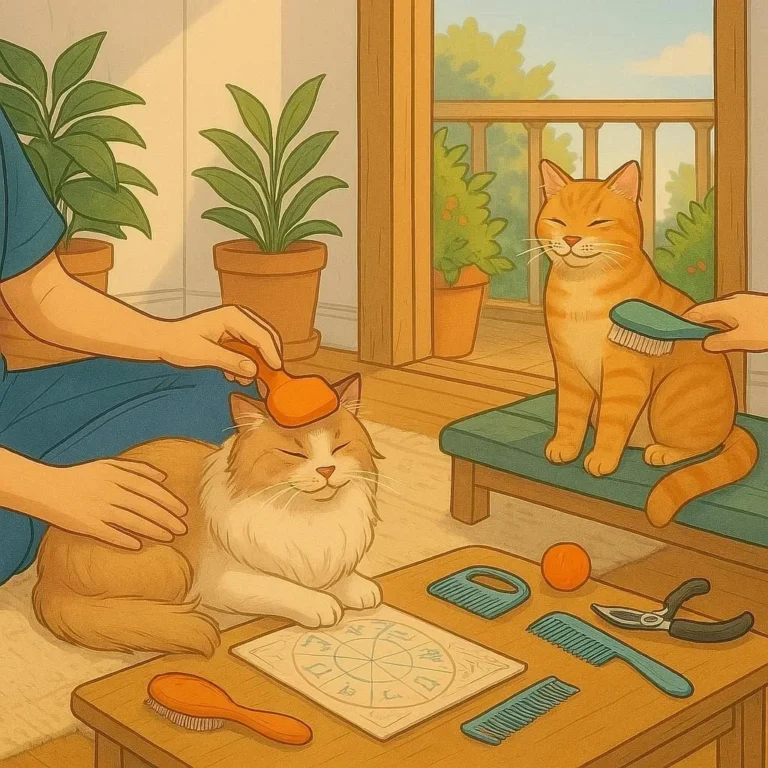
- Gentle Tactile Stimulation: Soft brushing and petting, especially around the head and chin, are powerful bonding signals. Many affectionate cats thrive on these gentle interactions.
- Respect Personal Space: Offer space when your cat retreats. By recognizing cues such as ear rotation or tail flick, you avoid overstimulation and build mutual respect.
- Positive Reinforcement: Reward good behavior with treats or praise. This encourages repeat cooperative behaviors and solidifies a positive association with your presence.
Integrating these techniques leads to a profound companionship that balances a cat’s natural independence with desired human company.
4. The Health and Emotional Benefits of Human-Centric Cats
Research indicates that cats who regularly engage with humans experience reduced stress, better sleep, and improved overall health. The Journal of Veterinary Behavior documented significant decreases in cortisol levels when cats received daily human interaction. Moreover, cat owners report improved mood, lower blood pressure, and a sense of purpose, especially when caring for a highly social feline.
In a hectic world, a cat that seeks your company serves as a heartening reminder of the power of companionship. Their purrs can soothe nerves, while their playful curiosity can ignite joy. Thus, investing in a cat that loves human company not only enriches your daily life but also promotes mutual well‑being.
Conclusion: Create a Life of Surreal Connectivity With Your New Friend
Understanding which cats love human company and nurturing that bond is an investment in first‑class companionship and shared happiness. By selecting breeds known for sociability, respecting individual temperament, and employing proven bonding techniques, you can celebrate a life filled by purrs, kneads, and shared moments that enhance both human and feline well‑being.
Ready to welcome a cat that loves your company? Explore reputable shelters or rescue groups today and bring home an affectionate, interactive companion who will turn your house into a home that sings with love.