Budgie vs Cockatiel vs Lovebird: Which Bird Is Right for You?
Quick answer: For most first-time bird owners, a budgie is the easiest choice: small, affordable, social and quick to tame. A cockatiel suits people who want a gentle, cuddly bird and have a little more space and time. A lovebird is best for experienced keepers, because it is lively, can be nippy and territorial, and needs consistent handling. Each needs daily attention, a roomy cage and a varied diet.
Key takeaways
- Budgies are the most beginner-friendly of the three.
- Cockatiels are generally the most affectionate and gentle.
- Lovebirds are bold and playful but can become territorial or nippy.
- All three are social and do better with company and daily interaction.
- Lifespan is a long commitment: years to decades, depending on species and care.
Budgies, cockatiels and lovebirds are three of the most popular small pet birds, and they are often recommended for beginners. They are colourful, intelligent and full of personality, but they are not the same. Each species has its own temperament, noise level and care needs. This comparison will help you choose the bird that best fits your home, schedule and expectations.
Quick Overview
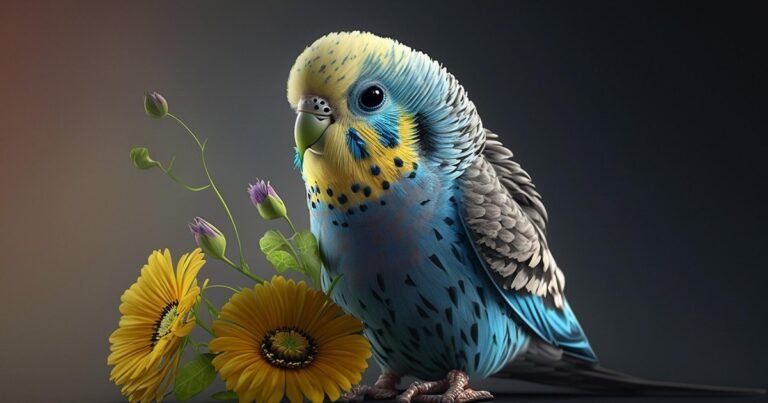
- Budgie (budgerigar): small, cheerful, often good at learning words, generally gentle.
- Cockatiel: medium-small, affectionate, famous for whistling and its expressive crest.
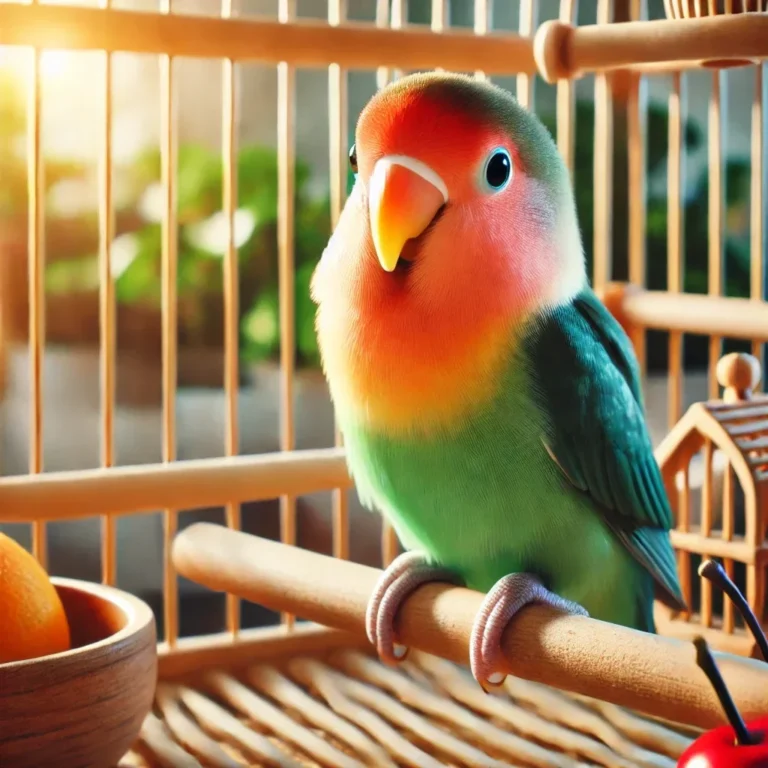
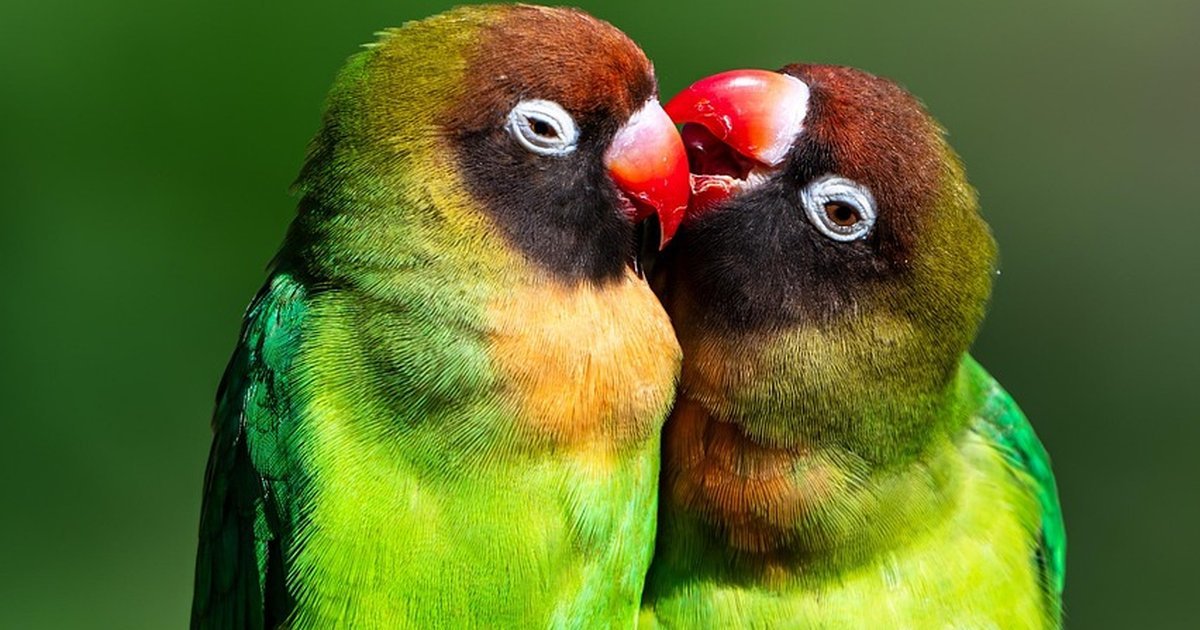
- Lovebird: small and stocky, bold and energetic, can be feisty and territorial.
Size and Space
Budgies are the smallest of the three, with cockatiels noticeably larger and longer, mainly because of their long tail. Lovebirds are compact and chunky. All three need a cage large enough to fly short distances, climb and play, plus daily time outside the cage. Cockatiels, with their long tails and wingspan, need the widest cage. Our guide on tiny pet birds for small spaces discusses space needs for compact homes.
Temperament
Budgies
Budgies are social, curious and usually gentle. They tame well with patient training and often enjoy perching on a finger. They can be a little nervous at first.
Cockatiels
Cockatiels are typically calm, affectionate and cuddly with their people. Many enjoy head scratches and sitting on a shoulder. They tend to be easy-going but can be startled at night.
Lovebirds
Lovebirds are bold, playful and energetic. They can be very affectionate with a bonded person but may also be nippy or territorial, particularly around their cage. They need consistent, gentle handling.
Noise Level
None of these birds is silent. Budgies chatter and chirp much of the day but at a relatively soft volume. Cockatiels whistle, call loudly when they want attention and can be quite noisy in the morning and evening. Lovebirds have sharp, high-pitched calls that some people find piercing. If you live in a flat with close neighbours, consider noise carefully.
Talking and Whistling
Budgies, especially males, are among the small birds best known for learning words and phrases, and some build surprisingly large vocabularies. Cockatiels are better at whistling tunes than talking, although some learn a few words. Lovebirds generally do not talk much. Read our talking bird species guide if speech is a priority for you.
Lifespan
All three are long-term commitments. With good care, budgies often live around five to ten years or more, lovebirds commonly live into their teens, and cockatiels frequently reach their late teens or twenties. Make sure you can care for your bird for its whole life.
Single or Pair?
Budgies are flock birds and often do well in pairs, although a single budgie can be happy with plenty of human interaction. Cockatiels can be kept singly if they get a lot of attention. The idea that lovebirds must be kept in pairs is a common myth; a single lovebird can thrive with dedicated daily interaction, but a pair will bond closely with each other and may be less tame with people.
Care Needs Compared
- Diet: all three benefit from pellets, fresh vegetables and limited seeds. Our guide on what parrots should eat applies to all of them.
- Attention: all need daily social time, but cockatiels and single birds especially crave company.
- Mess: cockatiels produce feather dust, which may bother people with allergies. Lovebirds love shredding paper and toys.
- Cost: budgies are usually the least expensive to buy and house; cockatiels need larger cages.
Which Bird Should You Choose?
- Choose a budgie if you want a small, gentle bird that may learn words and you have limited space.
- Choose a cockatiel if you want an affectionate, cuddly companion and enjoy whistling.
- Choose a lovebird if you want a lively, bold bird and are ready for consistent training.
Whichever you choose, buy from a reputable breeder or adopt from a rescue, and find an avian vet before you bring your bird home.
Questions to Ask Before You Decide
Before buying, think honestly about your daily routine. How many hours will the bird be alone? Is anyone in the family sensitive to dust or noise? Do you have a quiet, safe room for the cage away from the kitchen? Is there an avian vet nearby? Can someone care for your bird when you travel? Answering these questions often makes the choice between a budgie, cockatiel and lovebird much clearer, and it helps you prepare for a long, happy life together.
Health and Vet Care
All three species can hide illness, so regular weight checks and an annual visit to an avian vet are worthwhile. Budgies can be prone to tumours and obesity on seed-heavy diets, cockatiels may suffer night frights and need careful cage placement, and lovebirds can develop feather problems when bored or stressed. Good diet, daily enrichment and early vet attention prevent many issues.
Practical Guide: Going Deeper
Budgie vs cockatiel vs lovebird
| Feature | Budgie | Cockatiel | Lovebird |
|---|---|---|---|
| Size | Small | Medium | Small |
| Typical temperament | Cheerful, chatty | Gentle, affectionate | Bold, energetic |
| Noise | Constant chatter | Whistles, contact calls | Loud, sharp calls |
| Talking ability | Can learn many words | Better at whistling tunes | Rarely talks |
| Beginner friendly | Very | Yes | Less so |
| Dust level | Low | Powder down, more dust | Low |
Which Bird Fits Your Lifestyle?
If You Live in a Flat
Budgies and cockatiels are usually easier for flats because their calls are softer than the piercing shrieks lovebirds can produce. Cockatiels may still call loudly at dawn and dusk, so think about neighbours and shared walls.
If You Are Away All Day
All three species are flock birds. If the home is empty for long hours, keeping a same-species pair is often kinder than a single bird, although paired birds may bond more with each other than with you.
Health and Care Differences
Diet Needs
All three do best on a base of good quality pellets or a balanced mix, plus fresh vegetables daily. Seed-only diets are linked to obesity and nutritional deficiencies in all small parrots. Avocado, chocolate, caffeine and alcohol are toxic to birds.
Allergies and Dust
Cockatiels produce powder down, a fine dust that keeps their feathers healthy but can bother people with allergies or asthma. Regular bathing, cleaning and an air purifier help, but allergy-prone households may prefer a budgie.
Costs and Setup to Plan For
Cage and Accessories
Whichever species you choose, budget for a cage with safe bar spacing that is wide enough for flapping, natural wood perches of different thicknesses, food and water bowls, chew toys, foraging toys and a cover. Cockatiels need a larger cage than budgies or lovebirds because of their long tails and crests.
Ongoing Expenses
Pellets, fresh produce, replacement toys, cage liners and regular avian vet visits are ongoing costs. Avian vets can be harder to find than dog and cat vets, so locate one before you bring a bird home and keep money aside for emergencies.
Training and Interaction Compared
Taming Speed
Young, hand-reared budgies and cockatiels often tame quickly with daily, gentle sessions. Lovebirds can tame well too, but they may become nippy during hormonal phases or if handling is inconsistent.
Talking and Tricks
Budgies are often the best talkers of the three, sometimes learning many words. Cockatiels, especially males, are famous for whistling tunes. All three can learn step-up, target training and simple tricks using small treats and positive reinforcement.
Final Thoughts
There is no single best bird for everyone. Budgies are lively, affordable and great for beginners; cockatiels are gentle companions that often enjoy close contact; lovebirds are bold characters that reward experienced, patient owners. Think honestly about noise tolerance, the time you can spend with your bird each day, space for a proper cage and access to an avian vet. Choosing the species that fits your daily life is the best way to build a long, happy bond with your new feathered friend.
Related reading:
Frequently Asked Questions
Can budgies, cockatiels and lovebirds live together?
It is generally not recommended. Lovebirds can be aggressive towards other species, and size differences increase the risk of injury. House different species separately.
Which of the three is cheapest to keep?
Budgies usually have the lowest running costs because of their size, but cage, toys, food and vet care add up for any bird. Find an avian vet before you buy.
Which is better for beginners: budgie or cockatiel?
Both are good choices. Budgies are smaller and cheaper to keep, while cockatiels are often calmer and more cuddly. Consider space, noise and time.
Do lovebirds need to be kept in pairs?
No. A single lovebird can be happy with lots of daily interaction. Pairs bond with each other and may be less hands-on with people.
Which bird is the quietest?
Budgies are generally the quietest of the three, though they chatter often. Cockatiels and lovebirds can be louder.
Can budgies and cockatiels live together?
They can share a room, but housing them together needs care because of size differences. Supervise closely and ask an avian vet for advice.