Why Is My Bird Screaming
Many bird owners are startled when their feathered companion erupts in an unexpected burst of crowing, chirping, or chattering. That sudden, often high‑pitched scream can feel alarming, but it is usually a natural response that offers clues about the bird’s wellbeing. Understanding why a bird screams—and what you can do about it—helps you create a stress‑free environment and ensures your pet stays healthy and happy.
Common Reasons a Bird Screams
Birds have an intricate vocal system that they use for navigation, communication, and emotional expression. When you see your parrot or cockatiel screaming, it may be a sign that they’re trying to convey a need or a signal that something feels off. Below are the most frequent reasons a bird may let out a scream:
- Attention‑Seeking: A hungry or bored bird often screams to get your focus.
- Stress or Anxiety: Sudden changes or loud noises can trigger a distress call.
- Health Problems: Pain or illness can cause continuous vocalization.
- Environmental Drift: Unfamiliar surroundings or cages that feel too small.
- Social Needs: Birds in isolation may scream because they miss a companion or social interaction.
Environmental Triggers That Spark Screaming
Becoming familiar with the environment that surrounds your bird is the first key to managing loud vocalizations. Factors most frequently linked to a scream include:
- Changes in Cage Placement – Moving the cage from one room to another can unsettle a bird because it may feel trapped in an unfamiliar space.
- Loud Home Activities – Construction noise, television soundtracks, or neighborhood traffic can overwhelm a highly sensitive avian hearing system.
- Inadequate Perches and Toys – Lack of stimulation can prompt a bird to vocalize as it craves mental engagement.
- Unpredictable Routine – Birds thrive on consistency. A sudden shift in feeding times or interaction schedules disrupts their secure environment.
- Temperature and Lighting – Excessive heat or low lighting can create discomfort, triggering a vocal complaint.
Health‑Related Causes of Screaming Birds
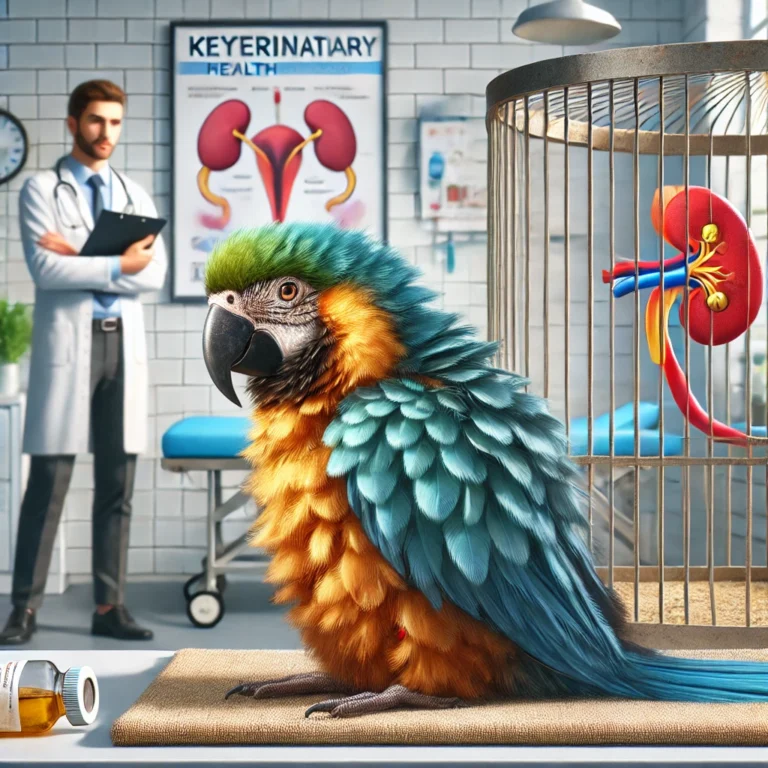
Certain medical conditions can make it so that a bird’s normal vocalization turns into a constant cry. Pay attention to accompanying signs such as drooling, lethargy, or abnormal droppings, because these may signal:
- Respiratory infections – A pre‑nasal upgrade, congestion, or gagging that reduces airflow.
- Pneumonia or airway parasites – which irritate the delicate lung tissue.
- Neurological disorders – such as a stroke, affecting vocal cord control.
- Dental issues – pain from over‑grown incisors or a dental abscess.
- Dental or intestinal parasites – that cause prolapse and discomfort.
If you suspect a health problem, a prompt visit to an avian veterinarian is essential. Skipping medical care can turn a minor scream into a severe case of chronic distress.
Social Dynamics and Behavior Affecting Bird Screams
Poultry and pet birds often depend on social bonds to maintain mental stability. When these social cues are missing, screaming is a natural way for a bird to rebuild relationships. Social triggers include:
- Loneliness: A parrot left alone for extended periods will scream to signal need for community.
- Dominance Display: In species such as cockatiels, a young bird may scream as a call for recognition from the adult bird.
- Fight or Flight: A new or aggressive bird introduces tension that sparks fear or agitation.
- Space Competition: A cramped cage can lead to territorial disputes, inducing vocal outbursts.
Ensuring your bird has a compatible companion—when appropriate—helps mitigate these social anxieties. For guidance on pet compatibility, refer to an expert avian behavior study that outlines species preferences.
Prevention Tips and Management Strategies
It is possible to reduce screaming by setting up a supportive, predictable, and stimulating environment. Here are some practical steps:
- Structured Daily Routine: Feed, clean, and interact at set times each day to give your bird stability.
- Enrichment: Rotate toys, provide foraging items, and create puzzle feeds that challenge impulse control.
- Comfortable Enclosure: Keep the cage large enough for flight and ensure comfortable perches in natural light.
- Positive Reinforcement: Reward quiet behavior with treats, gentle petting, and attention.
- Environmental Design: Use non‑obtrusive screens to block loud external noises and ensure the cage position replicates a safe, quiet spot in your home.
- Health Checkups: Regular veterinary check‑ups help detect early signs of disease when vocalization changes.
Conclusion & Call to Action
Screaming is a complex mixture of health, environmental, and social signals. Paying close attention to the context of vocal outbursts lets you discern whether the sound is a harmless bark of excitement or a warning of deeper problems. Regular care, a stable schedule, and attentive health oversight can vastly lower the scale of screaming and bring harmony back to your feathered family member. If you notice persistent screaming mixed with other symptoms, contact a certified bird health professional right away to rule out medical issues.
Take Action Today: Create a Calm, Enriched Habitat for Your Bird—and Stop the Screaming Once and For All!
Visit the Cornell Lab of Ornithology for further reading about avian vocal behavior, or consult the National Geographic Birds section to deepen your knowledge about species‑specific needs.