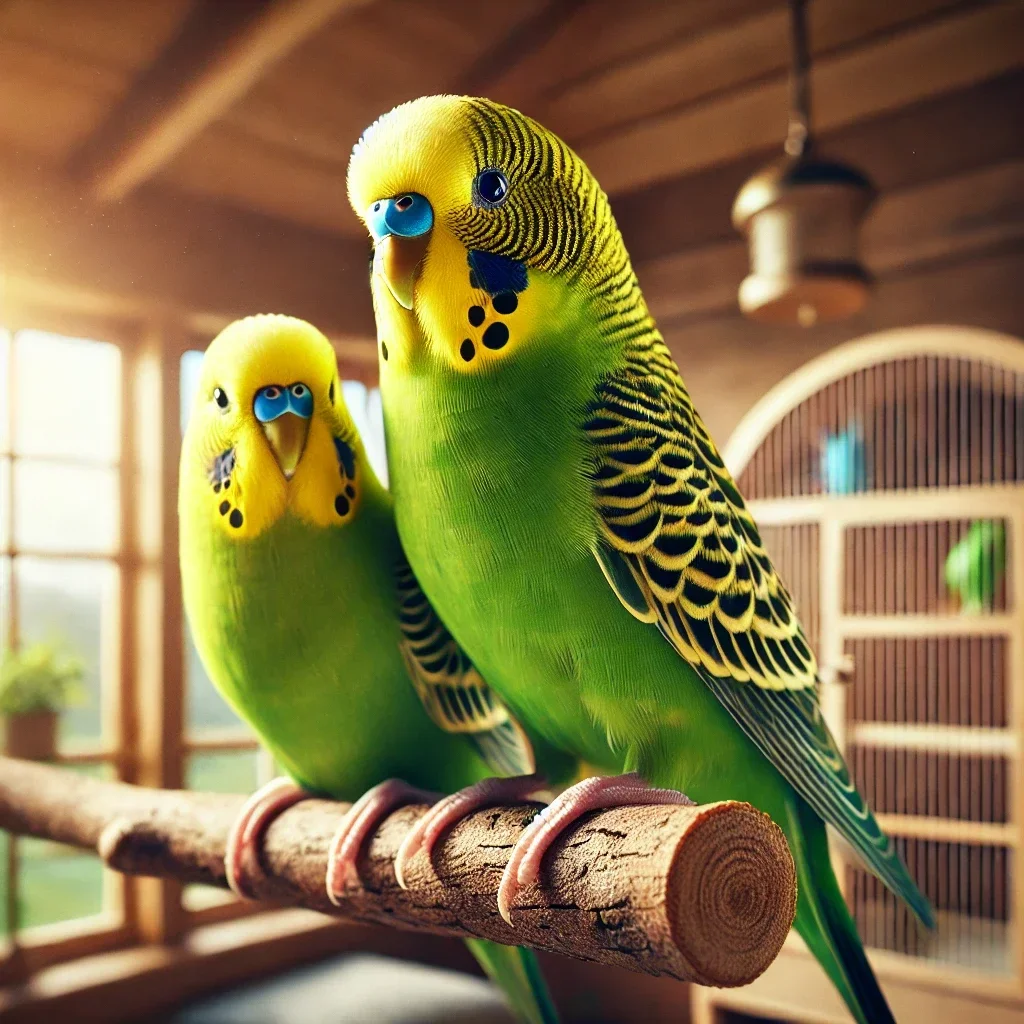
Top Social Companion Birds Ranked
Choosing a pet bird that thrives on interaction can transform a house into a sanctuary of chirps and chatter. In the world of Social Companion Birds, selecting the right species means considering temperament, intelligence, lifespan, and the time you’re willing to invest. Below, we rank the most beloved social companion birds, explaining why each excels at building bonds with humans and other feathered friends.
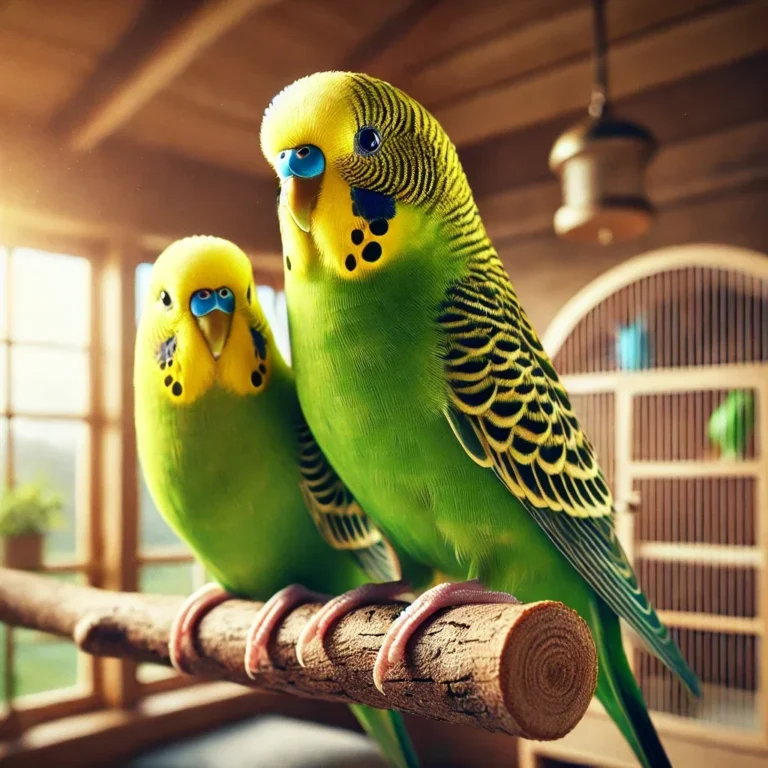
1. Budgerigar (Budgie) – The Classic Chirper
The budgerigar, or budgie, is the quintessential social companion bird, especially among beginner avian owners. Small in size yet mighty in personality, budgies require daily interaction and thrive on familiar voices. Their social nature is well-documented by the Budgerigar Wikipedia page, which notes their playful farewells and tendency to develop distinct personalities. Budgies form strong bonds with their caretakers when routinely exposed to conversation, gentle touch, and shared feeding times. These birds are also known for their ability to mimic human speech, making them natural conversationalists in any household.
Key Traits:
- Highly trainable with simple commands.
- Excellent at social bonding with humans.
- Requires a spacious cage and a varied diet of seeds, fresh greens, and occasional fruit.
- Lifespan of 5–10 years with proper care.
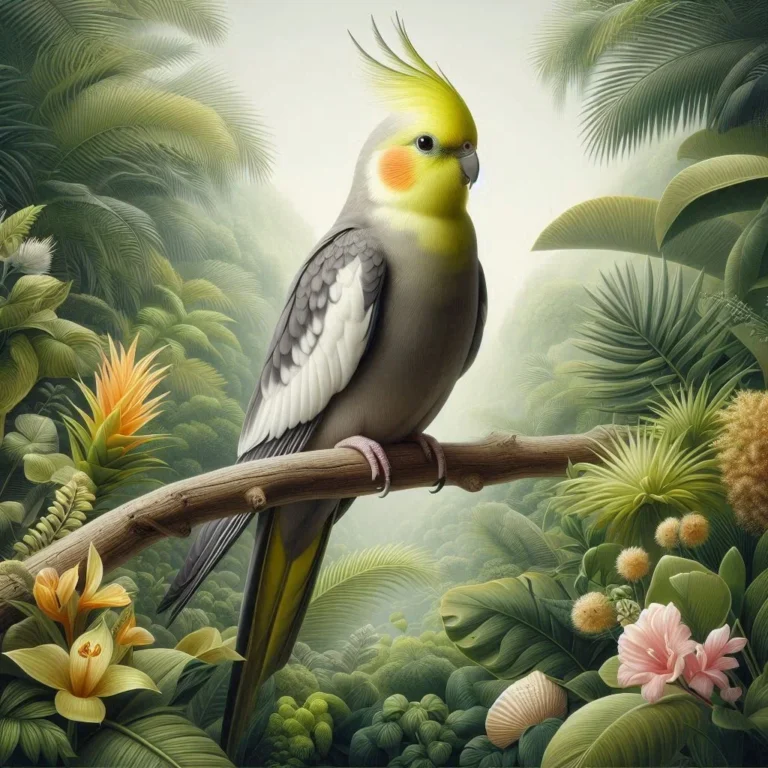
2. Cockatiel – The Talkative Companion
In the Social Companion Birds sphere, the cockatiel sits just behind the budgie thanks to its soothing whistle and advanced vocal flexibility. According to a study shared by the Cornell Lab of Ornithology, cockatiels can imitate a wide range of sounds, making them perfect for those who enjoy a talking pet. They are especially friendly to children, employing a gentle nature that matches the calmness of many households. Cockatiels appreciate daily handling and can follow simple tricks like head twitches or speaking short phrases.
Key Traits:
- Shows affectionate pecks and nuzzling.
- Requires mental stimulation with puzzle toys.
- Prolific vocalization demands a quiet environment.
- Lifespan of 10–15 years.
3. African Grey Parrot – The Intelligent Friend
When the word Social Companion Birds is paired with intelligence, the African Grey Parrot tops the list. Renowned for their advanced cognitive abilities, these parrots can understand concepts, count, and even solve puzzles. Backed by research from U.S. Department of Agriculture resources, African Grays can speak with remarkable clarity and are known to form deep bonds with humans. Their love for social interaction means you’ll need a robust cage, plenty of toys, and a schedule that includes two hours of direct contact per day. While they do not tolerate a single person for extended periods, they thrive in environments where many family members interact with them.
Key Traits:
- Requires an engaging, stimulating environment.
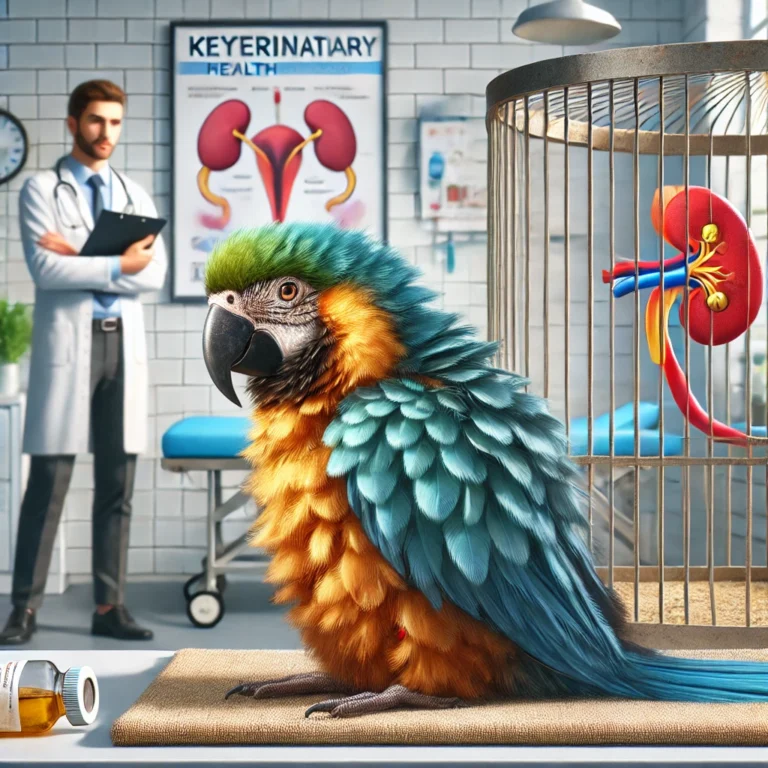
- May develop health issues (lymphoid necrosis) if diet lacks proper calcium.
- Excellent conversational partners, speaking hundreds of words.
- Lifespan of 40–60 years; a lifelong companion.
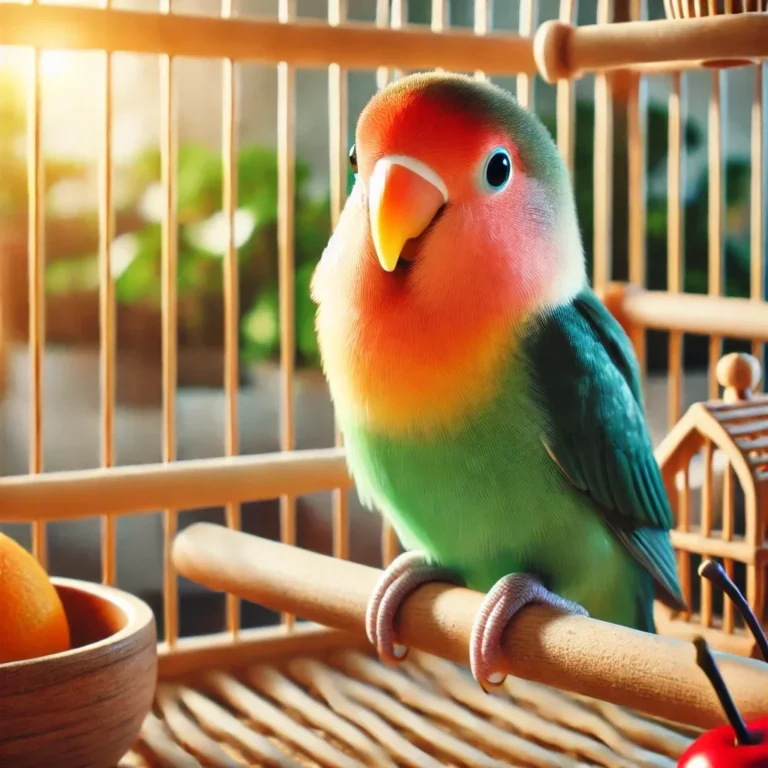
4. Lovebirds – The Pack-Style Partner
Lovebirds are an excellent pick for families or couples looking for a social companion bird that thrives on companionship. These small parrots excel when kept in pairs or small groups, allowing them to develop complex social hierarchies. Scientific observations, such as those from the Lovebird Wikipedia page, show that they bond with humans through mutual grooming and affectionate head nudges. Lovebirds are playful, often engaging in feather fluffing rituals and enjoying small treats. They appreciate an environment that simulates a “caves” setting, which can be created with natural branches and perches.
Key Traits:
- Thrives in pairs or small flocks.
- Requires a spacious enclosure with hiding spots.
- Can display aggression if not properly socialized.
- Lifespan of 7–10 years.
Benefits of Owning Social Companion Birds
Beyond obvious companionship, social companion birds offer a range of health and emotional benefits. Below is a quick take-out list summarizing how these birds can positively impact your daily life:
- Reduces stress through gentle petting and melodic chirps.
- Encourages routine as birds need consistent feeding and interaction.
- Enhances communication skills in children through language exposure.
- Improves focus as owners train birds to perform tricks.
- Fosters a sense of responsibility that benefits mental well‑being.
How to Care for Your Social Companion Bird
Regardless of which species you choose, the core elements of bird care are consistent. Start with a cage that is at least three times the bird’s wingspan long to ensure full wing movement. Provide a rotating set of perches, toys, and chewables to keep their environment stimulating. Daily interaction isn’t just about feeding; it’s about watching your bird perform, talking to it, and holding brief, reassured handles. Keep their diet balanced—mainly seeds or pellet mix, supplemented with leafy greens, sliced veggies, and fruits once a week. Pay special attention to beak trimming and nail maintenance to avoid overgrowth.
Alcohol or toxic substances can not only ruin a bird’s health but also break the bond that has taken months of patience to build. A no‑tolerance policy for household chemicals around the bird’s enclosure safeguards trust and enthusiasm. The health of your social companion bird is intimately tied to the consistency and quality of its care, echoing the nature of any deep, human relationship.
Ready to Choose? Take the Next Step!
Now that you’ve explored the top social companion birds, it’s time to decide which one fits your lifestyle and personality best. Whether you’re drawn to the curious chatter of a budgie, the intelligent conversation with an African Grey, or the affectionate companionship of lovebirds, remember that a bird’s world expands one day at a time. Start preparing a cozy cage, gather quality food, and most importantly, commit to daily interactions that build that trust needed for any great partnership.
Take action today: Find a reputable adoption center or breeder, register your interest here, and foster the bond with a social companion bird that will enrich your life for years. Your future feathered friend is only a decision away!
Frequently Asked Questions
Q1. What makes a bird a good social companion?
Good social companion birds typically have a friendly temperament, high intelligence, and a strong need for interaction. They thrive on regular human contact, mimicry, and social grooming which builds a bond. Birds such as budgerigars, cockatiels, and African greys exhibit these qualities, making them popular choices for families and individuals alike.
Q2. How often should I interact with my social companion bird?
The recommended daily interaction varies by species, but a general guideline is at least 30 minutes for smaller parrots like budgies and up to two hours for larger, highly intelligent birds such as African greys. Consistency is key; regular short sessions help prevent dominance issues and reinforce trust. Include talks, gentle handling, and shared feeding time to strengthen the relationship.
Q3. Which species is best for families with children?
Budgerigars and cockatiels are excellent choices for families with kids because of their easy care, playful nature, and tendency to tolerate rough handling if taught from a young age. Their limited voice projection and smaller size reduce the risk of accidental harm. Always supervise play and establish boundaries to keep both bird and children safe.
Q4. How can I prevent aggression in lovebirds?
Lovebirds can become territorial, especially if kept alone. Keep them in pairs or small flocks and provide ample toys, perches, and hiding spots to reduce boredom. Socialize them slowly from a young age, and intervene gently if any aggressive behavior occurs.
Q5. Can social companion birds live long in captivity?
Yes, many social companion birds, particularly African greys, can enjoy lifespans of 40–60 years when given proper nutrition, mental enrichment, and veterinary care. Budgies, cockatiels, and lovebirds typically live 7–15 years. Regular check-ups and a toxin‑free environment are essential to maximize longevity.