Gentle Pet Bird Species Guide
Gentle pet bird species are the feathered companions that embody calmness, intelligence, and low‑maintenance lifestyles. Whether you are a first‑time owner or an experienced avian enthusiast, choosing a bird that exudes a gentle disposition can transform your indoor sanctuary into a harmonious, animated haven. This guide catalogs the most refined, personable bird species that thrive as low‑stress pets, providing science‑based care insights, temperament highlights, and essential resources for long‑term wellbeing.
Why Gentle Birds Make Ideal Household Pets
Humans and birds share a remarkable history of companionship. Birds that naturally exhibit sociability, affability, and manageable vocal patterns are seen as “gentle” because they adapt well to human presence, communicate effectively, and pose minimal ecological disruption. The primary advantage of selecting a gentle species is reduced anxiety for both owner and bird. Consistent, calm interactions lower stress hormones, promoting healthier feathers, better digestion, and longer lifespans. Additionally, gentle species are often less demanding in terms of space, exercise, and enrichment requirements, making them suitable for apartments, shared housing, or families with young children.
Top Gentle Pet Bird Species
The following species have earned reputations for friendly behavior, moderate size, and relatively minimal care challenges. Each entry includes a concise overview of temperament, personality, and recommended care guidelines.
- African Grey Parrot – Renowned for incredible mimicry, this medium‑sized bird is highly intelligent and thrives on interaction. Contrary to popular belief, African greys can form deep bonds, often choosing a single human companion to focus affection. They require enrichment such as puzzle toys, foraging, and voice training. For more scientific background, see Wikipedia: African Grey.
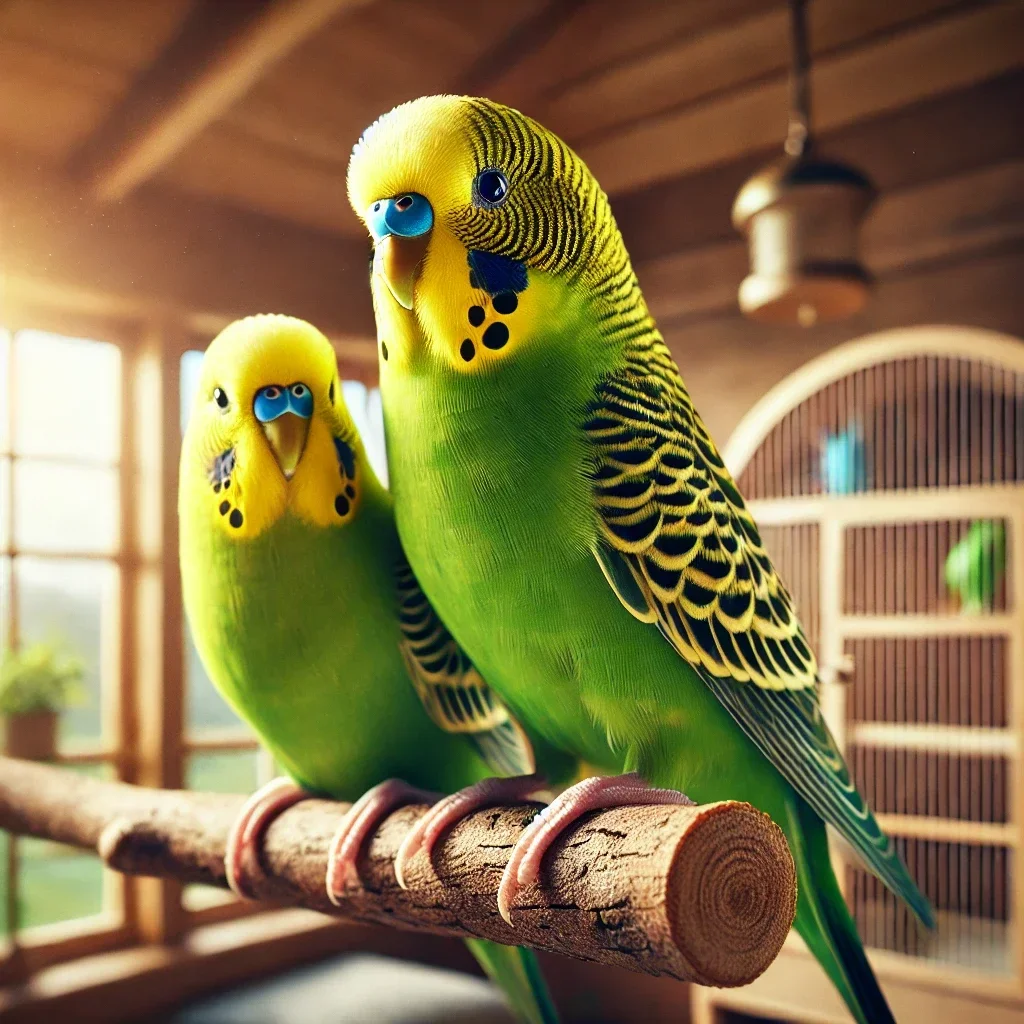
- Budgerigar (Budgie) – Small, charismatic, and talkative, budgies adapt readily to human touch. They flourish with gentle handling and are often the first avian species introduced to children. Budgies enjoy a varied diet of fresh greens, seeds, and occasional fruit. For growth data, refer to AvianHealth.com.
- Cockatiel – The cockatiel’s expressive, drooping wings and friendly demeanor make it a go‑to choice for novice keepers. With calm vocalizations, these birds are less likely to disturb neighbors. They prefer a balanced diet of seeds, pellets, and vegetables, and love interactive feather toys. Educational resources can be found at Britannica: Cockatiel.
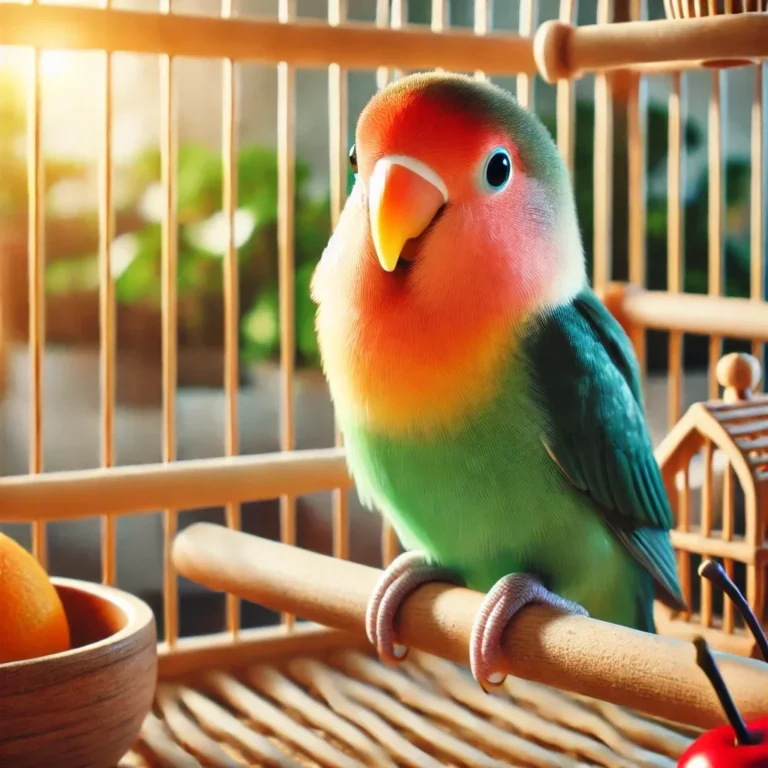
- Lovebird – True to their name, lovebirds value companionship and gentle affection. Watching them form strong pair bonds can be incredibly rewarding. They thrive on a live‑food regimen of spinach, peas, and grains. The European Federation of the Association of Poultry, Avian, and Ornamental Bird Breeders provides breed specifics: EFOAB.
- Canary – While known for melodious songs, canaries are remarkably calm and usually require singular, gentle training. They prefer a diet rich in grains, especially canary seed, and enjoy sun‑bathing. The National Association of Canaries offers insight via Canary Fans.
- Finch (House Finch / Zebra Finch) – These small, hop‑lively birds exemplify friendliness, with minimal vocal demands. House finches adapt easily to captivity if given proper ventilation; zebra finches require pair or group settings to thrive. Switcher.com’s finch guide at Switcher.com: Finch Care offers thorough care instructions.
Key Care Practices for Gentle Bird Owners
While each species presents unique traits, certain care techniques universally enhance a bird’s tranquility and health. Emphasizing these aspects ensures your gentle companion maintains equilibrium and sentiment.
- Consistent Handling – Regular, gentle touch conditions birds to human presence. Handle each bird for 5–10 minutes daily, beginning with a calm environment to prevent overstimulation.
- Balanced Diet – Offer species‑specific pellets, fresh greens, and freshly cleaned water daily. Avoid high‑fat, sugary, or processed snacks that can lead to obesity or digestive upset.
- Environmental Enrichment – Incorporate rotating toys, foraging puzzles, and safe natural elements like untreated driftwood or herbs. This stimulates natural foraging behaviors and reduces boredom‑linked aggression.
- Regular Vet Check‑Ins – Schedule annual vet visits with an avian specialist to monitor reproductive health, feather conditions, and latent illnesses such as psittacosis or respiratory infections.
- Quarantine Protocols – When adding new birds or foods, quarantine for at least 30 days. This practice protects existing flock members from infectious exposure.
Matching Gentle Birds with Family Lifestyle
When selecting a gentle species, consider your family’s daily rhythm, available space, and noise tolerance. Below are alignment guidelines for diverse households.
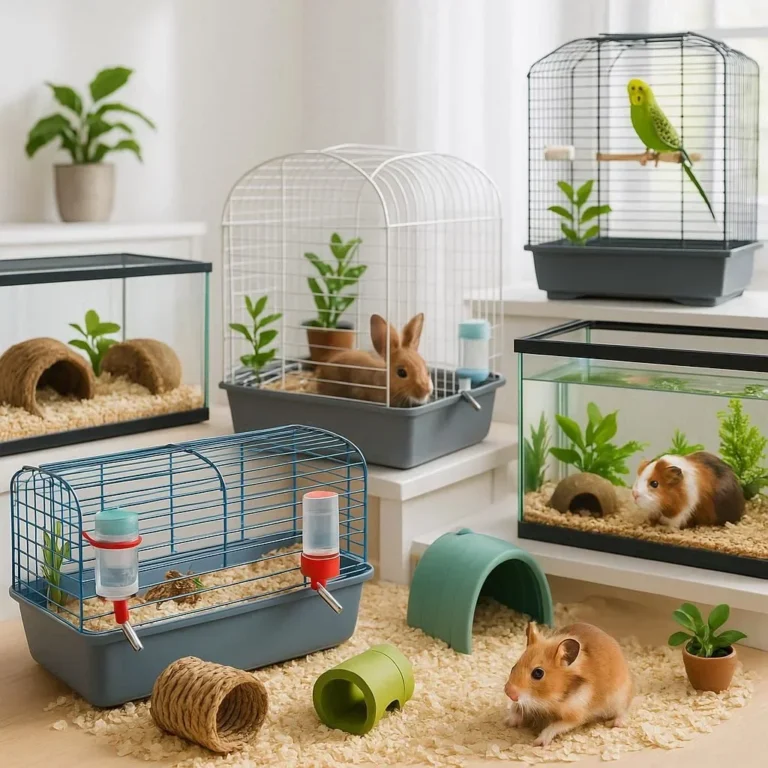
- Cozy Apartments – Budgies, lovebirds, and canaries adapt well to tight spaces due to their small size and moderate sound levels.
- Active Suburban Homes – African greys and cockatiels flourish with ample flying time on open windowsills or dedicated play areas.
- Parent–Child Pairings – Lovebirds and finches teach children responsibility while offering accessible teaching moments for proper bird handling and health care.
- Pet‑Friendly Communities – Households with cats or other pets should select birds that display high tolerance to “foreign” stimuli. For expert insight, consult The American Avian Society.
Conclusion: Embrace Gentleness, Foster Bonding
Gentle pet bird species bring an infusion of companionship, colorful conversation, and quiet living into homes worldwide. By choosing species that align with your lifestyle and committing to evidence‑based care practices, you pave the way for a long‑lasting, joyous partnership. The key lies in recognizing that pet birds, like any living creature, thrive on stability, affection, and thoughtful stewardship.
Frequently Asked Questions
Q1. What makes a bird “gentle” as a pet?
A gentle bird is one that tends to be calm, sociable, and has minimal vocal or aggressive tendencies. It is not determined by size, but by temperament and ease of handling. Gentle birds usually form strong bonds with their owner while remaining low‑maintenance and stress‑tolerant.
Q2. Which gentle bird species are best for apartment living?
Budgies, lovebirds, and canaries are ideal for smaller spaces because they are compact and their noise levels are moderate. These species thrive in a controlled indoor environment with sufficient perches and enrichment. Proper ventilation and sun exposure will ensure their long‑term well‑being.
Q3. How often should gentle pet birds be handled?
Handling 5‑10 minutes each day, preferably in the morning, is enough to keep the bird comfortable with human touch. Consistency builds trust, while over‑handling can cause stress. Gentle birds appreciate a calm setting with undisturbed focal time.
Q4. Do gentle birds make good companions for children?
Yes, when taught correct handling techniques, gentle species such as lovebirds and finches help children develop responsibility and empathy. They are generally tolerant of gentle touch, but parents should supervise to avoid accidental mishandling.
Q5. What are the most common health concerns for gentle pet birds?
Respiratory infections, feather‑loss disorders, and nutritional deficiencies are the top concerns. Regular veterinary check‑ups, a balanced diet, and a clean habitat minimize these risks. Early detection through routine observation extends a bird’s life span.