Parakeet Care Guide for Beginners
The Parakeet Care Guide is a must-read for anyone wishing to give a new bird a healthy, happy start. A parakeet can be a delightful companion, but first‑time owners need to understand the basics of species selection, nutrition, and daily care. Knowing the fundamentals not only enhances your bird’s life but also ensures a strong, lasting bond. In this comprehensive guide, we’ll cover key topics such as cage setup, feeding, enrichment, and training so you can confidently welcome a feathered friend into your home.
Parakeet Care Guide: Choosing the Right Species
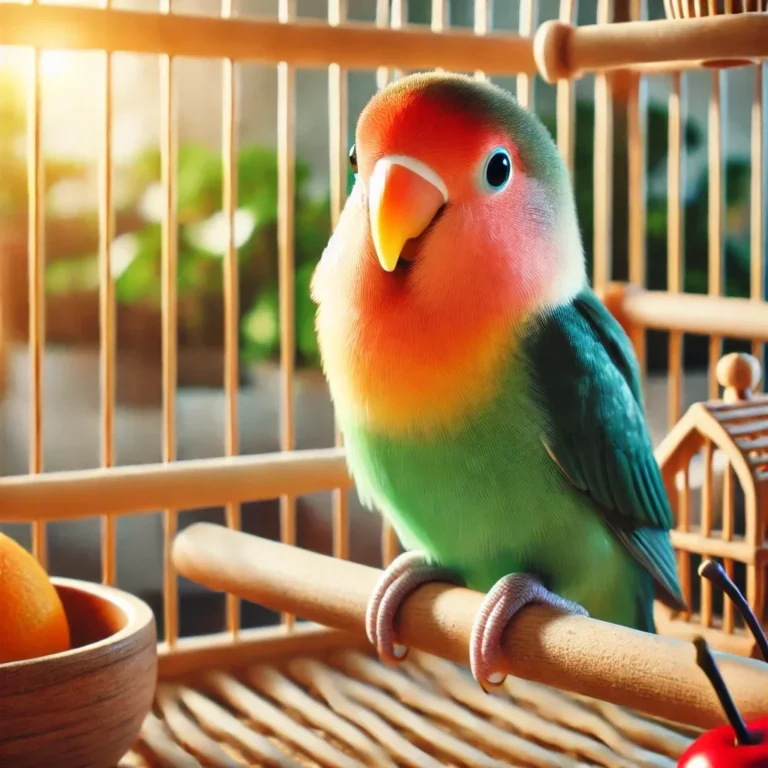
While the term “parakeet” often conjures a cheerful green bird, several species fit under this umbrella—budgerigars, sunshine parakeets, and Indian ringtails, to name a few. The most common choice for beginners is the budgie, known for its playful nature and ease of care. Consider temperaments: some parakeets are more talkative and interactive, whereas others remain calm and are less demanding of human attention. Take time to observe group interactions, vocalization patterns, and activity levels before purchasing. A well‑matched species will adapt more quickly to home routines, reducing stress for both bird and owner.
Parakeet Care Guide: Cage Essentials and Environment Setup
Providing a safe, engaging environment starts with the right cage. A 24‑inch cage by 18‑inch depth and 18‑inch height is the minimum for a single budgie, but larger cages are preferable for active parrots. The cage should be made of sturdy, non‑toxic metal or wood and feature bars spaced not more than 1/2 inch apart to avoid escape or injury. Fresh water must be readily available, and a balanced diet requires a feeder made from non‑porous material. Lighting should mimic natural daylight—so a 12:12 hour light/dark cycle works well.
- Large humane cage (≥24 x 18 x 18 inches)
- Non‑porous feeder & water dish
- Proprietary-lighting filter (mimics daylight)
- Regular cleaning schedule (daily water, weekly cage)
- Secure door with latch to prevent escape
- Comfortable bedding (paper-based, replace weekly)
- Safety‑proof household items (no dangling wires)
- Enrichment toys (mirrors, swings, foraging puzzles)
Parakeet Care Guide: Nutrition and Feeding Guidelines
Key bird nutrition hinges on a balanced mix of seeds, pellets, fresh fruits, and leafy greens. While seed mixes are appealing, they lack essential nutrients; a high‑quality pellet should make up 90% of the diet. Offer fresh vegetables like spinach, broccoli, carrots, and occasional fruit such as berries for variety. Avoid avocado, chocolate, caffeine, and high‑salt foods. Hydration should come from filtered tap water or an insulated water bottle, swapped daily. A steady routine—feeding once in the morning and once in the late afternoon—helps prevent overeating and weight issues.
Parakeet Care Guide: Behavior, Health, and Enrichment
Health monitoring is as crucial as nutrition. Inspect feathers for luster and maintenance, check droppings for consistency, and observe activity levels. Regular veterinary check‑ups for pigeons and basic parasite screening eliminate hidden health problems. Enrichment reduces boredom; rotating toys, adding mirrors, and providing safe brushes for preening provide mental stimulation. Birds that use perches at various heights develop strength and flexibility. Adequate stimulation also curbs undesirable behaviors such as feather plucking, which often stems from understimulation or stress.
Parakeet Care Guide: Training Tips and Daily Routine
Training and routine form the backbone of a harmonious household. Start with behavior training by offering treats when the bird speaks or steps onto a hand. Use a consistent cue word—‘step up’—and reward immediately. Also, positive reinforcement encourages your parakeet to join you on the perch or learn simple commands like ‘mirror’ or ‘high five’. Daily routine should include a 10‑minute playtime, half an hour of free flying within a safe space, and a nightly quiet period with dim lights to simulate natural dusk. This predictability builds trust and lowers anxiety.
Ready to welcome a vibrant, healthy companion into your life? Browse our selection of premium cages, feeders, and enrichment toys that meet the highest Parakeet standards.
Discover more about avian care and keep your parakeet thriving with guidance from experts at National Geographic and support from global advocates like BirdLife International. Follow these proven steps today and watch your new friend flourish!
Frequently Asked Questions
Q1. How big should a cage be?
A good size depends on species; for a budgie, an enclosure of at least 24x18x18 inches offers enough room for flying and perching. Small cages restrict movement and can cause stress or skeletal issues. Align cage width, depth, and height to allow the bird to stretch fully and hop.
Q2. What does a balanced diet look like for a parakeet?
Pellets should make up about 50‑70% of the diet, complemented by fresh greens, carrots, and a handful of fruit daily. Seeds are treats, not staples, and should be given sparingly to avoid nutrient deficiencies.
Q3. How often should the cage and feeders be cleaned?
Water and food dishes should be washed daily, while the cage’s interior and toys should be cleaned weekly. A clean environment reduces the risk of infections.
Q4. What signs of stress or illness should I watch for?
Look for sudden feather loss, lethargy, unusual droppings, or persistent calling. If symptoms last more than a couple of days, a vet visit is advised.
Q5. How can I bond and train my parakeet safely?
Use positive reinforcement with treats and short, consistent sessions. Start with simple cues like “step up” or “high five” and gradually increase difficulty as trust builds.