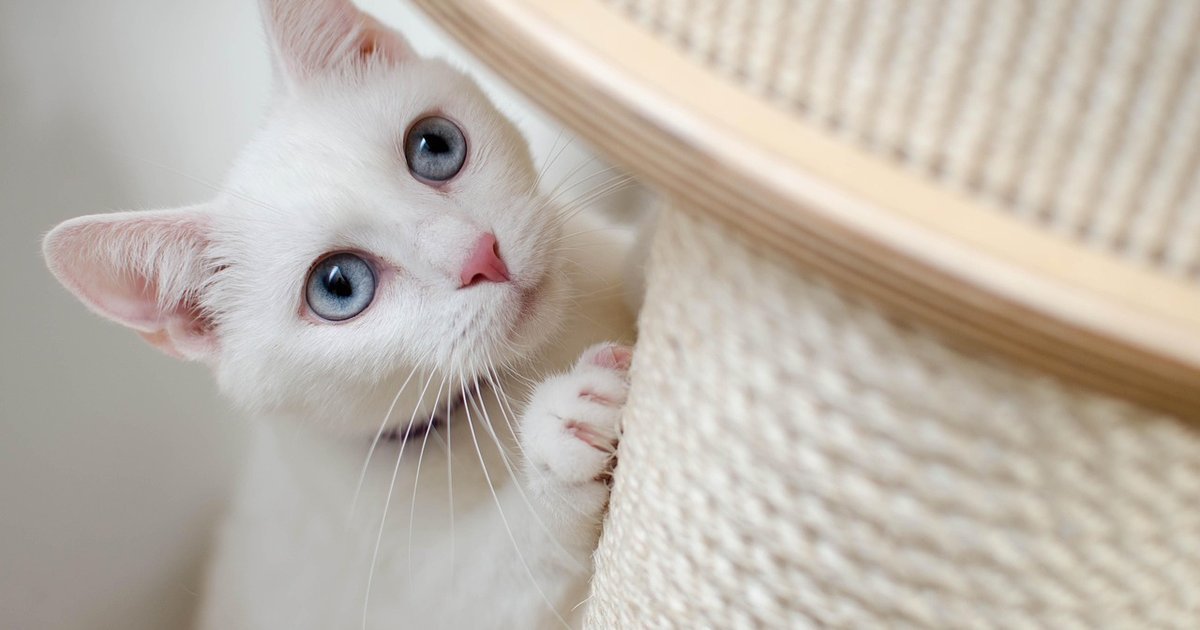
How to Stop a Cat Scratching Furniture
Quick answer: To stop a cat scratching furniture, do not try to stop scratching itself; redirect it. Place sturdy, tall scratching posts and flat scratchers right next to the furniture your cat targets, make the furniture less appealing with covers or double-sided tape, reward your cat for using the post, and keep claws trimmed. Never punish or declaw; scratching is a normal, healthy behaviour that cats need.
Key takeaways
- Scratching is natural: it maintains claws, stretches muscles and leaves scent marks.
- Posts must be tall and stable enough for a full stretch.
- Put scratchers where the cat already scratches, especially near sleeping spots and entrances.
- Make furniture temporarily unappealing rather than punishing your cat.
- Regular claw trims reduce damage while new habits form.
Few things test a cat owner’s patience like discovering fresh claw marks on the sofa. But scratching is not bad behaviour, and your cat is not trying to annoy you. It is a natural, healthy need. The goal is not to stop scratching altogether but to redirect it to places you are happy with. With the right scratching surfaces and a few clever tricks, most cats can be taught to leave furniture alone.
Why Do Cats Scratch?
Understanding the reasons helps you choose the right solution:
- Claw care: scratching removes the old outer layers of the claws and keeps them sharp.
- Stretching: a good scratch stretches the back, shoulders and legs.
- Scent marking: glands in the paw pads leave a scent that says “this is my space”.
- Visual marking: the scratch marks themselves are a signal to other cats.
- Emotional release: cats often scratch when excited, such as when you come home, or to relieve stress.
Because scratching is partly about marking territory, cats often choose prominent objects in shared spaces – which is exactly why the sofa is so tempting.
Step 1: Choose the Right Scratching Post
Many cats ignore scratching posts because the post is wrong for them. Look for:
- Height: tall enough for your cat to stretch fully on its back legs.
- Stability: heavy and solid, so it does not wobble or tip. A wobbly post can scare a cat away for good.
- Texture: sisal rope or sisal fabric is a favourite for many cats. Some prefer cardboard or carpet.
- Direction: some cats like vertical posts; others prefer horizontal scratch pads on the floor. Offer both and watch which your cat uses most.
Step 2: Put Posts in the Right Places
Location is everything. Place a scratching post directly in front of or beside the furniture your cat has been scratching. Add another near where your cat sleeps, since many cats scratch right after waking. Posts hidden in a back room rarely get used. Once your cat reliably uses the new post, you can move it gradually a little to the side if needed.
Step 3: Make the Post Attractive
- Rub a little catnip or silvervine on the post (not all cats respond to catnip).
- Drag a wand toy up and down the post so your cat’s claws catch it during play.
- Praise your cat or offer a treat when it scratches the post.
- Feed treats near the post to build positive associations.
Step 4: Make Furniture Less Appealing
While your cat learns, temporarily make favourite furniture spots less attractive:
- Cover the scratched area with a throw, double-sided sticky tape or a plastic furniture guard.
- Place a scratching post right in front of the area so the “good” choice is the easiest one.
- Close doors to rooms with valuable furniture during the training period.
Avoid deterrents that frighten or hurt your cat, such as spraying water or shouting. These can damage trust and may cause your cat to scratch when you are not there.
Step 5: Keep Claws Trimmed
Trimming just the sharp tips of your cat’s claws every couple of weeks reduces damage if your cat does scratch the wrong thing. Ask your vet or a groomer to show you how. Soft nail caps applied by a vet or experienced groomer are another temporary option for some cats.
Why Punishment Does Not Work
Cats do not connect punishment with the act of scratching itself. Instead, they learn to fear you or to scratch when you are out of sight. Punishment can also increase stress, which may lead to more scratching or other problems like inappropriate urination. Positive redirection is more effective and keeps your relationship strong.
Say No to Declawing
Declawing is not a simple nail trim. It is surgery that removes part of each toe, and it can cause long-term pain, behaviour problems and litter box issues. Many veterinary bodies discourage or oppose it, and it is banned in a number of countries. There are many humane alternatives.
Scratching Linked to Stress or Boredom
If your cat suddenly starts scratching much more than usual, think about what has changed. A new pet, a house move or less playtime can all increase stress. More play, more climbing space and a predictable routine help. Our list of indoor cat enrichment ideas is full of ways to burn off energy.
Choosing Furniture With Cats in Mind
If you are buying new furniture, consider fabrics that are less tempting to scratch. Tightly woven materials, microfibre and smooth leather alternatives tend to attract less scratching than loose, textured weaves that resemble sisal. Place a scratching post next to any new sofa from day one, before your cat develops a habit. For families looking for calmer companions, see our guide to calm indoor cats and expert tips.
Practical Guide: Going Deeper
Scratcher types compared
| Type | Best for | Tip |
|---|---|---|
| Tall sisal post | Vertical stretchers | Heavy base so it never wobbles |
| Flat cardboard scratcher | Cats that scratch rugs | Replace when shredded |
| Angled or ramp scratcher | Mixed preferences | Try near the sofa arm |
| Cat tree with posts | Multi-cat homes, climbers | Place near a window |
| Wall-mounted scratcher | Small spaces | Fix at full-stretch height |
Why Cats Choose Your Sofa
Texture and Height
Sofas are tall, solid and covered in fabric that claws can grip, which is exactly what many cats want. Wobbly or short scratching posts cannot compete, so match or beat the qualities of the furniture.
Scent and Territory
Cats have scent glands in their paws. Scratching a prominent item in a shared room leaves a visual and scent message, which is why cats often scratch near doors, beds and the furniture their people use most.
A Step-by-Step Redirection Plan
Week One: Offer Better Options
Place a post directly in front of or beside the targeted spot, rub it with catnip or silvervine if your cat responds, and use a wand toy to encourage play on it. Cover the furniture spot with a throw or tape.
Weeks Two to Four: Reinforce and Move
Praise and reward every time your cat uses the post. Once it is used reliably, you can move it gradually, a short distance every few days, to a more convenient position, and remove deterrents slowly.
Mistakes That Make Scratching Worse
Punishment
Shouting, spraying water or physically punishing a cat for scratching does not teach it where to scratch. It can make your cat fearful, damage your bond and lead to scratching when you are not around. Interrupt calmly and redirect to the post instead.
Removing All Scratching Options
Declawing is a surgical amputation of the end bones of the toes and is banned or strongly discouraged in many countries because of pain and behavioural side effects. Cats need to scratch, so the goal is always to provide better outlets, not to stop the behaviour.
Scratching in Multi-Cat Homes and Small Spaces
More Cats, More Scratchers
In homes with several cats, provide at least one scratcher per cat plus extras in shared areas, in different styles and heights. Scratching is partly territorial, so cats may compete for prime spots near doors and windows.
Making It Work in a Flat
Wall-mounted scratchers, door-hanging posts and cat trees that double as shelving save floor space. A sturdy scratcher placed next to the sofa usually protects furniture better than a fancy one hidden in a spare room.
Final Thoughts
Saving your sofa does not require stopping your cat from scratching. It means offering scratchers that are more attractive than the furniture, in the right places, and making good choices rewarding. Tall, stable posts, flat scratchers for rug-lovers, temporary furniture protection and regular nail trims solve the problem for most cats within a few weeks. Stay patient, never punish, and remember that a cat with good scratching outlets is a calmer, healthier and more confident companion.
Related reading:
Frequently Asked Questions
Do nail caps work for cats?
Soft nail caps glued onto claws can reduce damage for some cats when applied correctly and replaced as claws grow. They should be fitted carefully, and some cats dislike them.
Why does my cat ignore its scratching post?
Common reasons are that it is too short, wobbly, made of the wrong material or placed in a quiet corner instead of where the cat wants to scratch.
Why does my cat scratch the sofa when it has a scratching post?
The post may be too short, wobbly, in the wrong place or the wrong texture. Try a tall, sturdy sisal post placed right next to the sofa.
Do kittens grow out of scratching?
No. Scratching is a lifelong need. Training kittens early to use posts is the easiest way to protect furniture.
Does citrus spray stop cats scratching?
Some cats dislike citrus smells, but sprays should be used carefully and never on the cat. A better approach is to offer an attractive alternative nearby.
How many scratching posts does a cat need?
Ideally, have at least one post in each main room your cat uses, plus one near its sleeping spot. Multi-cat homes need more.