Low Grooming Cat Breeds
Finding a furry companion that requires minimal upkeep can feel almost impossible when it comes to cats. The multitude of breeds available, each with their own grooming rituals, can quickly overwhelm even the most seasoned cat lover. However, many breeds are naturally low‑maintenance, featuring short coats, minimal shedding or a special fiber that resists matting. In this article we’ll explore the top low grooming cat breeds, the benefits of choosing a low‑maintenance pet, and practical care tips to keep your feline friend content and healthy. Whether you live in a bustling apartment or simply love the idea of a quiet, low‑maintenance cat, discovering a low grooming cat breed can turn your dream of effortless companionship into reality.
Why Low Grooming Cats Matter
Living in a busy household or managing a hectic schedule often means you don’t have hours each day to devote to a pet’s grooming cycle. Low grooming cats provide the perfect solution for anyone who prefers a hands‑off approach that still delivers blind joy. These breeds thrive on minimal brushing, occasional light cleaning, and a clean indoor environment. By choosing a low grooming cat breed you reduce the likelihood of hair buildup, reduce allergen spread and make the overall pet care routine easier to maintain.
Top Low Grooming Cat Breeds
- American Shorthair – The quintessential family cat, American Shorthairs are robust, affectionate, and prized for their short, dense coat that sheds minimally. Their grooming needs are limited to a brief brush once a week or every other week, making them ideal for pet owners who prefer a low-maintenance pet.
- Exotic Shorthair – Also known as the “pillow cat,” their plush, dense hair requires minimal brushing. They shed sparingly and only demand occasional cleaning of soft pools around the face and ears. Combined with their calm personality, they’re a very attractive low grooming breed.
- Siamese – Siameses have a sleek, short coat that rarely clumps, letting them largely escape the intrusiveness of traditional grooming. They are incredibly bond‑oriented, so they tend to self‑clean before they’d start shedding hair onto your sofa.
- Russian Blue – Their short, fine, silvery coat feels luxurious to the touch and sheds very little. Regular brushing is needed only during seasonal shedding, but overall upkeep remains minimal.
- British Shorthair – A hardy, round‑faced breed that thrives on low grooming. The coat has a thick texture yet does not tangly—simple brushing provides the full spectrum of care.
- Bengal – Known for an energized, feral look and a short, lustrous coat. Bengals shed less than many breeds, especially during non‑seasonal periods, and only need brief weekly grooming to keep their coat flat and glossy.
Grooming Tips for Low Maintenance Cats
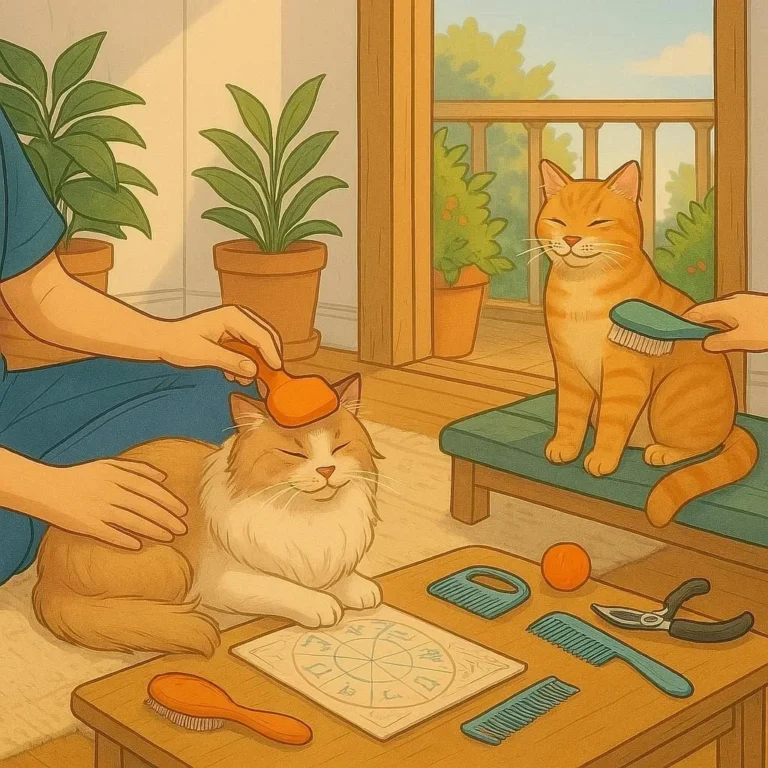
Even breeds that demand minimal grooming still need routine care to stay healthy. Below are simple care steps that keep even the most low‑maintenance cat in tip‑top shape:
- Apply a gentle, non‑peptide cat shampoo once a month during the shedding season.
- Use a soft bristle brush once every week for easy shedding control.
- Check ears nightly for clean, grit‑free wax and clean with a vet‑approved solution.
- Trim paw pads and nails if they start to grow longer than the tip of the paw.
- Keep a sink stocked with lukewarm water for a quick rinse if a pet becomes overly hair‑laden.
Because these breeds shed sparsely, you’ll notice less litter box maintenance, and you’ll owe less home cleaning. A simple vacuuming routine is often sufficient to keep lint from evading your household.
Choosing the Right Low Grooming Cat for Your Lifestyle
Online resources emphasize matching a cat’s energy levels and temperament with the environment in which they’ll live. For instance, a high‑energy breed such as the Bengal may need more interactive playtime, while a bent low‑energy cat can thrive in an apartment setting with minimal space. Carefully consider whether you’ll be at home during daylight hours, as cats love to keep themselves clean with regular self‑grooming. Additionally, think about allergy status—certain low grooming breeds could still trigger allergic reactions if you’re sensitive to dander.
Conclusion and Call to Action: Arranging an introduction to a low grooming cat breed can provide a hassle‑free, joyful addition to any home. Their balanced mix of affectionate nature and easy upkeep makes them the ideal companion for busy individuals, families and those who appreciate the freedom of a low‑maintenance pet. If you’re ready to bring such a cat into your life, explore local shelters, responsible breeders or reputable rescue groups that specialize in these gentle horse‑hair courts.
Take the next step now – visit a nearby animal rescue, volunteer for a cat adoption event or start researching breeding organisations. A low grooming cat could soon call your couch its territory and serve as a forever friend with zero grooming headaches.
Frequently Asked Questions
Q1. What makes a cat low grooming?
A low grooming cat typically features a short, dense coat that sheds minimally and rarely mats, allowing owners to keep the coat clean with only occasional brushing. These cats usually have short fur that does not tangle even after a little grooming. Because of their coat structure, they often do not need regular haircuts or extensive grooming sessions. They are a good fit for owners who want a cat that stays clean with minimal effort. Regular check‑ups can still help catch any hidden health issues.
Q2. Which low grooming breeds are best for apartment living?
Breeds such as the American Shorthair, British Shorthair, and Exotic Shorthair thrive in smaller spaces as they are relatively calm, require little playtime, and need only light grooming. They also tend to be independent, which works well when owners are not home much. Their sturdy build ensures they stay healthy in a confined environment. Their low shedding also means less clean‑up on couches and carpet. They are often good with other indoor pets as well.
Q3. Do low grooming cats still need regular vet visits?
Yes, even low grooming breeds benefit from routine veterinary care. Regular check‑ups can catch dental, skin, and other health problems early. Vaccinations, parasite prevention, and vaccinations are essential for all cats. Even short‑haired cats can develop allergies or other conditions that require treatment. Scheduled vet visits help maintain long‑term wellbeing.
Q4. Are low grooming breeds hypoallergenic?
While no cat breed is 100% hypoallergenic, breeds such as the Russian Blue and Exotic Shorthair produce fewer allergens and may be better suited for people with mild sensitivities. They produce less dander and shed less. Some owners with allergies still experience symptoms. Monitoring allergy levels after an introduction is wise. Consulting an allergist can also help choose the right breed.
Q5. How do I introduce a low grooming cat to a household with other pets?
Introduce the new cat gradually by keeping it in a separate room initially. Provide separate feeding and litter areas to reduce territorial stress. Over time, allow short supervised visits to let each pet get used to the other’s scent. Keep the first interactions brief to reduce stress. Positive reinforcement helps both cats become comfortable.