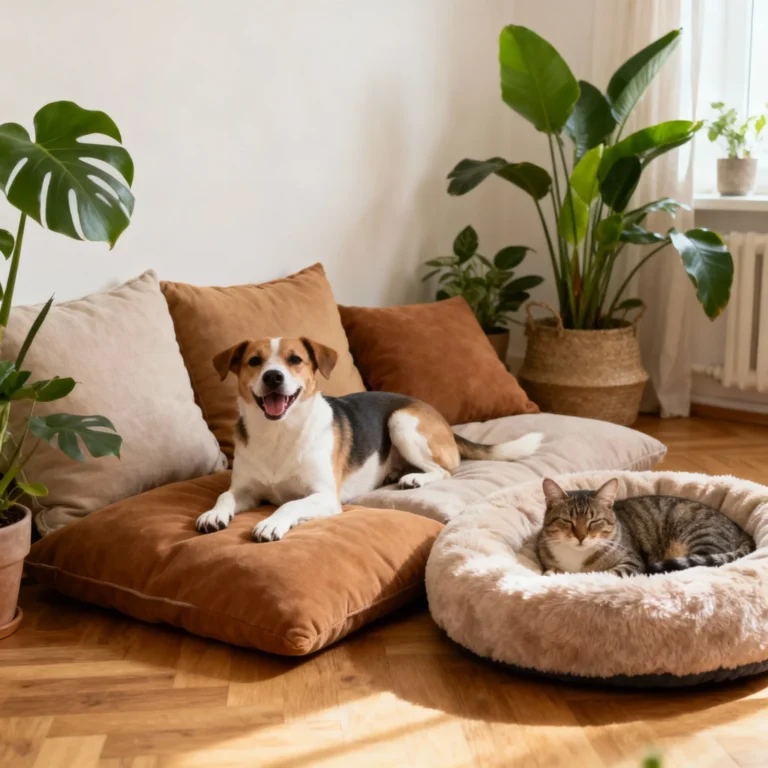
How to Keep Your Dog Calm During Diwali Fireworks: 12 Vet-Approved Tips
Diwali is one of the brightest, loudest festivals of the year, and for many dogs it is also one of the most stressful. Sudden bangs, flashes of light and the smell of smoke can send even a confident dog into panic. If your dog trembles, hides or tries to bolt when the crackers begin, you are not alone, and there is a lot you can do to help. This guide shares 12 practical, vet-approved tips to keep your dog calm during Diwali fireworks.
Why Fireworks Frighten Dogs
Dogs hear frequencies far higher than people do and can detect sounds from much farther away. A firecracker that seems merely loud to us can feel painfully intense to them. Because the noise is unpredictable and comes with flashes and strange smells, dogs cannot make sense of it, so their fight-or-flight response kicks in. Typical signs include panting, pacing, drooling, shaking, barking, hiding and destructive behaviour. If you want to learn more about spotting stress early, read our guide on signs of anxiety in dogs.
12 Vet-Approved Tips to Keep Your Dog Calm
1. Prepare Well Before Diwali
Start a week or two ahead. Make sure your dog’s microchip details and ID tag are up to date, and take a clear recent photo in case you need to search for a lost pet. Talk to your veterinarian early if your dog has a history of noise fear.
2. Create a Safe Den
Choose a quiet interior room or a covered crate and make it cosy with a favourite bed, blankets and familiar toys. Let your dog visit it freely in the days before the festival so it becomes a place of comfort rather than confinement.
3. Walk Your Dog Early
Exercise your dog in daylight, well before the evening celebrations begin. A tired dog copes better, and a toilet break before dark means you will not need to step outside while crackers are going off.
4. Keep Windows and Curtains Closed
Close windows, doors and curtains to muffle the sound and block flashes of light. Turning on lights inside also reduces the contrast of the flashes.
5. Mask the Noise
Play calming music, a television show or white noise at a moderate volume. Studies and veterinary experience suggest that slow, soft music can lower stress in dogs. Do not turn the volume up so high that it adds to the problem.
6. Stay Home With Your Dog
Your presence is the best comfort. If you must go out, ask a trusted family member to stay. Never leave a frightened dog alone on a terrace, balcony or tied up outside.
7. Stay Calm Yourself
Dogs read our emotions. Speak in a relaxed voice, move normally and act as if nothing unusual is happening. Gentle petting is fine if your dog seeks it, but do not force attention on a dog that wants to hide.
8. Offer Distractions and Chews
Stuffed food toys, lick mats and long-lasting chews give your dog something positive to focus on. Choose items that are safe for your dog’s size and supervise them.
9. Try a Pressure Wrap
Snug-fitting anxiety wraps apply gentle, constant pressure that some dogs find soothing. Introduce the wrap days earlier so your dog is comfortable wearing it.
10. Use Calming Aids With Veterinary Advice
Pheromone diffusers, calming supplements and, in severe cases, prescribed medication can help. Always consult your vet first. Never give human medicines or sedatives without professional guidance, as many are dangerous for dogs.
11. Keep Fireworks and Food Out of Reach
Unlit crackers, matches, diyas, candles and festive sweets can all harm a curious dog. Chocolate, raisins, nuts and sugar-free sweets containing xylitol are especially toxic. Keep decorations and leftovers well out of reach.
12. Build Long-Term Confidence
Noise sensitivity improves with gradual desensitisation. Throughout the year, play recordings of fireworks at a very low volume while giving treats, and increase the level slowly over weeks. A well-socialised dog is generally more resilient too, so see our tips on how to socialise a puppy successfully.
What to Do if Your Dog Escapes
Frightened dogs can bolt through an open gate or door. Keep gates latched, use a secure leash and harness for any outdoor trip, and keep your dog away from the entrance when guests arrive. If your dog does run off, search quiet nearby spots, alert neighbours, and post the photo and your contact details in local community groups right away.
When to Call the Vet
Contact your veterinarian if your dog shows extreme panic, injures itself, refuses food for more than a day, or remains anxious long after the noise stops. Persistent noise phobia is treatable, and early help prevents it from worsening each year.
Frequently Asked Questions
Should I comfort my dog when it is scared of fireworks?
Yes. Comforting a frightened dog does not reinforce fear. Stay close, stay calm and let your dog choose whether it wants contact.
Can I give my dog a sedative during Diwali?
Only if your veterinarian prescribes it after examining your dog. Over-the-counter and human sedatives can be unsafe, so always get professional advice well before the festival.
How long does firework stress last in dogs?
Many dogs settle within a few hours after the noise ends, but some stay unsettled for a day or two. If anxiety lasts longer, speak to your vet about a longer-term plan.
Final Thoughts
With a little planning, a safe space and plenty of reassurance, your dog can get through Diwali far more comfortably. Start preparing early, stay close and ask your vet for help if your dog struggles. A calm dog means a happier festival for the whole family.
This article is for general information only and is not a substitute for professional veterinary advice. Please read our Disclaimer.