Signs of Anxiety in Dogs
Signs of Anxiety in Dogs often start subtly, confusing even seasoned pet owners. A dog that once barked at the vacuum now sits quietly and circles the room, or a companion that used to jump for joy now hides under furniture. Recognizing these nuanced behaviors early is key to preventing chronic stress and improving overall pet health. Below, we delve into the most common indicators, explain why they matter, and outline practical, evidence‑based solutions that can be implemented at home or in collaboration with a professional.
Common Signs of Anxiety in Dogs
- Whining or Soft Barking: Persistent high‑pitched vocalizations often signal distress.
- Excessive Panting: Dogs may pant rapidly even without heat or exertion, reflecting internal tension.
- Destructive Chewing or Digging: Unusual gnawing of furniture, shoes, or digging in corners can indicate nervousness.
- Loss of Appetite or Overeating: Diet changes frequently accompany anxiety.
- Body Language Cues: Tail tucked between legs, ears flattened, or avoidance of eye contact are classic signs.
- Hyper‑reactive Hisses or Growls: Defensive vocalizations when approached, especially after an incident.
While many behaviors overlap with illness, consistent reports of at least one of these symptoms should prompt further discussion with a veterinarian, who can rule out medical causes and provide context for behavioral choices. The American Veterinary Medical Association (AVMA) encourages documentation of incidents for review, ensuring an accurate assessment of your dog’s emotional state.
Underlying Causes: Why Dogs Experience Anxiety
Just as humans grapple with stressors, dogs have complex triggers. Common causes include:
- Separation Anxiety: The classic scenario where a dog feels distressed when left alone, leading to destructive behavior.
- Noise Sensitivity: Loud events—such as thunderstorms, fireworks, or car engines—can produce a startle reflex.
- Social Isolation: A change in household members or inadequate socialization can prompt apprehension.
- Medical Pain or Illness: Chronic conditions such as arthritis or thyroid disorders can contribute to uncomfortable moods.
- Environmental Stressors: Moving to a new home, renovating, or crowded spaces may overwhelm a dog’s usual routine.
Understanding the root source is vital; treatment tends to be most effective when mapped to the specific trigger. For instance, a dog with noise sensitivity might benefit from desensitization training, whereas a pet suffering from physical discomfort should receive appropriate medication tailored by a licensed veterinarian.
Behavioural Therapy and Medications: Effective Treatment Strategies
Combining classical therapy methods with, when necessary, medication is often the most successful approach. Below are proven, research‑backed interventions:
- Positive Reinforcement Training: Reward-based programs help restructure associations—e.g., giving treats while a dog remains calm during a thunderstorm.
- Desensitization & Counter‑Conditioning: Gradually exposing a dog to a trigger in a controlled setting while pairing it with something pleasurable.
- Dog‑Calming Tinctures: Natural supplements containing L‑tryptophan or valerian root may ease stress without pharmaceutical sequestration.
- Prescription Medications: Selective serotonin reuptake inhibitors (SSRIs) and buspirone are frequently prescribed for severe anxiety following veterinary evaluation.
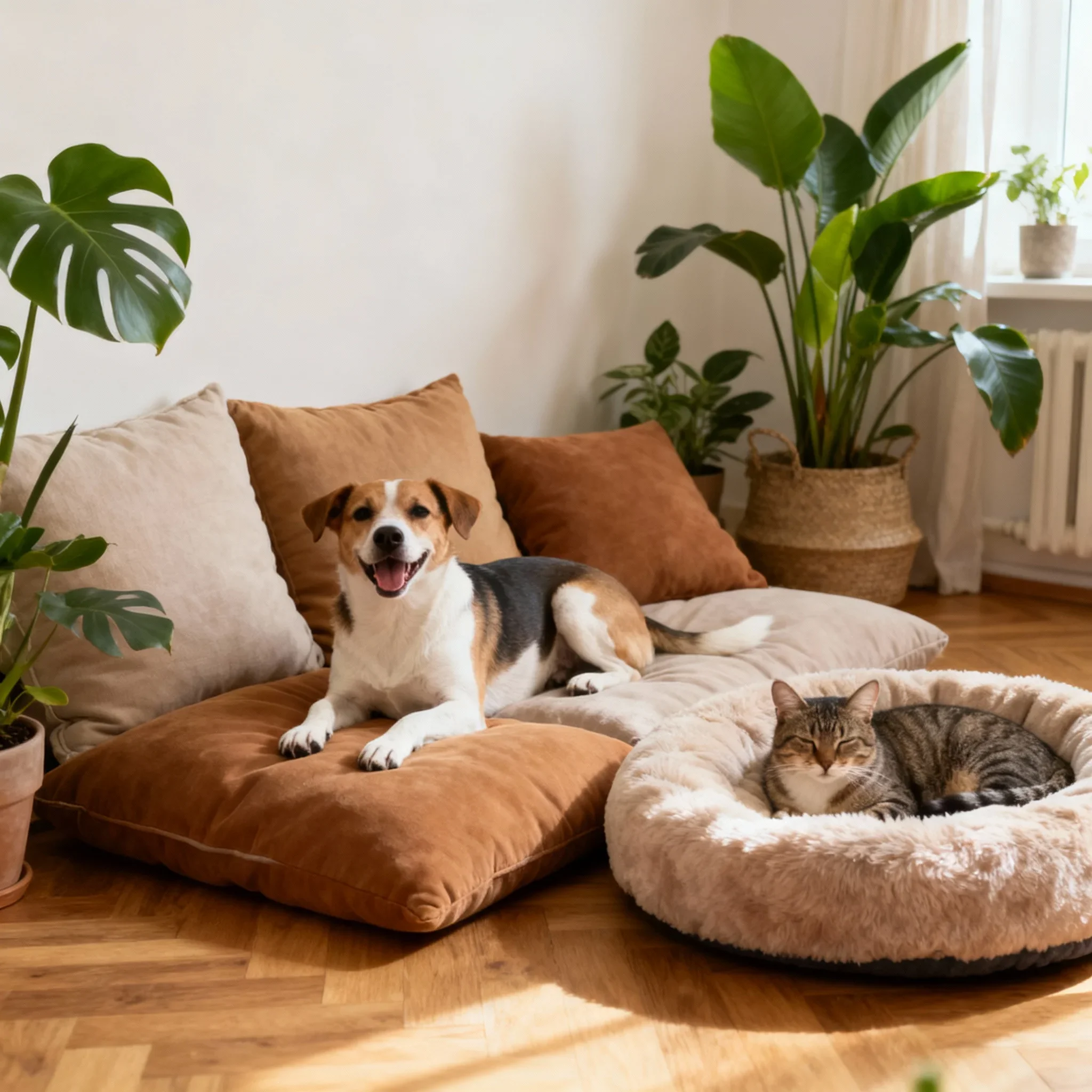
- Environmental Modification: Creating a safe “safe zone” with familiar blankets, toys, and quiet acoustics reduces anxiety triggers.
Veterinary professionals such as those from the American Animal Hospital advise a plan that integrates both at‑home adjustments and, when warranted, medication. Direct monitoring for adverse medication reactions and iterative dose adjustments are essential practices for sustained symptom relief.
Home‑Based Solutions: Creating a Calming Routine
Even with professional guidance, the day‑to‑day care you provide can drastically influence an anxious dog’s wellbeing. Here are three actionable modifications for any household:
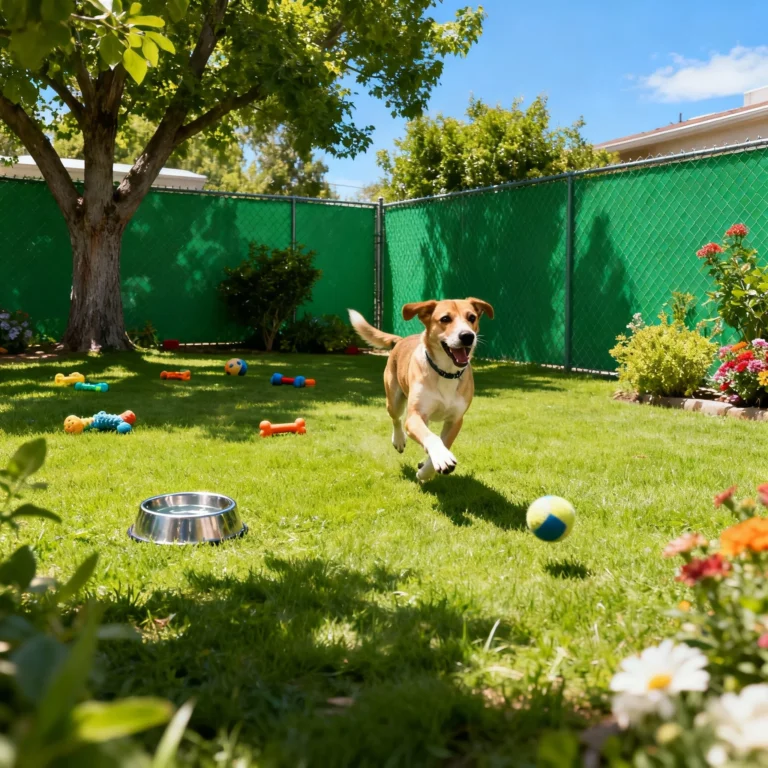
- Structured Exercise: A predictable walk or playtime session helps expend pent‑up energy and establish a calming rhythm.
- Consistent Feeding Schedule: Little shifts in meal times can destabilize a dog’s internal clock; consistent meals provide a sense of security.
- Use of Calming Aids: Diffusers with 24‑hour release of dog‑friendly chamomile or lavender create a subtle but persistent therapeutic scent environment.
Moreover, dedicating a portion of each day for gentle petting or visual engagement can reinforce a positive emotional bond. Simple practices such as “pet‑time” rituals—human contact timed with a calm tone—tap into deep affective pathways, reinforcing safe attachments.
For those seeking extensive information, the American Kennel Club provides extensive guides on canine anxiety, while the Texas A&M Veterinary Health site offers an evidence‑based overview of stress relief here. Educating yourself through scholarly sources—such as the Google Scholar database—ensures you remain updated on cutting‑edge therapies.
Conclusion: Empowering You and Your Dog Toward Calmness
Recognizing Signs of Anxiety in Dogs with diligence and initiating targeted solutions can transform a fraught pet into a peaceful companion. Whether you employ behavioral training, mediate the environment, or collaborate with a veterinarian, consistent care provides a pathway to reduced stress, improved health, and deeper bond.
Take the first step today: schedule a vet visit, start a calming routine, and track your dog’s progress. Your partnership in this journey can reshape countless moments of canine life—turning anxious sighs into serene tail wags.