Best Family Cats with Temperament
The quest for the perfect feline companion often centers on temperament, size, and compatibility with household dynamics. In today’s crowded pet market, families can feel overwhelmed trying to identify a cat species that balances affection, playfulness, and adaptability. The best family cats are those that exude patience, enjoy human interaction, and coexist harmoniously with children and dogs. This guide reviews the leading family‑friendly breeds, highlights their unique personalities, and provides actionable tips for prospective owners focusing on longevity, grooming, and health.
Maine Coon: Gentle Giant
- Size and Presence: Maine Coons are the largest domestic breed, averaging 8–15 lb for females and 12–20 lb for males. Their broad chest and tufted ears give them a gentle‑big look that commands affection rather than fear.
- Temperament Profile: Known for their playful yet patient nature, Maine Coons treat children like friends. They enjoy puzzle toys and interactive play without being overly demanding of attention.
- Social Compatibility: Their high tolerance for simultaneous stimuli—multiple family members, noisy cars, and bustling kitchens—makes them robust in high‑traffic households.
- Longevity and Health: With proper care, Maine Coons live 12–18 years. Grooming is essential due to long, dense fur; weekly brushing helps reduce shedding and skin irritation.
- Ideal Home: A household with an active child or a dog-filled environment works best, as Maine Coons are affectionate companions who thrive on routine and gentle touch.
Ragdoll: The Snuggle Cat
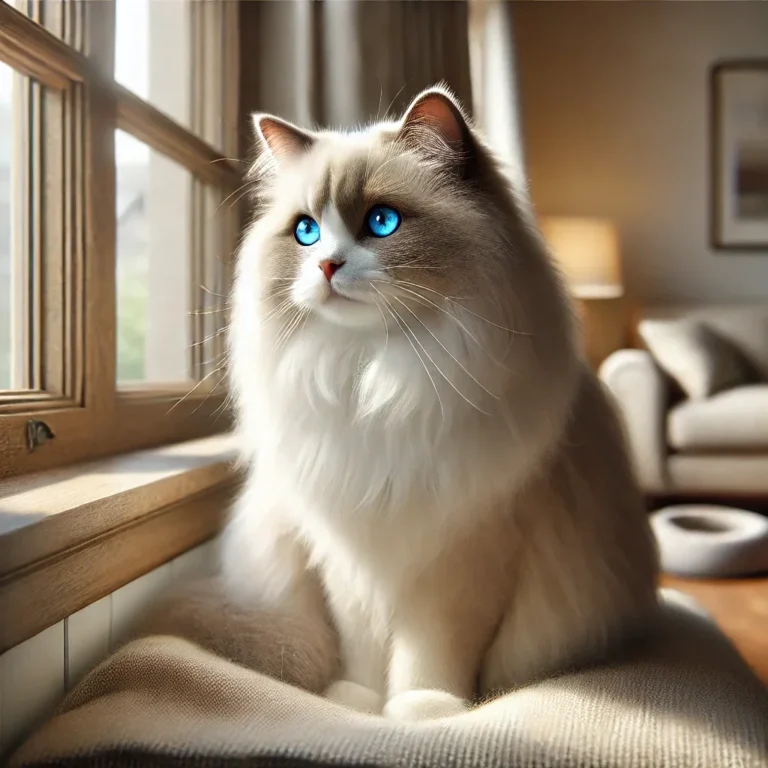
- Temperament Profile: Ragdolls are famous for their docility; they go limp when lifted, showcasing confidence and calmness.
- Size and Presence: Medium to large in build, they can weigh up to 15 lb and have a plush coat that feels like a plush pillow when stroked. Their striking blue eyes add to their celebrity look.
- Interactive Play: Ragdolls enjoy interactive toys but often prefer the company of their favorite human. They thrive on physical closeness and are not typically lap cats for toddlers, which can reduce destructive play.
- Coexistence with Dogs: Their low aggression level means they are usually fine with calm dogs, particularly if introduced early and supervised.
- Lifetime Care: Ragdolls require grooming 2–3 times a week to keep fur mat‑free. Their heritable health issues like hypertrophic cardiomyopathy necessitate routine veterinary checks.
Birman: The Serene Companion
- Soft Temperament: Birmans are affectionate, patient, and easily socialized, making them excellent for families with toddlers and older adults alike.
- Play and Interaction: They’re playful but not hyperactive; they do well with safe, nonscratch toys and interactive play sessions. Birmans exalt when included in family storytelling.
- Family Dynamics: Birmans are particularly gentle around other pets and are not shy around bakers or new persons. Their calm demeanor lessens any house anxiety for first‑time cat owners.
- Grooming and Care: Medium to long‑haired but relatively low‑maintenance; regular brushing removes loose hair and keeps skin healthy.
- Health Considerations: Though Birmans develop kidney issues later in life, early detection through regular vet visits can extend their lifespan well into the teens.
British Shorthair: The Steady Friend
- Disposition: Known for their calm steadiness, British Shorthairs rarely become overwhelmed by family activity. They prefer softer, more rhythmic interactions.
- Adaptability: Their low energy and gentle nature fit well with households that want a quiet cat that can adapt to both day‑time excitement and night‑time calm.
- Dog‑Friendly Ability: The British Shorthair’s composed temperament allows them to coexist peacefully with dogs—provided that introducing is gradual.
- Low Grooming Burden: Their short coat requires a quick weekly brush; they shed more in spring and autumn than in winter.
- Longevity: Typically live 12–18 years with balanced diet and regular vet check‑ups.
American Shorthair: The Reliable Choice
- Versatility: The American Shorthair balances playfulness with calmness, ideal for both single homes and multi‑pet households.
- Play Style: They enjoy chase toys and stalking plush toys but often need a break; they are not in persistent pounce mode.
- Cheerful Interaction: Their friendly, low‑maintenance coat adapts to various climates, and they avoid the sensitive grooming demands of long‑haired cats.
- Dog Compatibility: American Shorthairs are dog‑friendly, especially if introduced early in life. Their adaptive nature reduces common conflicts.
- Health & Longevity: They often reach 15–20 years of age with routine check‑ups and vaccinations.
How to Choose the Right Temperament
When selecting a family cat, consider these key factors: a cat’s activity level, grooming needs, dog compatibility, and health predispositions. A reliable strategy is to visit reputable breeders or shelters and observe the adult cat’s behavior with children, other dogs, and noise. Many shelters maintain ASPCA certified intake procedures to ensure a healthy transition for both cat and family.
Keep Your Family Cat Healthy
- Vaccinate against rabies, feline panleukopenia, and feline calicivirus.
- Schedule annual toxoplasmosis screening for households with young kids or pregnant women.
- Employ a balanced diet of vet‑recommended foods and monitor weight regularly.
- Provide regular playtime of 10–15 minutes daily to burn excess energy.
- Use cage training or puzzle feeders to prevent obesity and encourage mental stimulation.
Consult with a feline specialist if you notice sudden changes in appetite, litter box behavior, or vocalization, as these often foreshadow underlying medical issues. Maintaining a proactive veterinary schedule ensures early detection and better outcomes.
Wrap‑Up: Choose Your Ideal Family Cat
In the cat–lover’s quest for the best family cats with temperament, the Maine Coon, Ragdoll, Birman, British Shorthair, and American Shorthair stand out for their unique attributes. By matching your home dynamics and personal lifestyle, you’ll boost both your family’s and your future cat’s happiness. Consult respected resources such as NCBI for breed‑specific health data, or reference scholarly articles cited on Wikipedia for detailed history.
Ready to welcome a calm and affectionate feline into your life? Explore certified shelters today, or contact a reputable breeder to start your journey with a family‑friendly cat tailored to your household. Your new furry friend and your family will thank you.
Frequently Asked Questions
Q1. What makes a cat suitable for families with children?
A good family cat is patient, tolerant of petting and play, and enjoys companionship. These breeds typically have gentle dispositions and are comfortable with gentle handling by toddlers and young adults. Owners should look for cats that display consistent friendliness toward people, including strangers, and can adapt to a bustling household. The cats listed here—Maine Coon, Ragdoll, Birman, British Shorthair, and American Shorthair—share these child‑friendly traits.
Q2. How do Maine Coons handle noisy environments?
Maine Coons are known for their high tolerance of multiple stimuli. They rarely react negatively to loud noises, car horns, or household activity, making them ideal for active families. Their calm presence keeps the home atmosphere balanced even during chaotic moments.
Q3. Are Ragdolls good with dogs?
Ragdolls are generally low‑aggression and calm around other animals, including dogs. Successful introductions depend on early socialization and supervision. Pet owners should keep interactions gradual, introduce with positive reinforcement, and watch for any signs of discomfort.
Q4. Which of these breeds requires the most grooming?
Long‑haired breeds like the Maine Coon and Birman need more frequent brushing to prevent matting and shedding. Ragdolls also require regular grooming, especially around ears and face. In contrast, short‑haired breeds such as the British Shorthair and American Shorthair need minimal maintenance.
Q5. What health screenings should families do before adopting?
Before adoption, families should request a veterinary exam that checks for common feline diseases, such as FIV, FeLV, and hypertrophic cardiomyopathy. Vaccinations for rabies, feline panleukopenia, and calicivirus should be up to date. A toxoplasmosis test is recommended for homes with young children or pregnant women.