Bringing Home a Kitten: First Week Checklist
Bringing home a kitten is pure joy: tiny paws, curious eyes and endless energy. It is also a big change for a small animal that has just left its mother and littermates. A little preparation makes the first week smoother and helps your kitten grow into a confident, friendly cat. Use this checklist to get your home ready and to plan the first days.
Before Your Kitten Arrives: Shopping List
- Food: ask the breeder or shelter what your kitten currently eats and buy the same kitten food to start with.
- Bowls: shallow, easy-to-clean bowls for food and water.
- Litter box and litter: a low-sided box and an unscented, kitten-safe litter.
- Carrier: a sturdy carrier for the trip home and vet visits.
- Bed: a soft, warm bed, ideally with raised sides or a covered top.
- Scratching post: a stable post or pad from day one.
- Toys: wand toys, small balls and soft toys without loose parts.
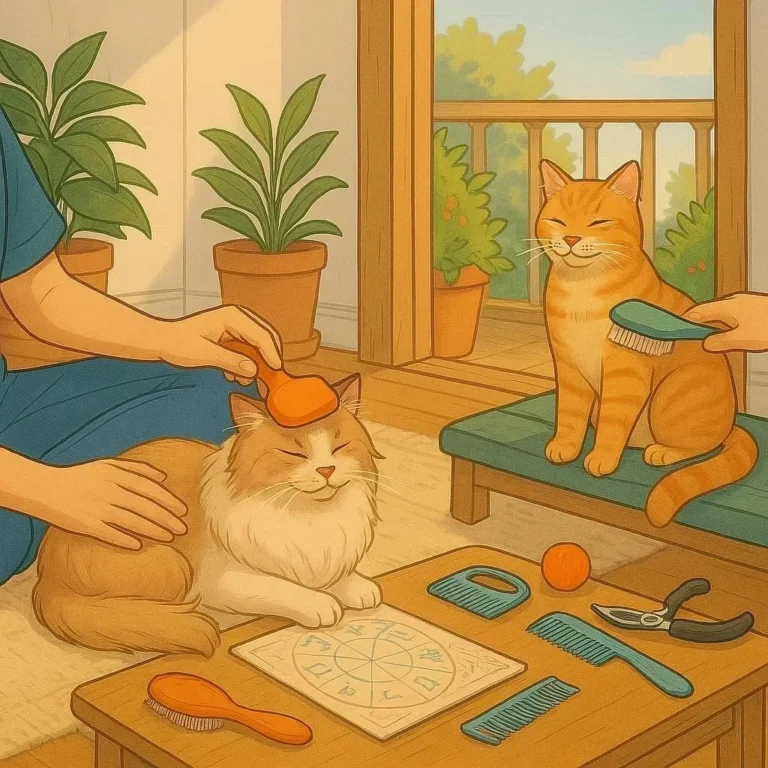
- Grooming tools: a soft brush and kitten nail clippers.
Kitten-Proofing Your Home
Kittens can squeeze into tiny spaces and chew things they should not. Before arrival:
- Tuck away electrical cables and phone chargers.
- Block gaps behind appliances and furniture.
- Keep toilet lids down and washing machine doors closed.
- Secure windows and balcony doors with screens or netting.
- Remove toxic plants. Our guide to plants toxic to cats lists common ones to avoid.
- Put away string, rubber bands, hair ties and sewing supplies.
- Store medicines and cleaning products in closed cupboards.
Set Up a Starter Room
Instead of giving your kitten the whole house at once, start with one quiet room. Put the bed, food and water, litter box and a few toys there. Keep food and water away from the litter box. This small territory helps your kitten feel safe and learn where everything is.
Day One: Keep It Calm
Place the carrier in the starter room, open the door and let your kitten come out when it is ready. Sit quietly on the floor and let it explore. Limit visitors on the first day; meeting the whole family and neighbours at once can be overwhelming. Show your kitten the litter box once it has settled. Our step-by-step guide to litter training a kitten explains how to help it learn quickly.
Feeding in the First Week
Feed your kitten the same food it had before, at regular times. Kittens have small stomachs and high energy needs, so they usually eat several small meals a day. If you want to change foods, do it gradually over a week or more to avoid stomach upsets. Always provide fresh water. Cow’s milk is not necessary and can cause diarrhoea in many cats.
Your First Vet Visit
Book a vet appointment in the first week, even if your kitten seems healthy. The vet will:
- Do a general health check.
- Discuss a vaccination schedule.
- Plan deworming and flea control.
- Talk about microchipping and the right time for spaying or neutering.
Bring any records you received from the breeder or shelter.
Handling and Building Trust
Short, gentle handling sessions help kittens become comfortable with people. Let your kitten approach you, stroke it softly and offer treats. Gradually get it used to having its paws, ears and mouth touched, which will make grooming and vet visits easier later. Children should sit on the floor when holding a kitten and always be supervised.
Play and Socialisation
Kittens learn about the world through play. Use wand toys rather than hands, so your kitten does not learn that fingers are prey. Gently introduce everyday sounds and experiences such as the vacuum cleaner, the doorbell and visitors, keeping each experience positive. The early weeks are an important time for socialisation.
Introducing Other Pets
If you have other pets, keep them separate at first and introduce them slowly. Swap bedding to share scents, then allow supervised meetings. Never leave a kitten alone with a dog or adult cat until you are sure they get along.
Sleep and the First Nights
Kittens sleep a great deal – often most of the day – in short bursts between play sessions. At night, your kitten may cry because it misses its littermates. A warm bed with a soft blanket that smells of its old home, a ticking clock or a covered hot water bottle (not too hot) can provide comfort. Play an energetic game before bedtime and offer a small meal so your kitten is ready to settle.
Setting Up a Simple Routine
Kittens settle faster when their days follow a pattern. Try to feed, play and clean the litter box at roughly the same times each day. A typical rhythm might be breakfast and a short play session in the morning, quiet naps through the day, another meal and a longer play session in the evening, and a final small meal before bed. Predictable routines reduce stress and make house rules easier to learn.
Keeping a Kitten Health Notebook
Keep a small notebook or phone note with your kitten’s weight, vaccination dates, deworming dates, food brand and any questions for the vet. Kittens grow quickly, so weekly weigh-ins help you check that your kitten is gaining weight steadily. Having everything in one place also makes vet visits faster and helps if someone else needs to care for your kitten while you are away.
FAQ
At what age can a kitten leave its mother?
Many experts recommend that kittens stay with their mother and littermates until at least eight weeks, and often longer, to develop social skills.
Should my kitten sleep with me?
That is a personal choice. If you prefer not, give your kitten a warm, cosy bed in a quiet place and stick to the routine.
How much should a kitten eat?
Kittens usually need several small meals a day. Follow your vet’s advice and the feeding guide for your kitten food.
When should I take my new kitten to the vet?
Book a check-up within the first week to discuss vaccinations, deworming and general health.