How to Clean Your Dog’s Ears and Spot Ear Infections
Quick answer: To clean your dog’s ears, use a vet-approved dog ear cleaner, gently fill the ear canal, massage the base of the ear for about 20 to 30 seconds, let your dog shake, then wipe away loosened wax and debris from the outer ear with cotton wool or gauze. Never push cotton buds into the canal. Stop and see a vet if you notice redness, swelling, a strong smell, discharge or pain.
Key takeaways
- Only clean ears when needed; over-cleaning can cause irritation.
- Use a dog-specific, vet-recommended ear cleaner.
- Never insert cotton buds deep into the ear canal.
- Floppy-eared and swimming dogs often need more frequent checks.
- Pain, smell, discharge or head shaking needs a vet visit.
Ear problems are one of the most common reasons dogs visit the vet. Dogs’ ear canals are shaped like an “L”, running down and then inwards, which can trap moisture, wax and debris. Breeds with floppy ears or hairy ear canals are especially prone to trouble. Regular checks and gentle cleaning, when needed, help keep ears healthy and allow you to spot problems early.
Does Your Dog Need Its Ears Cleaned?
Many dogs have naturally clean ears and need little more than a weekly check. Others need regular cleaning. Dogs more likely to need routine ear care include:
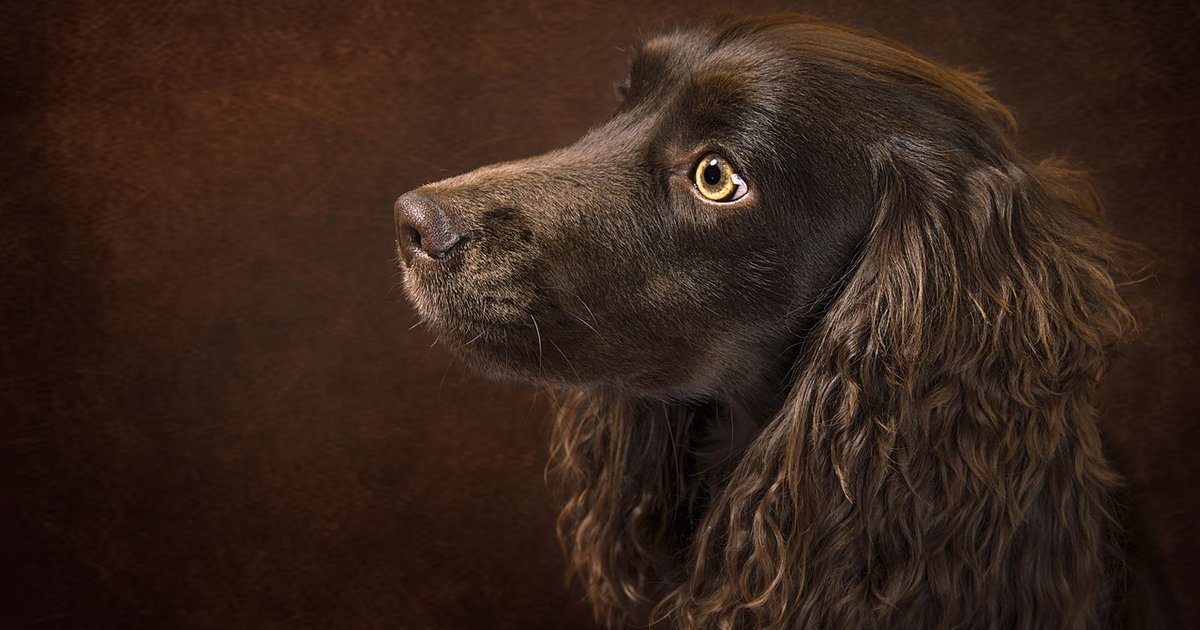
- Breeds with long, floppy ears such as Cocker Spaniels, Beagles and Basset Hounds.
- Dogs with hairy ear canals, like Poodles and Shih Tzus.
- Dogs that swim or are bathed often.
- Dogs with allergies, which commonly affect the ears.
Our complete Beagle care guide covers ear care for one of the breeds that needs it most.
How to Check Your Dog’s Ears
Lift each ear flap in good light and look inside. A healthy ear is pale pink, with little or no wax and no strong smell. Check once a week, ideally during a calm cuddle so your dog gets used to having its ears handled.
Warning Signs of an Ear Infection
Contact your vet if you notice:
- Head shaking or tilting.
- Scratching at the ears.
- Redness or swelling inside the ear.
- Dark brown, yellow or bloody discharge.
- A strong, unpleasant smell.
- Pain when the ear is touched.
- Loss of balance or unusual eye movements.
Do not clean an ear that looks infected or painful before a vet has examined it. Some cleaners can sting inflamed ears, and if the eardrum is damaged, certain products can cause harm.
What You Will Need
- A dog ear cleaner recommended by your vet.
- Cotton wool balls or soft gauze.
- Treats.
- A towel, because head shaking can be messy.
Avoid cotton buds, which can push debris deeper and damage the ear canal. Do not use alcohol, hydrogen peroxide or homemade mixtures unless your vet specifically advises them, as they can irritate the delicate skin.
Step-by-Step: Cleaning Your Dog’s Ears
- Choose a relaxed moment, perhaps after a walk.
- Hold the ear flap up gently to straighten the ear canal.
- Fill the canal with cleaner as directed on the label, without pushing the bottle tip into the ear.
- Massage the base of the ear for about 20 to 30 seconds. You should hear a squishing sound as the cleaner loosens wax.
- Step back and let your dog shake its head. This brings debris up from the canal.
- Wipe the visible parts of the ear and the entrance to the canal with cotton wool. Do not go deeper than you can see.
- Reward your dog with praise and a treat.
- Repeat on the other ear with fresh cotton wool.
How Often to Clean
Over-cleaning can irritate ears, so follow your vet’s advice. Dogs with healthy ears may only need occasional cleaning when they look dirty. Dogs prone to ear problems may need cleaning once a week or after swimming. Your vet can recommend a routine based on your dog’s ears.
Helping a Dog That Dislikes Ear Handling
Ear cleaning can feel strange. Build up slowly: touch the ear, reward; lift the ear flap, reward; show the bottle, reward; and so on. Warming the bottle slightly in your hands can make the cleaner more comfortable. If your dog is in pain, it may resist strongly, which is another reason to see the vet.
Ear Hair and Grooming
Some dogs grow hair inside the ear canal. Whether to remove it is a topic vets and groomers debate; plucking can irritate some dogs’ ears. Ask your vet whether your dog’s ear hair needs attention, and leave any plucking to professionals. Our long-haired dog grooming tips explain how to keep the hair around the ear flap tidy.
Monsoon and Swimming Season Care
Humid weather and water activities create the warm, moist conditions that bacteria and yeast enjoy. After baths, swims or walks in heavy rain, dry the outer ear gently with a towel. If your vet recommends it, a drying ear cleaner after swimming can help.
Allergies and Recurring Ear Problems
If your dog has repeated ear infections, there may be an underlying cause, such as food or environmental allergies, hormonal conditions or the shape of the ear canal. Your vet may suggest tests, a diet trial or a long-term management plan. Treating the root cause is the best way to break the cycle.
Making Ear Checks Part of Grooming
The easiest way to remember ear care is to combine it with other grooming jobs. Many owners check ears during weekly brushing and nail trims, then note anything unusual in a phone reminder. Look at both ears every time, because problems often start on one side only. Comparing the left and right ears helps you notice small changes in colour, wax or smell before they turn into a painful infection.
Practical Guide: Going Deeper
Healthy vs problem ears
| Sign | Healthy ear | See a vet |
|---|---|---|
| Colour | Pale pink | Red or inflamed |
| Smell | Little or none | Strong, yeasty or foul |
| Wax | Small amount, light | Large amount, dark or discharge |
| Behaviour | Normal | Head shaking, scratching, pain |
| Swelling | None | Swollen flap or canal |
How Often Should You Clean Dog Ears?
Depends on the Dog
Many dogs with healthy ears rarely need cleaning beyond a weekly check. Breeds with long, floppy or hairy ears, and dogs that swim often, may need cleaning more frequently, as advised by your vet.
After Swimming or Baths
Water trapped in the ear can encourage infection. A drying ear cleaner recommended by your vet after swimming can help some dogs.
Making Ear Cleaning Stress-Free
Preparation
Gather everything before you start: cleaner, cotton wool, towels and treats. Choose a calm moment, such as after a walk. Small dogs may be easier on a non-slip table.
Building Positive Associations
Handle ears gently during cuddles and reward calm behaviour so ear care is not only linked to cleaning. If your dog becomes very distressed, stop and ask your vet or groomer for help.
Common Ear Problems in Dogs
Ear Infections
Otitis externa, an infection of the outer ear canal, is common in dogs. Allergies, moisture, ear shape and excess hair can all play a part. Treatment depends on the cause, so a vet usually examines the ear and may look at a sample under the microscope.
Ear Mites and Foreign Bodies
Ear mites, more common in puppies, cause intense itching and dark, crumbly debris. Grass seeds can also get into the ear canal and cause sudden head shaking and pain. Both need a vet; never try to remove something deep in the ear yourself.
Step-by-Step Summary
Before Cleaning
Check both ears in good light, noting colour, smell and wax. If anything looks abnormal, skip cleaning and see a vet first, because cleaning a damaged eardrum or infected ear can make things worse.
After Cleaning
Reward your dog, wipe any cleaner from the fur and keep an eye on the ears over the next few days. Mild head shaking straight after cleaning is normal, but ongoing shaking, tilting or scratching is not.
Common Mistakes to Avoid
- Cleaning healthy ears daily, which can irritate the skin and upset the ear’s natural balance.
- Using cotton buds deep in the canal, which can push wax further in or injure the eardrum.
- Using alcohol, hydrogen peroxide or homemade mixes that sting or leave moisture behind.
- Cleaning an ear that is red, smelly or painful instead of getting it examined first.
Final Thoughts
Cleaning your dog’s ears is a quick task once you know the right method: check first, use a proper dog ear cleaner, massage, let your dog shake, and wipe only the parts you can see. Do it only as often as your dog needs, reward calm behaviour and never push anything deep into the canal. Most importantly, treat redness, smell, discharge or pain as reasons to see a vet rather than to clean harder. Healthy ears mean a happier, more comfortable dog.
Related reading:
Frequently Asked Questions
Can I use water or vinegar to clean my dog’s ears?
Vets generally recommend a proper dog ear cleaner. Homemade solutions can irritate the ear or leave moisture behind.
Why does my dog’s ear smell bad?
A bad smell often signals an ear infection caused by yeast or bacteria, which needs diagnosis and treatment from a vet.
How often should I clean my dog’s ears?
It depends on your dog. Some dogs rarely need cleaning, while dogs prone to infections may need weekly cleaning. Ask your vet for a routine.
Can I use cotton buds to clean my dog’s ears?
It is safest to avoid cotton buds because they can push wax deeper and damage the ear canal.
Why do my dog’s ears smell bad?
A strong smell often signals an infection with yeast or bacteria. Book a vet visit rather than cleaning a smelly, sore ear yourself.
Can I use coconut oil to clean my dog’s ears?
Home remedies are not recommended without vet advice. Use a cleaner made for dogs and approved by your vet.