Foods Dogs Should Never Eat: Toxic Foods List
Quick answer: Foods toxic to dogs include chocolate, grapes and raisins, onions, garlic and other alliums, xylitol (a sweetener in some sugar-free products), macadamia nuts, alcohol, caffeine, raw yeast dough and cooked bones. Some are dangerous even in small amounts. If your dog eats any of them, contact a vet straight away, with the product name and amount eaten, rather than waiting for symptoms.
Key takeaways
- Chocolate, grapes, raisins, onions, garlic and xylitol are common dangers.
- Toxic doses vary by dog size and the amount eaten.
- Do not induce vomiting at home unless a vet tells you to.
- Keep bags, bins and festive treats out of reach.
- Fast action improves outcomes; call a vet immediately.
Sharing food with our dogs feels like an act of love, and many dogs are expert beggars. But some everyday foods in our kitchens can make dogs very ill, and a few can be fatal even in small amounts. Knowing which foods are dangerous is one of the simplest ways to protect your pet, especially during festivals and family gatherings when tempting snacks are everywhere.
Why Some Human Foods Are Dangerous for Dogs
Dogs process certain substances differently from humans. Their bodies may not break down particular compounds efficiently, or they may be more sensitive to them. The size of the dog, the amount eaten and the dog’s health all affect how serious a reaction will be, which is why a small dog eating a “small” amount can still be in danger.
The Most Dangerous Foods for Dogs
Chocolate
Chocolate contains theobromine and caffeine, which dogs process slowly. Signs can include vomiting, restlessness, a racing heart, tremors and seizures. Dark chocolate and baking cocoa are the most dangerous because they contain more theobromine than milk chocolate.
Grapes and Raisins
Grapes, raisins, currants and sultanas can cause sudden kidney failure in some dogs. The exact toxic substance and safe amount are not reliably known, so no amount should be considered safe. Watch out for festive sweets, cakes and trail mixes containing raisins.
Onions, Garlic, Leeks and Chives
These plants can damage red blood cells and cause anaemia. It does not matter whether they are raw, cooked or powdered. Many curries, gravies and leftovers contain onion or garlic, so avoid sharing them.
Xylitol
Xylitol is a sugar substitute found in some sugar-free chewing gum, sweets, baked goods, toothpastes and even some peanut butters. In dogs it can cause a rapid drop in blood sugar and liver damage. Always check labels before giving any peanut butter as a treat.
Macadamia Nuts
These nuts can cause weakness, wobbliness, vomiting and fever in dogs. Other nuts are high in fat and can cause stomach upsets or pancreatitis.
Alcohol and Caffeine
Even small amounts of alcohol can be dangerous for dogs. Coffee, tea, energy drinks and caffeine tablets can cause restlessness, a fast heartbeat and tremors.
Cooked Bones
Cooked bones can splinter and cause choking, broken teeth or injuries to the gut. Never give chicken or mutton bones from your plate.
Other Foods to Avoid or Limit
- Very fatty foods like fried snacks and fatty meat trimmings can trigger pancreatitis.
- Salty snacks such as chips and namkeen can cause excessive thirst and, in large amounts, salt poisoning.
- Raw yeast dough can expand in the stomach and produce alcohol as it ferments.
- Avocado contains a substance that can upset some animals; the pit is also a choking hazard.
- Milk and dairy may cause diarrhoea in dogs that are lactose intolerant.
- Spicy food can irritate the stomach.
What to Do If Your Dog Eats Something Toxic
- Stay calm and act quickly. Remove any remaining food.
- Work out what and how much your dog ate, and when. Keep the packaging.
- Call your vet or nearest emergency clinic immediately, even if your dog seems fine. Some poisons take hours to show signs.
- Do not make your dog vomit unless a vet tells you to. It can be dangerous in some situations.
- Follow your vet’s advice on whether to bring your dog in straight away.
Save your vet’s phone number and the details of the nearest 24-hour clinic in your phone before you ever need them.
Festival and Party Safety
Festivals such as Diwali, Christmas and Eid bring sweets, dry fruits, rich foods and guests who may slip your dog a snack. Ask visitors not to feed your dog, keep plates out of reach and give your dog a safe chew to keep it busy. Our guide to keeping your dog calm during Diwali fireworks has more festive safety tips.
Safe Treats You Can Share
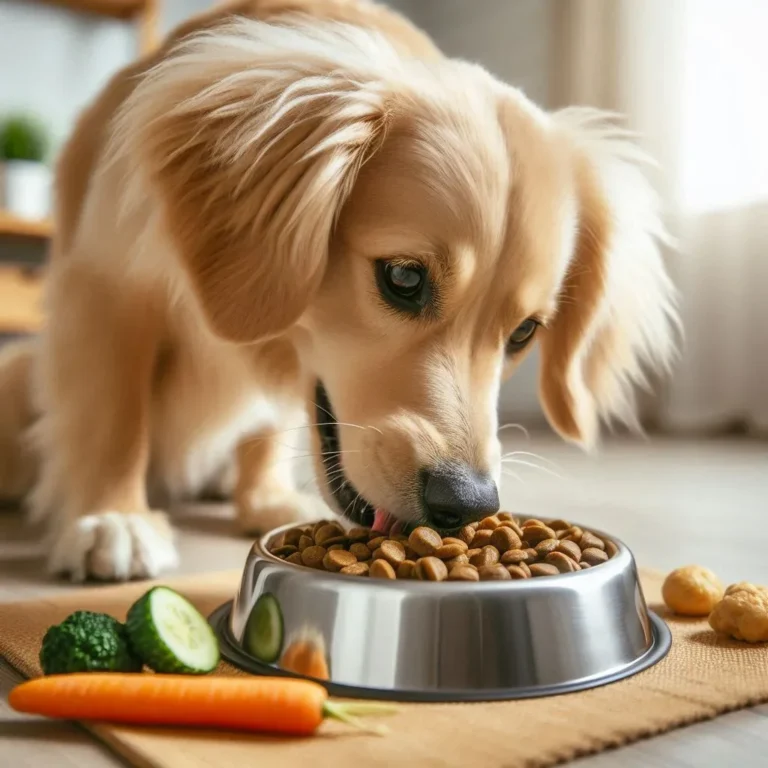
Many plain foods make healthy treats in small amounts: carrot sticks, cucumber, apple slices without seeds, plain boiled chicken without bones or seasoning, and pumpkin. Treats should be a small part of your dog’s daily food. For more on what to feed, see our guide on feeding your dog at every stage.
Dog-Proofing Your Kitchen
Prevention is easier than treatment. Keep dustbins closed or inside cupboards, store chocolates and dry fruits on high shelves, and never leave plates unattended on low tables. Teach a solid “leave it” cue so you can stop your dog before it grabs a dropped item. Children should know which foods are unsafe for the dog, because they are often the ones sharing snacks.
Household Items That Are Not Food but Still Dangerous
Dogs also explore with their mouths, so think beyond the dinner table. Medicines for people, including common painkillers, can be very harmful to dogs. Rat poison, insecticides, cleaning products and some houseplants are other frequent causes of emergency visits. Store them in closed cupboards and never give your dog human medicine unless your vet tells you to.
Practical Guide: Going Deeper
Common toxic foods for dogs
| Food | Main risk |
|---|---|
| Chocolate and cocoa | Theobromine and caffeine affect heart and nerves |
| Grapes, raisins, sultanas | Can cause kidney damage |
| Onions, garlic, leeks, chives | Can damage red blood cells |
| Xylitol (sugar-free gum, sweets) | Sudden low blood sugar, liver damage |
| Macadamia nuts | Weakness, tremors |
| Alcohol and raw yeast dough | Poisoning, bloating |
| Cooked bones | Splinters, choking, gut injury |
What to Do in a Food Emergency
Act Immediately
Call your vet or the nearest emergency clinic straight away. Tell them what your dog ate, roughly how much, when, and your dog’s weight. Keep the packaging if you can.
What Not to Do
Do not give salt, oil or home remedies, and do not induce vomiting unless a vet tells you to. Some substances cause more harm coming back up, and home methods can be dangerous.
Preventing Accidental Poisoning
At Home
Store food in closed cupboards, use dog-proof bins and keep bags and coats with sweets or gum off the floor. Teach visitors and children not to share snacks.
During Festivals
Sweets, dried fruit, chocolate and rich foods are everywhere during festivals and celebrations. Keep dogs out of the kitchen and away from tables, and give safe dog treats instead.
Symptoms of Food Poisoning in Dogs
Early Signs
Vomiting, diarrhoea, drooling, restlessness, panting and tummy pain can appear after a dog eats something harmful. Some toxins, such as those in grapes or onions, may take hours or days to show effects, so do not wait for symptoms before calling a vet.
Serious Signs
Tremors, seizures, collapse, pale gums, weakness or a racing heartbeat are emergencies. Take your dog to the nearest vet immediately and bring any packaging or plant material with you.
Safe Treat Alternatives
Healthy Snacks
Small pieces of carrot, cucumber, green beans, apple without the core and seeds, or plain cooked chicken can make healthy treats for many dogs. Treats should make up only a small part of daily calories.
Commercial Dog Treats
Choose treats made for dogs and check labels for xylitol in products such as peanut butter. Introduce new foods gradually and ask your vet about safe options if your dog has allergies, pancreatitis or kidney disease.
Final Thoughts
Knowing which foods are toxic to dogs is one of the easiest ways to prevent a pet emergency. Chocolate, grapes and raisins, onions and garlic, xylitol, macadamia nuts, alcohol, raw dough and cooked bones should always be kept out of reach. Store food securely, brief guests and children, and choose safe dog treats instead. If your dog does eat something dangerous, call a vet straight away with details of what was eaten, because fast action gives the best chance of a full recovery.
Related reading:
Frequently Asked Questions
Is a small amount of chocolate dangerous?
It can be, depending on the type of chocolate and your dog’s size. Dark and baking chocolate are more dangerous than milk chocolate. Call a vet for advice.
Which human foods are safe for dogs?
Small amounts of plain cooked chicken, plain rice, carrots, cucumber and apple slices without seeds are usually safe for most dogs, but check with your vet if your dog has health issues.
How much chocolate is toxic to a dog?
It depends on the type of chocolate and the dog’s size. Dark chocolate is much more dangerous than milk chocolate. Call your vet for any chocolate ingestion.
Can dogs eat roti or rice?
Plain roti or rice in small amounts is usually fine for healthy dogs, but avoid ghee, butter, salt, spices, onion and garlic.
Are grapes really dangerous for dogs?
Yes. Grapes and raisins can cause kidney failure in some dogs, and there is no known safe amount, so avoid them completely.
What should I do if my dog ate gum?
Check whether the gum contains xylitol. If it does, or if you are unsure, contact your vet immediately.