Guinea Pig Sounds and What They Mean
Quick answer: Guinea pig sounds are their main way of communicating. Wheeking, a loud whistle, usually means excitement or asking for food. Purring can mean contentment when low and relaxed, but annoyance when short and high. Rumbling is often dominance or courtship, chattering teeth is a warning, and shrieking signals pain or fear. Read the sound together with body language and context to understand what your guinea pig means.
Key takeaways
- Wheeking is usually excitement, often about food.
- Context and body posture change what purring means.
- Teeth chattering is a warning to back off.
- A sudden shriek or squeal can mean pain and needs checking.
- Silence and hiding can be a sign of illness in prey animals.
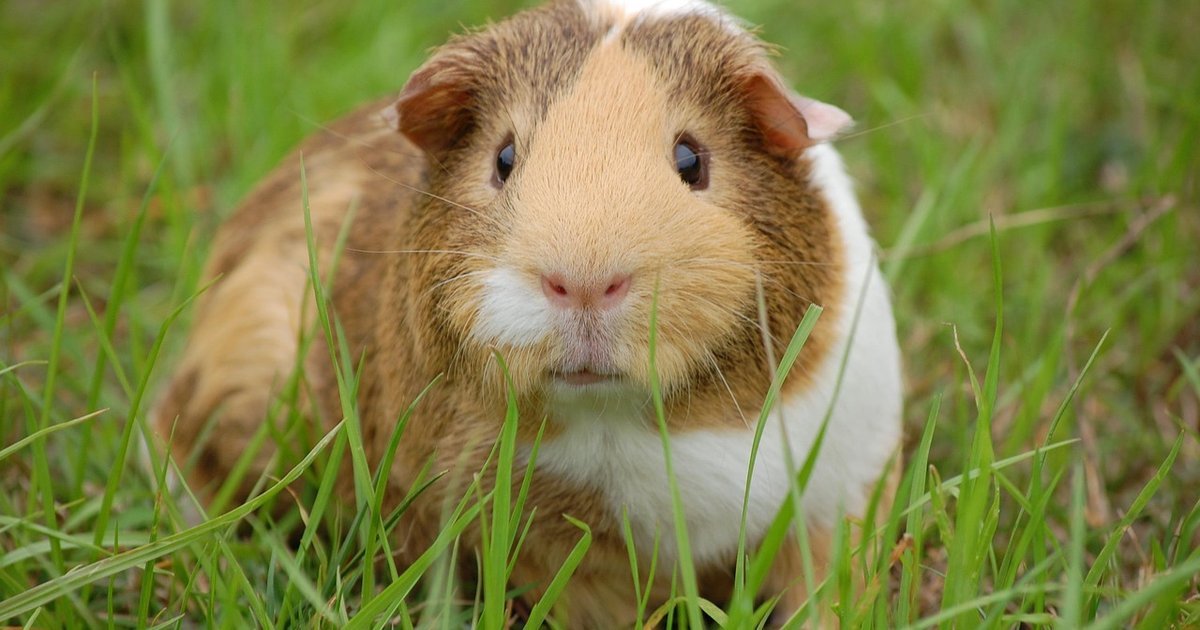
Guinea pigs are among the most talkative small pets. From excited squeals when the fridge door opens to soft purrs while being stroked, they use a whole range of sounds to communicate with each other and with their people. Learning what these sounds mean helps you understand your guinea pigs’ moods, respond to their needs and notice early when something is wrong.
Why Guinea Pigs Are So Vocal
In the wild, guinea pigs’ relatives live in groups and are prey animals. Constant communication helps the group stay together, share information about food and warn of danger. Pet guinea pigs carry these instincts into our homes. If you have a pair, you will notice they “chat” to each other through the day. Our guinea pig care guide for beginners explains why companionship is so important to them.
Happy Sounds
Wheeking
The best-known guinea pig sound is a loud, high-pitched “wheek wheek”. It usually means excitement or anticipation, especially around food. Many guinea pigs wheek when they hear a bag of vegetables rustle, the fridge open or their owner’s footsteps at feeding time.
Purring (Low and Relaxed)
A soft, deep, steady purr usually means a guinea pig feels content, for example while being gently stroked or resting with a friend. Watch the body language: a relaxed body with soft eyes confirms it is a happy purr.
Chutting
A gentle, rhythmic “chut chut” sound is often heard when a guinea pig is exploring or following another guinea pig around. It suggests curiosity and contentment.
Popcorning With Squeaks
Young guinea pigs especially may jump straight up in the air and twist – called popcorning – sometimes with small squeaks. It is a pure expression of joy.
Sounds That Need a Closer Look
Higher-Pitched, Short Purrs
A purr that is higher and shorter, especially if it rises at the end, can mean annoyance. You may hear it if your guinea pig dislikes how it is being handled.
A Sudden Purr Then Freezing
A short purr followed by stillness can signal fear or uncertainty, perhaps after a sudden noise. Give your guinea pig time to calm down.
Rumbling (Rumblestrutting)
A deep rumble often comes with a swaying walk, known as rumblestrutting. It is usually about dominance or courtship. Males often rumble at females, and guinea pigs rumble to establish hierarchy. Occasional rumbling is normal; constant chasing and fighting is not.
Warning and Distress Sounds
Teeth Chattering
Rapid teeth chattering is a clear warning: “back off”. Guinea pigs may chatter at each other or at a hand. If chattering comes with raised hackles and a wide-open mouth, separate the guinea pigs temporarily to prevent fighting.
Hissing
Like cats, guinea pigs can hiss when angry or threatened. Give them space.
Shrieking or Squealing
A loud, piercing shriek indicates pain, fear or alarm. Check immediately for injuries, a trapped foot or a fight. If you cannot find an obvious reason and it continues, contact a vet.
Whining or Moaning
A whiny noise can mean your guinea pig is annoyed, for example when another guinea pig takes its favourite spot.
The Mysterious “Chirp”
Some guinea pigs make a bird-like chirping sound, sometimes while standing still and seeming almost in a trance. Its meaning is not fully understood. It is uncommon, and owners have suggested many explanations, from stress to excitement. If your guinea pig chirps but otherwise eats, moves and behaves normally, there is usually no need to worry.
Sounds That May Signal Illness
Guinea pigs are good at hiding illness, so changes in sounds can be important clues. Contact a vet if you notice:
- Wheezing, clicking or crackling sounds when breathing.
- Squeaking when urinating, which may suggest pain.
- A normally chatty guinea pig suddenly becoming silent and withdrawn.
- Crying out when touched in a particular spot.
Body Language Completes the Picture
Sounds are only part of guinea pig communication. Always look at body posture, ears, movement and appetite together. A relaxed guinea pig stretches out, eats calmly and moves around freely. A stressed guinea pig hides, freezes or runs away. Small animals that bond quickly with their owners often become more vocal over time; read our guide to small pets that bond quickly for other species with similar social traits.
How to Respond to Your Guinea Pig’s Sounds
Once you know the basics, you can use sounds to guide your care. Wheeking at feeding time is a great moment to offer vegetables by hand and build trust. Annoyed purrs or teeth chattering during handling are signs to slow down, support the body better or put your pet back for a rest. If pairs rumble and chase a lot, give them more space, extra hides and two food bowls so there is less competition. Keeping a short diary of unusual sounds can also help your vet if a health concern arises.
Practical Guide: Going Deeper
Guinea pig sound guide
| Sound | Usually means | What to do |
|---|---|---|
| Wheeking | Excitement, wants food | Normal, stick to feeding routine |
| Low purr | Content, relaxed | Keep doing what you are doing |
| Short high purr | Annoyed | Stop and give space |
| Rumbling | Dominance or courtship | Watch for fighting |
| Teeth chattering | Warning, agitated | Separate if fights start |
| Shrieking | Pain or fear | Check for injury, contact vet if unsure |
| Popcorning with squeaks | Joy | No action needed |
Reading Body Language Alongside Sounds
Relaxed Signs
A relaxed guinea pig may lie stretched out, eat calmly, groom itself and make soft purrs or chuts while exploring. Popcorning, the sudden hopping seen in young guinea pigs, is a sign of happiness.
Stressed Signs
Freezing, hiding, raised hackles, mouth gaping, head raised high or a stiff stance usually mean fear or aggression. Pair these signs with sounds like chattering before deciding whether to step in.
Sounds That Need Attention
Pain and Illness
Guinea pigs are prey animals and often hide illness. Squealing when touched, noisy or crackly breathing, sneezing with discharge or a sudden drop in eating are reasons to see an exotic-animal vet quickly.
Fighting Between Cage Mates
Rumbling and chasing are normal while guinea pigs sort out hierarchy. Repeated chattering, lunging, biting or drawing blood means the pair needs to be separated and possibly reintroduced on neutral ground.
Helping a Shy Guinea Pig Feel Safe
Setting Up the Enclosure
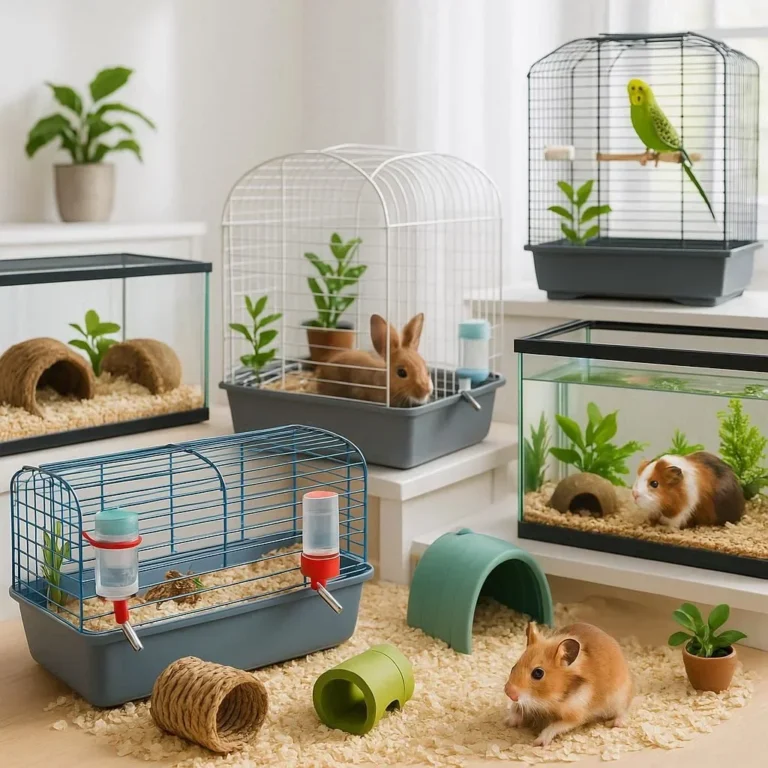
Provide hideouts at both ends of the cage, plenty of hay, and a spacious floor area. Guinea pigs feel more secure when they can retreat, and a confident guinea pig often becomes more vocal and expressive over time.
Building Trust
Sit near the cage and talk softly, offer vegetables by hand and avoid grabbing from above, which mimics a predator. Short, calm handling sessions with support under the chest and bottom help guinea pigs relax, and you will soon learn your pet’s individual voice.
Why Guinea Pigs Need a Companion
Social Animals
Guinea pigs are herd animals and are generally happiest living with at least one other guinea pig. Many communicative sounds, like chutting and purring, are part of how they bond and keep in touch with each other.
Choosing a Pair
Two females, a neutered male with one or more females, or carefully matched males can all work. Introduce new guinea pigs on neutral ground with plenty of hay and hiding places, and expect some rumbling while they sort out who is in charge.
Final Thoughts
Learning guinea pig sounds helps you understand what your pets need and how they feel. Wheeks, purrs, rumbles and chatters each carry meaning, but context and body language complete the picture. Spend time observing your guinea pigs, keep them in pairs or groups, give them hiding places and a steady routine, and act quickly on signs of pain or illness. Over time you will recognise each pet’s personal voice and build a trusting relationship with these chatty, social little animals.
Related reading:
Frequently Asked Questions
Why does my guinea pig wheek when I open the fridge?
Guinea pigs quickly learn sounds linked to food, such as a fridge door or a rustling bag, and wheek in anticipation. It is a normal, happy behaviour.
Is it normal for guinea pigs to be quiet?
Some guinea pigs are naturally quieter, but a usually vocal guinea pig that becomes silent, hunched or stops eating should be checked by a vet.
Is it normal for guinea pigs to rumble at each other?
Yes. Rumbling is part of normal social behaviour. Watch for fighting, injuries or constant chasing, which may need intervention.
Why is my guinea pig purring when I pet it?
A low, steady purr with a relaxed body usually means contentment. A short, high purr with tension may mean it wants you to stop.
Should I worry if my guinea pig is quiet?
Some guinea pigs are naturally quieter, but a sudden change from chatty to silent can be a sign of illness and should be checked.