Guinea Pig Care for Beginners: Housing, Diet and Health
Guinea pigs are gentle, chatty and full of personality, which makes them one of the most loved small pets for families. They are not, however, a “starter pet” that needs little effort. They live for several years, need daily fresh food and plenty of space, and are happiest with a companion of their own kind. This beginner’s guide covers the essentials of guinea pig care so you can give them a healthy, happy life.
Are Guinea Pigs Right for Your Home?
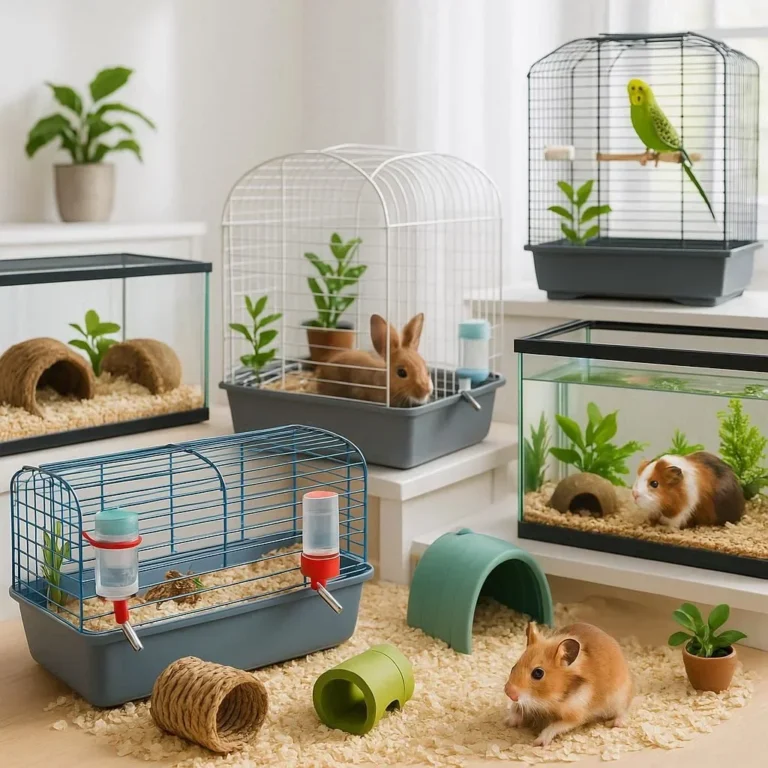
Guinea pigs typically live around five to eight years, so they are a long commitment. They are active during the day and enjoy interaction, which suits families who are home often. They are sociable herd animals and generally do best in pairs or small groups. If you are still comparing options, our article on hamsters vs rabbits vs guinea pigs explains how the three differ in care and temperament.
Housing: Give Them Room to Run
Most pet-shop cages are too small. Guinea pigs need floor space more than height, because they run, popcorn (jump with excitement) and explore on the ground. A pair needs a large, flat enclosure, and bigger is always better. Key features include:
- A solid floor rather than wire mesh, which can hurt their feet.
- Soft bedding such as paper-based bedding or fleece liners.
- At least one hide per guinea pig, so each has a private retreat.
- A spot away from direct sun, draughts and loud noise.
Guinea pigs are sensitive to heat. In hot weather, keep them in a shaded, well-ventilated room and never leave them in direct sunlight.
Diet: Hay First, Always
Unlimited Hay
Good-quality grass hay should make up most of a guinea pig’s diet. Chewing hay wears down their constantly growing teeth and keeps their digestion moving. Hay should be available all day.
Vitamin C Every Day
Like humans, guinea pigs cannot make their own vitamin C, so they must get it from food. Without enough, they can develop scurvy, which causes weakness, sore joints and poor coat condition. Offer fresh vegetables rich in vitamin C, such as bell peppers and leafy greens, and use a plain pellet made specifically for guinea pigs.
Fresh Vegetables and Water
Offer a handful of washed vegetables daily and introduce new foods slowly. Fruit is a treat only, in small amounts, because of its sugar. Fresh water should always be available in a bottle or heavy bowl, changed daily.
Foods to Avoid
Do not feed chocolate, onions, garlic, potatoes, bread, dairy or anything salty or sugary. Avoid sudden diet changes, which can upset their sensitive gut.
Companionship and Handling
A lonely guinea pig can become withdrawn. Two females, or a neutered male with a female, are common pairings; ask a vet or rescue for advice on pairing. When handling, scoop your guinea pig up with one hand under the chest and the other supporting the bottom, and hold it close to your body. Children should sit on the floor when holding a guinea pig so it cannot fall far.
Grooming and Hygiene
Short-haired guinea pigs need only occasional brushing, while long-haired breeds need daily grooming to prevent tangles. Check nails every few weeks and trim them if they curl. Spot clean the enclosure daily and do a full clean weekly. A clean home prevents smells and reduces the risk of skin and foot problems.
Health Signs to Watch
Guinea pigs often hide illness, so small changes matter. See a vet who treats small animals if you notice:
- Not eating or not producing droppings for several hours.
- Weight loss, which you can track with a kitchen scale each week.
- Crusty eyes, sneezing or noisy breathing.
- Hair loss, constant scratching or sore feet.
- Drooling or difficulty chewing, which may point to dental problems.
Our guide to managing small pet allergies effectively is useful too if anyone in your family sneezes around hay or bedding.
Daily and Weekly Care Checklist
A simple routine keeps care manageable for busy families:
- Every morning: refill hay, change water, offer a portion of fresh vegetables and remove any uneaten food from the night before.
- Every evening: spot clean wet bedding and droppings, check that both guinea pigs are eating and moving normally, and spend some time talking to them or handling them gently.
- Once a week: do a full clean of the enclosure, weigh each guinea pig, check nails and teeth, and wash food bowls and the water bottle.
Writing the weekly weight in a notebook or phone note is one of the most useful habits you can build. A slow drop in weight is often the earliest sign that something is wrong, long before you notice any other change.
Enrichment and Play
Guinea pigs are not climbers like hamsters, but they do enjoy exploring. Cardboard boxes with two doors cut out, paper bags stuffed with hay, tunnels and fleece “forests” hanging from a frame all make great hiding and foraging spots. Scatter part of their daily vegetables around the enclosure so they can search for food rather than eat everything from one bowl. Floor time in a safe, guinea-pig-proofed room is a highlight of their day, as long as electrical cables, houseplants and gaps behind furniture are blocked off.
FAQ
Do guinea pigs need a friend?
Most guinea pigs are happier with at least one companion of their own species. Living alone can make them stressed or less active.
How much vitamin C does a guinea pig need?
They need a daily source of vitamin C from fresh vegetables and guinea pig pellets. Your vet can advise on supplements if your pet is unwell or pregnant.
Can guinea pigs live outdoors?
Guinea pigs are sensitive to heat, cold and predators. In most Indian homes, a safe indoor room with good airflow is the better choice.
How often should I clean a guinea pig cage?
Spot clean droppings and wet bedding every day and do a full clean once a week, or more often for larger groups.