Small Pets That Bond Quickly
A growing number of pet lovers are turning to small animals for companionship, not just for their adorable appearance but for their quick bond formation. When you’re looking for a low‑maintenance animal that will quickly become part of your family, choosing the right species is paramount. Small pets that bond quickly share common traits: they thrive on regular interaction, are relatively easy to care for, and reward attentive owners with affection and playful behavior. In this guide we’ll examine the best options, practical care tips, and how to nurture a strong bond right from day one.
What Makes a Small Pet Bond Quickly?
Unlike larger dogs or cats, many small mammals develop attachment within days if they receive consistent attention. Four key factors influence fast bonding:
- Social nature – Species that naturally live in groups establish strong bonds around shared meals and grooming rituals.
- Short lifespan of connection phase – Quick adolescence means the animal settles into companionship faster.
- Low territoriality – Animals that are less aggressive to other inhabitants require less energy defending their space.
- Topical grooming. – Frequent grooming interactions biological bonding hormones like oxytocin.
Best Rodents for Fast Bonding
Rodents are a popular category of small pets that bond quickly. Below we highlight species that thrive in human companionship.
- Dwarf Hamsters – On Wikipedia, the Dwarf Hamster is noted for its docile temperament and adaptability. They often recognize their owner’s voice and can be hand‑tamed within a week when handled gently.
- Gerbils – The Gerbil showcases an inquisitive attitude. Because they are less sensitive to sudden movements, bond building feels almost effortless for new owners.
Marsupials That Anchor Instantly
While less common, marsupials such as sugar gliders form quick bonds due to their inherent sociability. Sugar Glider species display a propensity for forming tight-knit relationships not only with conspecifics but also with their humans if handled regularly from a young age. Keep in mind, though, that they require a specialized diet and large space.
Low‑Maintenance Guidelines for Happy Relationships
Maintaining a small pet that bonds quickly hinges on regular routines. Implement the following guidelines for steady companionship:
- Consistent Feeding Hours – Providing meals at the same time each day cues the animal to anticipate bonding moments.
- Daily Interaction – Even ten minutes of gentle handling, play, or talking encourages oxytocin release.
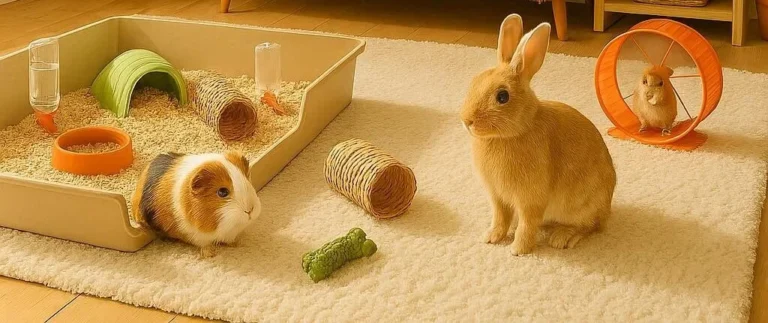
- Safe Environment – A secure enclosure with enrichment items (e.g., tunnels for rodents) reduces stress, enabling the animal to focus on interaction rather than escape.
- Health Checks – Regular vet appointments ensure the pet’s wellbeing, preventing detachment caused by illness.
Expert Resources on Rodent Care
Both the ASPCA and the AVMA provide comprehensive guides on safe handling, nutrition, and enrichment. Their evidence‑based advice helps owners foster quick bonding while ensuring the animal’s long‑term health.
Training: Turning Everyday Moments into Bonding Opportunities
Training doesn’t have to involve complex commands. Simple gestures that signal affection or gentle positive reinforcement can cement a strong bond. For instance, rewarding a hamster with a tiny treat every time it voluntarily climbs onto your finger helps it associate hand-contacts with pleasure. Consistent use of a calm voice and slow movements signals safety and promotes trust.
Conclusion: Embracing a Quickly Bonding Companion
Choosing a small pet that bonds quickly is an investment in companionship that pays off in love, entertainment, and observable bonding moments. By selecting socially inclined species, giving consistent care, and staying informed through reputable resources, you set the stage for a thriving relationship.
Ready to experience the joy of a small pet that bonds quickly? Explore responsible breeders or rescue shelters today and give a furry friend the chance to become part of your life while you provide the love and care they thrive on.
Frequently Asked Questions
Q1. What are the best small pets that bond quickly?
Rodents like dwarf hamsters and gerbils, along with marsupials such as sugar gliders, are known for forming attachments fast. These animals thrive on social interaction, recognizing their owners’ voices and faces within days. Their naturally gentle nature and low territoriality make them ideal for people who want a quick bond without intense training. Additionally, all of these species are relatively low-maintenance compared to larger pets.
Q2. How can I accelerate bonding with my new small pet?
Consistent handling, daily play, and speaking in a calm tone unlock trust and oxytocin release. Offer gentle rewards such as small treats when the animal voluntarily approaches. Gradually increase handling time as the pet becomes confident. Keeping feeding and interaction times predictable helps create a routine that the animal can anticipate.
Q3. Are sugar gliders suitable for first‑time owners who want a quick bond?
While sugar gliders are remarkably social and bond deeply, they do require a specialized diet and bigger enclosures. First‑time owners need to invest time in learning their care routine, but once the basics are mastered, they quickly become loyal companions. Hands‑free bonding intervals are shorter than with many other species, yet responsible owners must be ready for a higher level of commitment.
Q4. What low‑maintenance practices keep a small pet happy and bonded?
Maintain a clean habitat with enrichment items, provide food at consistent times, and schedule regular veterinary checks. Short yet frequent sessions of gentle play or exploration are enough. Offer mental stimulation through interactive toys or safe exploration areas to prevent boredom and reinforce the bond.
Q5. How often should I interact with a small pet to keep bonding strong?
Daily interaction of 10–20 minutes is ideal for most rodents and marsupials. This can be broken into short, gentle handling periods, such as feeding or playtime. Consistency is more important than duration, so keep a predictable schedule to build trust over time.