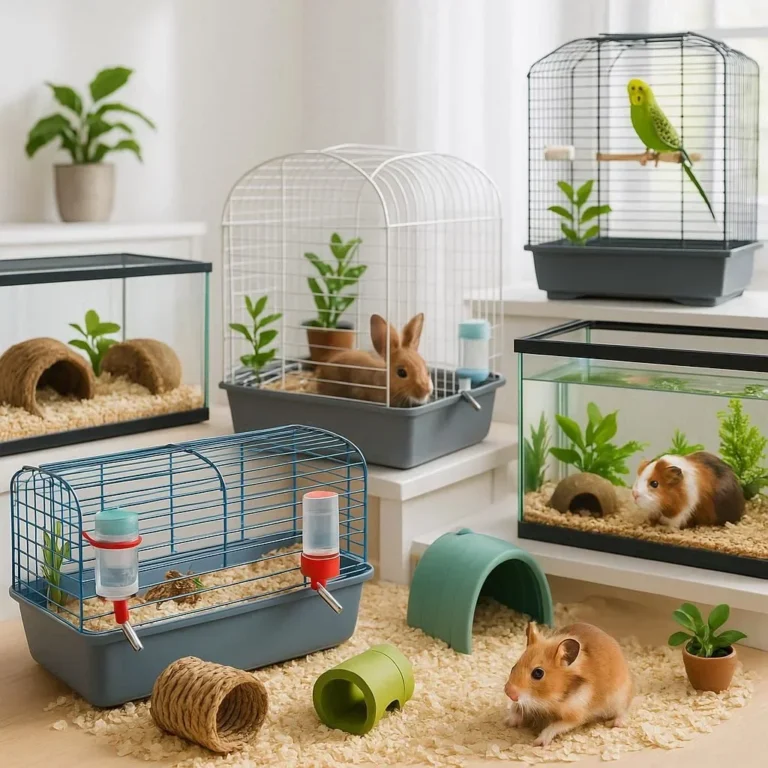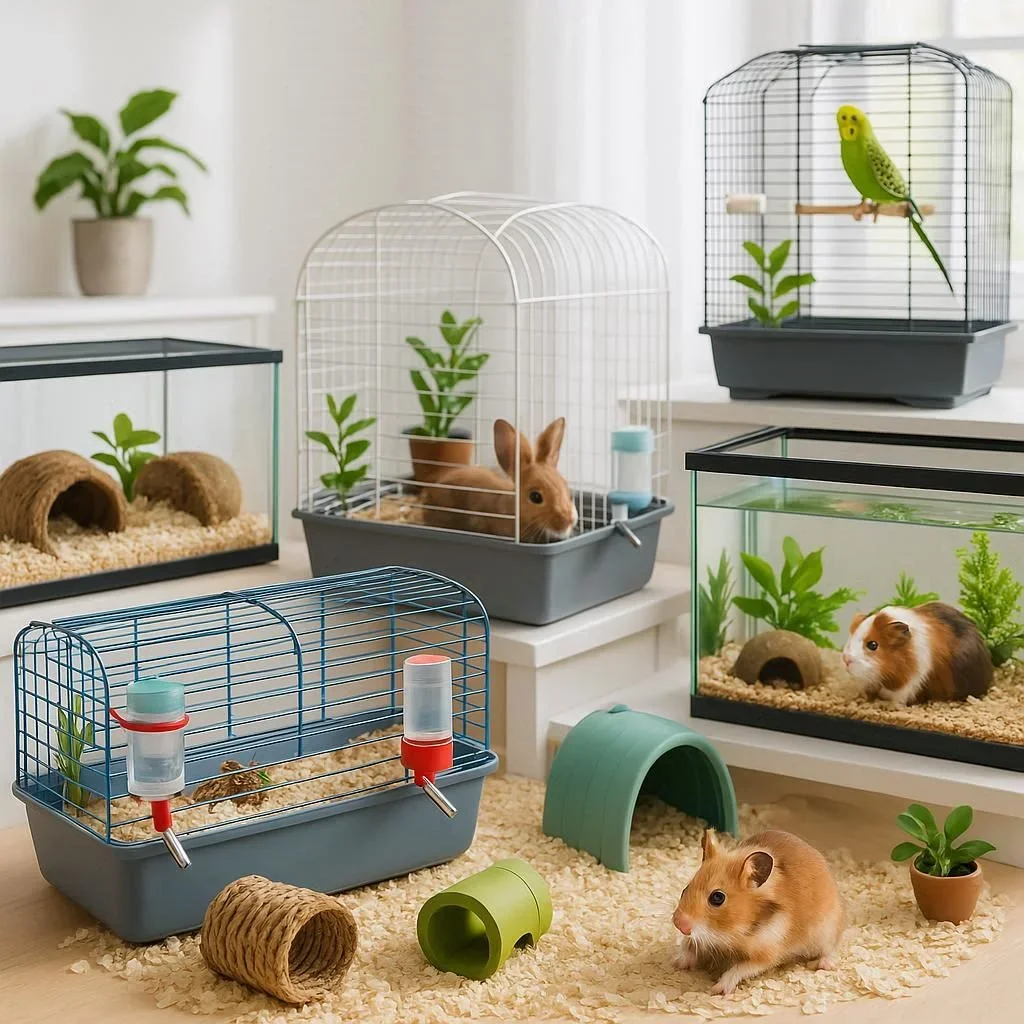
Setting Up the Perfect Hamster Habitat
A well-designed hamster habitat not only ensures a happy, healthy pet, but also reduces stress and the risk of injury. Whether you’re a first‑time pet owner or an experienced caretaker, this guide covers every detail—from cage selection to enrichment techniques—to help you create the ultimate home for your little rodent. By following these expert‑approved steps, you’ll provide a safe, stimulating environment that encourages natural behaviors and promotes overall well‑wellness.
Choosing the Right Cage Size for Your Hamster
Size matters when it comes to a hamster’s physical and mental development. The American Veterinary Medical Association recommends a minimum horizontal dimension of 450 x 450 mm (18 x 18 in) for Syrian hamsters and 300 x 300 mm (12 x 12 in) for dwarf species. However, these are minimums; the larger, the better. A spacious cage allows for running wheels, tunnels, and climbing structures, providing ample room for exercise and play.
When selecting a cage, consider the following:
- Wooden or plastic frames—both acceptable, but ensure all materials are non‑toxic and free from sharp edges.
- Ventilation—adequate airflow prevents moisture build‑up and mold.
- Easy access points for cleaning—worn 12‑inch wheels are common for Syrian varieties.
- Irritating scents—avoid scented bedding that can harm delicate hamster noses.
Providing Optimal Bedding and Air Quality
Choosing the right bedding is critical. Grains, shredded paper, and aspen shavings are good options, but never use cedar or pine, as the aromatic oils can be toxic. Aim for a depth of at least 5 cm (2 in) to allow burrowing and to maintain moisture control. Routine cleaning, at least once per week, keeps odor and bacteria at bay. High‑quality bedding also contributes to proper ventilation—air leaks are minimized if the bag remains sealed during use.
Enrichment: Toys, Structures, and Natural Stimuli
Hamsters are naturally curious and active creatures. Enrichment encourages physical activity and reduces boredom, which can lead to destructive chewing or excessive grooming. Here’s a quick checklist of must‑have items:
- Running wheel—choose a solid‑sided, flat wheel to prevent injury. No spokes or rods that could get stuck in hair.
- Tunnels & tubes—PVC or flexible plastic tubes mimic burrows.
- Wooden chew blocks—safe for natural gnawing; avoid composites that contain chemicals.
- Plants—dried or fresh (e.g., dried oregano, basil) can add texture and a touch of nature, but always verify the plant is non‑toxic.
Nutrition and Water: Feeding Basics
Balanced nutrition supports a hamster’s immune system and energy levels. A high‑quality commercial hamster mix should form the base of their diet. Supplements include fresh fruit, vegetables, and occasional protein sources such as boiled egg or mealworms. Ensure any supplementary menu is introduced gradually to avoid gastrointestinal upset. Fresh water must be available at all times; use a water bottle with a metal dropper to prevent bacterial growth.
As a general rule, feed a portion that lasts about five days and replace it weekly to maintain freshness.
Safety Considerations and Common Hazards
Many small pets have a higher risk of injury from household chemicals, small objects, or inappropriate bedding. Here are key safety precautions:
- Keep the cage on a stable, flat surface—vibrations can damage the running wheel and stress the hamster.
- Use a non‑porous, flat substrate for the base—paper or Parchment is safer than loose wood shavings that can be swallowed.
- Place the cage in a quiet area, out of direct sunlight and strong drafts.
- Avoid plastic toys with small broken pieces that could become choking hazards.
Monitoring Health: Signs of Well‑Being and When to Seek Help
Observing daily behavior provides early indicators of health. A healthy hamster typically:
- Shows full activity during night hours.
- Has a clean, clear nose and sharp, black eyes.
- Is interested in food and weighs within a healthy range (vs. significant loss or gain).
- Engages with enrichment items.
Any sudden changes—weight loss, lethargy, or open wounds—should prompt a visit to a qualified veterinarian. Reliable animal health resources include the American Veterinary Medical Association (AVMA), and reputable information can also be found on Wikipedia’s hamster page (Hamster).
Conclusion: Creating a Loving, Stimulating Home for Your Hamster
By carefully designing your hamster habitat, you ensure that every aspect of your pet’s life—from shelter to nutrition—supports healthy growth, vibrant behavior, and a longer, happier lifespan. Every decision, whether selecting a spacious cage, choosing non‑toxic bedding, or providing diverse enrichment, contributes to a thriving, content hamster. If you’re ready to take the next step, start today by assessing your current habitat, implementing these guidelines, and giving your hammy the superb environment they deserve. Discover more pet care tips and expert veterinary advice on AVMA and keep your little friend happy for years to come.
Ready for More?
Join our newsletter to receive monthly pet care insights, exclusive discounts on hamster accessories, and early access to the latest hamster health research. Click here to subscribe now and start building the perfect hamster habitat with confidence!
Frequently Asked Questions
Q1. What is the minimum cage size for a Syrian hamster?
The American Veterinary Medical Association recommends a minimum horizontal dimension of 450 × 450 mm (18 × 18 in) for Syrian hamsters. However, a larger cage is ideal to provide more space for exercise and enrichment. A 900 × 600 mm cage or larger keeps your hamster active and happy. Remember to leave extra space for tunnels, wheels, and climbing structures.
Q2. Which bedding material is safest for my hamster?
Opt for paper‑based shavings, aspen, or hemp. Avoid cedar, pine, or scented shavings that can release toxic oils and irritate your hamster’s delicate nose. The bedding should be about 5 cm deep to allow burrowing and moisture control. Replace it weekly to maintain a clean environment.
Q3. What type of running wheel should I choose?
Choose a solid‑sided, flat wheel with no spokes. A wheel that is 6 – 10 in in diameter works well for Syrian hamsters. It should fit snugly in the cage, allowing the hamster to run without slipping off the rim. Avoid wheels that are too small or have gaps where the hamster can get stuck.
Q4. How can I keep my hamster’s water bottle clean?
Use a stainless‑steel water bottle with a metal dropper. Replace the water daily and clean the bottle weekly with warm water and a mild soap. Avoid plastic bottles that can harbor bacteria, and never store water in a plastic container that could release chemicals.
Q5. When should I take my hamster to the vet?
Seek veterinary advice if you notice sudden weight loss, lethargy, nose discharge, or wounds that do not heal. Regular health check‑ups every six to twelve months are also recommended. Early detection of issues like dental problems or parasites can prevent serious complications.