Best Small Pets for Kids
Choosing the right companion animal for your child is a decision that blends both adventure and responsibility. Parents often ask, “Which small pet is best for a family with kids?” The answer is a mix of practicality, health, and the joy of watching a child learn care and empathy. In this guide, we’ll explore the best small pets for kids, outline why they’re especially friendly for young owners, and give you a clear roadmap for selecting, caring for, and enjoying your new pet family member. Whether you’re considering a cottontop‐like hamster, a plush partner like a guinea pig, or a splashy friend such as a betta fish, there’s an option to match any home.
Reasons Small Pets Make Great Companions
Socioemotional Benefits for Children
Engaging with a small pet fosters emotional growth. Children learn what it means to be dependable, and consistent routines around feeding, grooming, and playing build routine and calmness. Studies show that even a brief interaction with a pet can lower blood pressure and reduce anxiety in children, creating a healthier emotional environment at home. When a child sees the tangible impact of their care—like a hamster’s whiskers brushing against their fingers or a guinea pig’s gentle sighs—they are given a visual proof of affection that strengthens bonds and boosts confidence.
Low‑Impact Responsibilities That Teach Care
Contrary to the often misunderstood perception that small animals demand constant attention, the care requirements for most beginner‑friendly pets are manageable for kids aged 6 and higher. Routine tasks such as daily feeding, weekly enclosure cleaning, and short playtime sessions teach responsibility without overwhelming young parents or kids. This balance encourages independence in children while keeping owners’ involvement realistic.
Top Best Small Pets for Kids
Below is a curated list of animals that excel in child‑friendly traits—compact size, manageable health needs, and trainable temperament. The list also references reputable sources for further information.
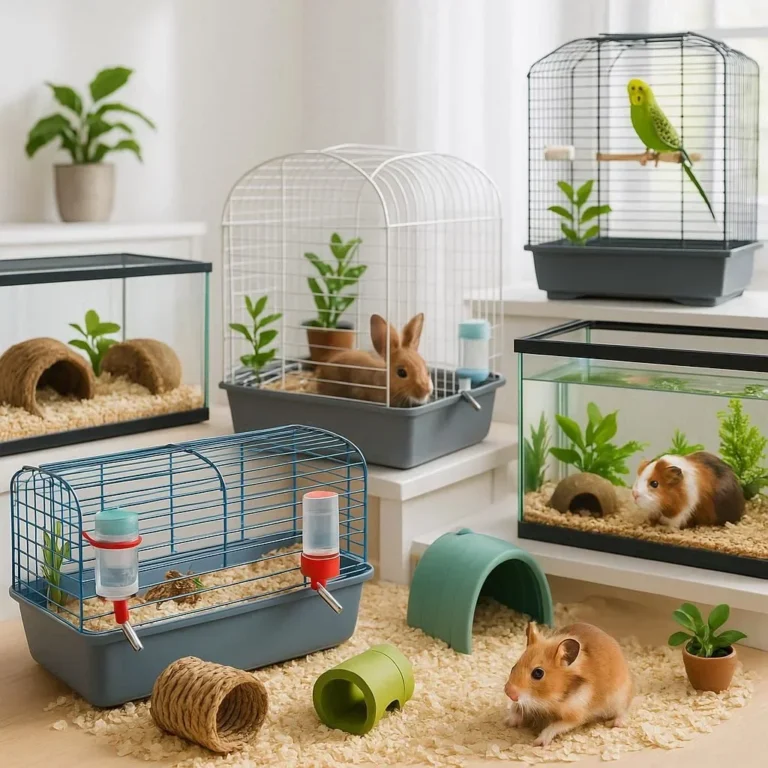
- Hamster—Portable, sociable, and significantly low cost. Their small size makes them ideal for apartments or dorm rooms. Hamsters thrive in 22‑inch cages with wheel or tunnel accessories, and they typically live 2–3 years, encouraging a realistic view of pet lifespan.
- Guinea Pig—Known for their affectionate nature, guinea pigs bond with their owners and often respond to voices. They require a 40‑inch enclosure, fresh hay, and daily interaction. Their lifespan of 4–6 years makes them a stable, long‑term companion.
- Betta Fish—Colorful and fascinating, bettas do not need a large aquarium, making them a good option for children fascinated by water but not ready for a turtle or fish tank. They thrive in 5‑gal bowls or tanks; feeding once per day keeps the routine simple.
- Honey Crab—An unusual choice that satisfies curiosity about insects. They can live 3–6 years with modest care and prefer a terrestrial terrarium with damp sand and few plants.
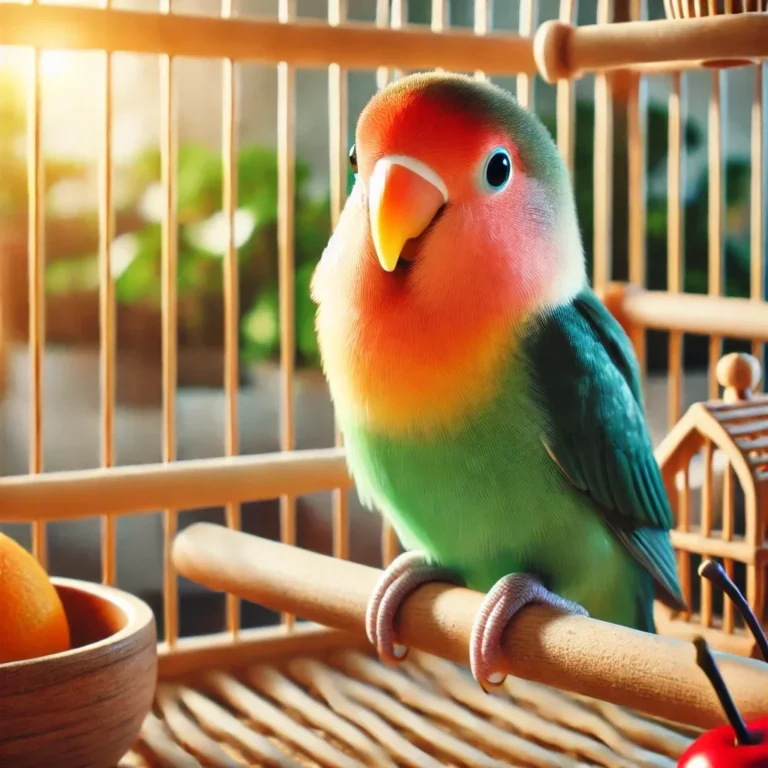
- Budgie Bird—Known for their chirpy personalities. Budgies need a secure cage and daily interaction. They are tolerant of kids’ playful handling and can learn simple tricks, which encourages learning through play.
Choosing the Right Pet: Key Factors
When deciding among these options, several factors come into play. Use this checklist as a quick reference to align the pet’s needs with your family’s lifestyle:
- Space: Assess room dimensions and ensure a clean, safe enclosure.
- Allergy Potential: If anyone has sensitivities, robotic or hypoallergenic species might be appropriate.
- Time Commitment: A hamster’s retreat time after dark or a guinea pig’s need for social interaction.
- Lifespan: Understanding that a pet commitment can last from a year (fish) to several years (guinea pig).
- Cost: Initial setup (cage or tank) plus ongoing expenses (food, bedding).
Space and Time Requirements
Small pets differ significantly in their daily patterns. For instance, hamsters are nocturnal, which means they “wake up” in the evening, while guinea pigs are active during daylight. Aligning their active hours with your family’s schedule helps integrate pet care into daily maintenance.
Allergies and Health Considerations
The CDC animal safety guidelines advise cleaning habitats weekly. If a family member is allergic, consult the AVMA pet care resources for hypoallergenic options or cleaning schedules that reduce allergens.
Life Span and Long‑Term Commitment
Choosing a pet with a suitable lifespan ensures your child’s emotional investment doesn’t end abruptly. For example, a betta fish may live 2–3 years if well‑cared, which is ideal for shorter school years. In contrast, a guinea pig may remain with you through several grades, teaching long‑term responsibility.
Daily Care and Enrichment Tips
Daily interactions become educational outposts. Below are simple tasks that fit into a typical school‑day routine, encouraging both participation and learning.
- Feeding Time—Schedule. Children can prepare meal portions on a quiet Tuesday morning. This routine teaches timing and measurement.
- Cleaning Spot—Once a week, a child can clean the hamster cage or fish tank while holding a sanitized brush. It’s an adventure in hygiene.
- Play Sessions—Use puzzle toys for guinea pigs or treat‑drop games for fish. These activities promote mental stimulation.
- Observation Journal—Encourage a short log of how the pet behaves each day. Children learn to record observations accurately.
- Vet Visits—Visits are educational. Let your child ask questions about the animal’s health and schedule follow‑ups.
Conclusion: Find Your Family’s Favorite
Each of the animals on our list offers unique benefits. A hamster brings portability, a guinea pig offers loyal companionship, a betta fish teaches aquatic science, and a budgie adds a musical element to the home. Building a life with a small pet programs your child’s love, responsibility, and confidence in gentle, measurable ways.
Frequently Asked Questions
Q1. Which small pet is best for a 6‑year‑old child?
A hamster or guinea pig is ideal because they are easy to handle, require manageable care, and teach responsibility. They are small enough not to overwhelm a child, yet social enough to form a bond.
Q2. Do small pets trigger allergies?
Some children may react to fur or dander. If allergies are a concern, consider hypoallergenic breeds or fish that have no fur, and keep enclosures clean to reduce allergens.
Q3. How much does it cost to start with a small pet?
Initial costs vary: a hamster set‑up is around $30–$50, a guinea pig about $60–$80, a betta fish $10–$20. Ongoing costs include food, bedding, and occasional vet visits.
Q4. What is the typical lifespan of a small pet like a betta fish?
A betta fish can live 2–3 years with proper care. Guinea pigs usually live 4–6 years, and hamsters 2–3 years, giving families varying commitment periods.
Q5. Can a small pet be trained to perform tricks?
Budgies and guinea pigs can learn simple tricks such as coming when called or following a cue. Hamsters can be taught to run on wheels voluntarily, and fish can be conditioned to leave their tank for a snack.