Quietest Cat Breeds for Apartments
When you live in an apartment, keeping noise under control is just as important as maintaining a tidy, scent‑free environment for your feline friend. Cats can become noisy by meowing, yowling, or even squeezing their paws, and in a tight living space these sounds can quickly startle neighbors. So when selecting a low‑maintenance, low‑noise companion, the same traits that make a cat a good indoor pet—gentle vocalizations, little stress, and a relaxed disposition—should guide your choice. This article walks you through the Quietest Cat Breeds that thrive in apartments, offers practical tips for managing their needs, and shows why these breeds are the best fit for a peaceful, city‑style lifestyle.
Quietest Cat Breeds: Persian Perfection
The Persian cat is a classic lap‑loving pet known for its calm, soothing demeanor. Unlike many modern breeds that chirp and chatter, Persians tend to make soft, steady sounds, which makes them ideal for close‑quartered apartments. Their long, luxurious coat requires regular grooming—about 10–15 minutes each day—to keep mats from forming, but this routine can also serve as a mindfulness ritual for both cat and owner. Persians are low‑energy and usually prefer lounging over high‑intensity play, so they are a great match for people who enjoy quiet evenings at home. Helpful tip: Place their litter box in a well‑ventilated corner and check it daily to prevent any odor buildup.
Quietest Cat Breeds: Ragdoll Relaxation
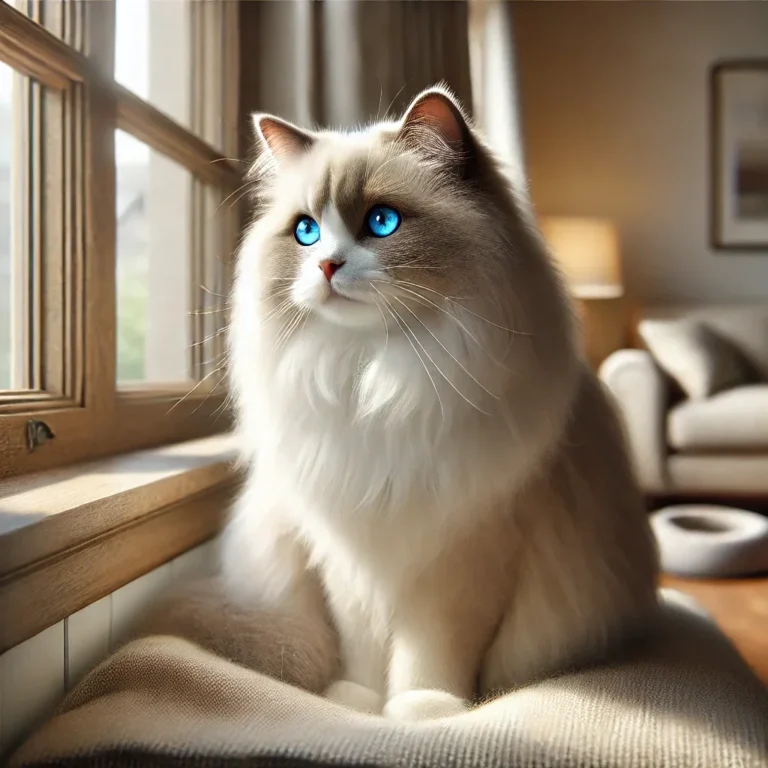
Ragdolls are celebrated for their placid and trusting nature. They often go limp when held—hence the name—and tend to stay still or gently purr when left alone. The breed’s temperament makes them less likely to yowl loudly at night or during typical apartment disturbances. Ragdolls are moderately sized; they weigh between 10–20 pounds, which helps avoid the noisy strides common in larger breeds. Though they need daily brushing to keep their semi‑long coat in good condition, many owners find this adds to the bonding experience. For owners who juggle work and home life, Ragdolls provide a steady companion who welcomes your return without overstimulating the home’s soundscape.
Quietest Cat Breeds: British Shorthair
The British Shorthair is a robust, sturdy cat with a calm and mellow disposition. They are often described as “the cat version of a book club”—quietly enjoying reading or doing minimal but hearty tasks. The breed’s sturdy legs and low sound profile mean their pounces and playtime remain muted. British Shorthairs also have a relatively short haircut, so maintenance is limited to simple brushing and occasional cleaning of the ears. Their social balance allows them to thrive as indoor cats, especially in bustling apartment settings where lower vocalization and minimal digging habits are preferred.
Quietest Cat Breeds: Scottish Fold
Featuring distinctive folded ears, the Scottish Fold is as gentle as its unique ears. They typically produce minimal vocalizations and spend more time curling up in a quiet corner. The ear folds, while captivating, also help the breed produce softer calls compared with some other breeds, making late‑night chirps roughly a third of what you might hear from a more vocal companion. Grooms can keep the coat neat with fortnightly brushing, and their average weight (8–13 pounds) is easy for owners to manage while ensuring no raucous walking sounds. Clean, dry litter boxes keep odor from building up and support a harmonious ambiance.
Quietest Cat Breeds: Exotic Shorthair
Containing the classic Persian appearance without the long fur, the Exotic Shorthair is an excellent low‑maintenance, low‑noise cat. Their dense coat requires only a short weekly brush, and their short‑haired texture reduces shedding compared to the Persian. They often have a less acerbic temperament, resulting in fewer and softer vocalizations. Exotic Shorthairs are generally even more sedentary than the average indoor cat, preferring comfortable napping spots over high‑energy play, which reduces potential litter box odors and increases overall quietude in your apartment. They are friendly with other indoor pets and respond well to simple enrichment toys that keep them gently engaged without creating high noise levels.
Owner Tips for a Quiet Apartment Life
- Regularly clean litter boxes—once a week at minimum—to avoid the buildup of strong odors that can disturb neighbors.
- Provide comfortable, dense bedding and soothing background music to create a calm environment that discourages nighttime vocalization.
- Establish daily grooming routines—about 10 minutes each day—both to keep the coat in prime condition and to foster calm bonding moments.
- Choose high‑quality, low‑noise cat toys and offer play sessions before major social events to reduce residual excitement.
- Monitor short‑haired breeds for signs of anemia or dental problems; early detection helps avoid unnecessary outbursts.
Ready to add the ultimate quiet companion to your apartment? Learn more about responsible cat ownership and find a locally reputable shelter or breeder that can help you adopt the Quietest Cat Breeds perfectly suited for your peaceful, noise‑restricted lifestyle. Your next special friend is just a click away—start your search today and bring home a serene, snuggly partner that respects your apartment and your neighbors alike!
Frequently Asked Questions
Q1. What makes a cat breed quiet for apartment life?
Quiet cat breeds typically have calm temperaments and less instinctive vocalization. They often do not purr loudly or meow excessively during the day or night. Breeds like Persians, Ragdolls, and British Shorthairs tend to use gentle sounds to communicate, making them ideal for shared living spaces. Their relaxed nature also translates to fewer noise-driven behaviors such as scratching or jumping on furniture.
Q2. Do low‑maintenance breeds still need daily grooming?
Even quiet, low‑maintenance breeds benefit from regular grooming. Short‑haired cats like Exotic Shorthairs need only a brief weekly brush to keep shedding minimal. Long‑haired breeds such as Persians require daily brushing for 10–15 minutes to avoid matting. Consistent grooming helps maintain coat health and reduces the chance of noisy mats or fur piling in the apartment.
Q3. What litter box practices keep noise and odor at bay?
Maintaining a clean litter box is critical for a quiet apartment environment. Scoop the box daily and replace litter once a week. Place the box in a well‑ventilated area away from foot traffic to cut back on the disturbance from rolling or scooping sounds. Using a litter with a low dust content also reduces tracking and the need for frequent cleaning.
Q4. How can I encourage quiet play without eliminating enrichment?
Choose low‑noise interactive toys such as feather wands, laser pointers, or soft plush balls. Provide short play sessions before main household activities to tire your cat and contain excitement. Offering a quiet corner with comfortable bedding helps redirect restless energy toward calm napping, which further reduces the likelihood of nighttime vocalization.
Q5. Are there health concerns that could cause sudden vocalizations in these breeds?
Health issues such as dental pain, anemia, or ear infections can lead to increased vocalization or agitation. Regular veterinary check‑ups and dental cleanings help prevent discomfort that might provoke noise. Observing changes in a cat’s behavior allows early intervention, keeping the quiet environment intact.