Pet Birds That Love Attention
The world of avian companions is as vibrant as the colors on their feathers, and for many pet owners, the pursuit of a bird that truly embraces and rewards their companionship can seem like a feathered treasure hunt. Yet, certain species have evolved or been selected to be especially responsive to human interaction. These pet birds that love attention thrive on daily engagement, making them ideal for households that value warmth, conversation, and shared moments in everyday life. In this guide we spotlight the most affectionate species, reveal why they connect so deeply with humans, and provide practical care tips that help bring out the best in both bird and owner.
Pet Birds That Love Attention: The Ultimate Companions
When you bring a bird home, you expect more than just fluttering wings and chirps. A truly attentive companion will look into your eyes, respond to your voice, and often mirror your mood. Birds that love attention are typically characterized by high social intelligence, a playful nature, and an evolutionary history that favors close interaction with their companions—whether those companions are colonial mates, humans, or other household pets. Their ability to form bonds is not merely a product of domestication; it also reflects sophisticated neural pathways that enable empathy, problem solving, and even problem-based learning. The result is an avian friend who turns the everyday routine—checking out the cage, offering a perch, or even tickling the feathers—into an engaging two‑way conversation.
Top 5 Pet Birds That Love Attention
Here we rank the most affectionate species that owners frequently cite as “talkers” and “serene companions.” While every individual bird is unique, these five represent families and species confirmed by long‑term studies for their interactive traits.
- Amazon Parrot – Wikipedia link: Amazon Parrot.
Amazon parrots are renowned for their willingness to engage in “conversation.” Many keepers report that the birds can mimic phrases, respond to their name, and readily join in sing‑along routines. - Budgerigar (Budgie) – Wikipedia link: Budgie.
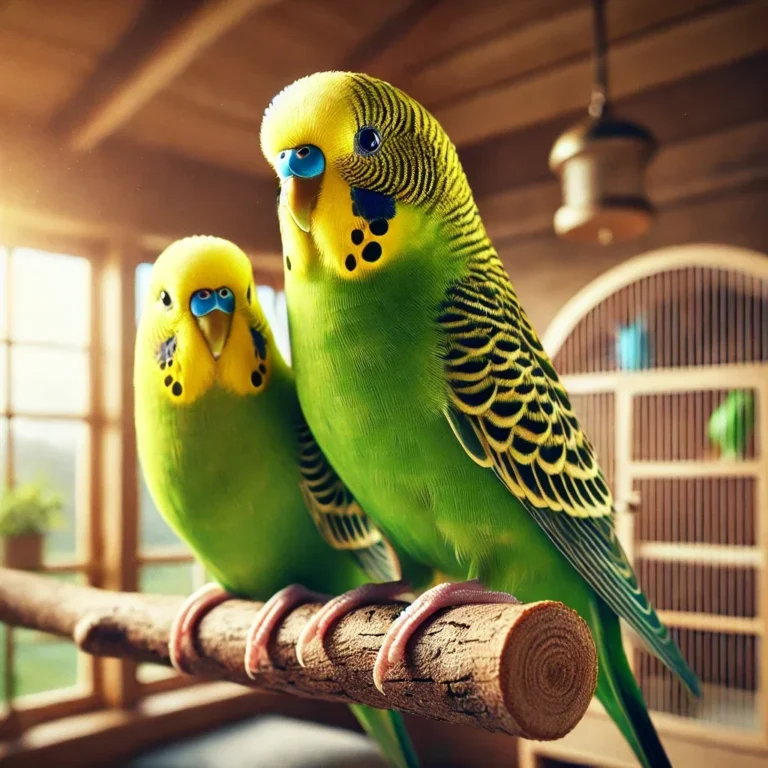
Budgies enjoy interactive play and are historically known for their high vocalizations. They love being held at light‑weight moments and often flutter close to a human’s hand. - Sulphur‑Crested Cockatoo – Wikipedia link: Sulphur‑Crested Cockatoo.
Cockatoos have an elevated social rank and expect daily mental stimulation. Many owners enjoy their dramatic wows and affectionate “nuzzles” around the face. - African Grey Parrot – Wikipedia link: African Grey Parrot.
Recognized as one of the world’s most intelligent birds, the African Grey is highly attuned to the emotional states of its humans and is willing to practise voice‑matching in a bid to please. - Kea (New Zealand Parrot) – Wikipedia link: Kea.
The Kea’s playful antics, curiosity, and love of puzzle toys turn daily care into a two‑way learning adventure. Though typically kept in research facilities, a few ethically sourced Keas are cared for in heavily regulated aviaries.
All five species share a common thread: a keen instinct for social interaction that makes them excellent therapy and companion birds. Many of these species require a high level of mental and social stimulation; neglecting this can lead to boredom, depression, and destructive behaviors—issues that thoughtful owners can prevent through consistent engagement.
How to Care for Pet Birds That Love Attention
The bond between an attentive bird and its owner grows best under conditions that respect the bird’s natural behavior while fostering safe human interaction. Below you’ll find a checklist that spans environment, feeding, mental enrichment, and health care.
Creating a Stimulating Environment
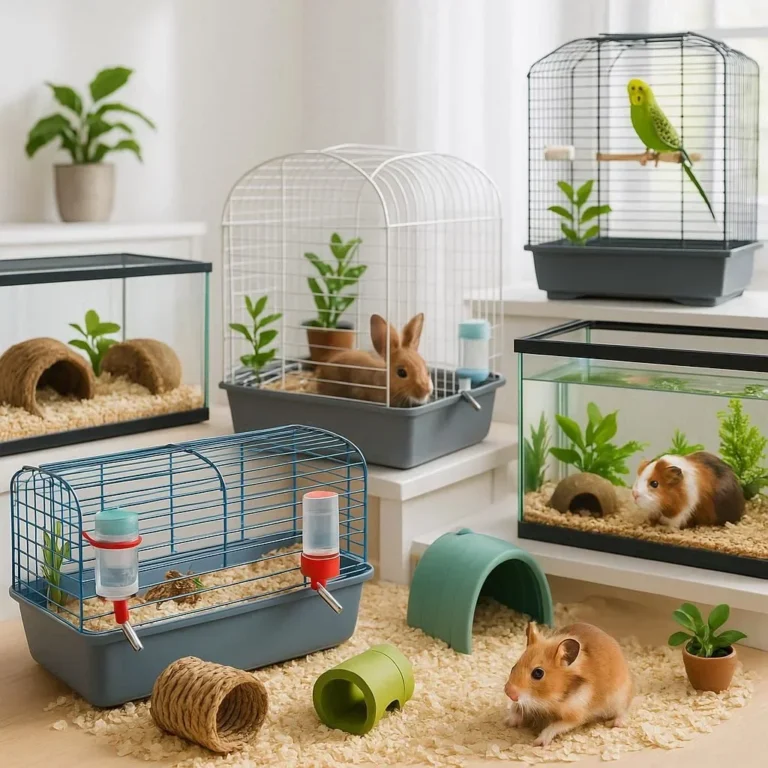
Use a spacious cage that allows safe exploration. Include a variety of perches, shapes, and materials in varying diameters to mimic natural branch options. Hanging toys such as macramé, mirrors, and crystal beads provide visual stimulation. Arrange the cage so it’s in a high‑traffic area of your home—birds that love attention thrive when they can observe their loved ones.
Feeding for Health and Bonding
A balanced diet — fresh greens, seeds, and a reputable pelleted mix—supports both physical health and mental alertness. Feed in a shallow bowl that encourages pick‑up, and consider daily interactions by offering a new treat each morning. According to the Cornell Lab of Ornithology, swapping the scent on each board 2–3 times a week can keep a curious brain engaged.
Daily Interaction Protocols
- Eye Contact and Vocalization: Start sessions with soft eye contact and simple words; many birds respond instinctively with repeated phrases.
- Hand‑Training Sessions: Offer a small treat for a gentle handshake, expanding to more complex tricks over weeks.
- Interactive Play: Use puzzle feeders that require the bird to manipulate objects, promoting problem‑solving skills.
- Quiet Time: Provide a quiet retreat for rest, ensuring the bird knows that your affection is balanced with autonomy.
Health Care and Routine Check‑Ins
Schedule annual vet visits with an avian specialist—see the American Veterinary Medical Association for credentialed clinics AVMA. Regularly inspect wingtips, beak shape, and feather condition for early signs of disease. Parasite control should follow guidelines from the United States Department of Agriculture’s Animal Welfare division USDA.
Pros and Cons of Owning Pet Birds That Love Attention
When deciding whether to bring an attentive bird into your home, it’s essential to weigh the joys against the responsibilities. Below we outline the benefits and potential challenges to help you make an informed choice.
Pros
- Effective storytellers – birds that love attention can engage in conversational exchanges, creating a lively atmosphere.
- Natural governance of stress – the presence of an attentive flock partner may decrease household tension, especially for older adults.
- Advanced learning opportunities – parrots bring about spontaneous “talk” that can improve human linguistic skills and emotional intelligence.
- Therapeutic potential: The Lucille P. Mitchell Center references studies indicating positive mental health outcomes when interacting with therapy birds such as certain parrots Cornell Lab.
Cons
- High maintenance demands, especially mental stimulation and diet control.
- Potential noise and shedding require time for cleaning.
- Risk of fragility or injury if used as pets without proper training.
- Longevity—many parrots live 20+ years, requiring long‑term commitment.
Owners who dedicate time, emotional bandwidth, and resources often find the reward far outweighs the constraints, as the bird’s loyalty and expressive presence compensate for the planning required.
Take the Next Step: Adopt, Learn, Care
Pet birds that love attention are not merely animals; they are partners who transform everyday moments into shared dialogues. Research from the National Aviary underscores that the strongest bonds form through deliberate, daily interaction and environment enrichment National Aviary. If you’re ready to welcome one of these affectionate companions into your life, we encourage you to:
- Visit reputable shelters or sanctuary programs that specialise in avian therapy and rehabilitation.
- Consult with an avian veterinarian to confirm health status and receive care guidelines.
- Begin training with small, consistent exercises that reward attentiveness.
Ready to start this remarkable partnership? Reach out today to learn how you can adopt a humble, feather‑ed friend who will reward you with boundless affection.
Frequently Asked Questions
Q1. What makes a bird “attention-loving”?
Attention-loving birds typically have high social intelligence and a natural inclination to engage with conspecifics and humans alike. They respond well to eye contact, voice cues, and touch, often mirroring human emotions. These traits stem from both evolutionary history—colonial species thrive on group bonding—and selective breeding that enhances docility and trainability. In everyday life, they enjoy being part of routine activities, such as hand‑training or interactive play.
Q2. Which species are best for first‑time owners?
Budgerigars and Amazon parrots are often recommended for beginners because they are relatively small, hardy, and quick to learn basic commands. African Grey parrots, while highly intelligent, demand more time for socialization and mental stimulation, so they’re better suited for experienced keepers. Soothed SIang‑Crested Cockatoos or Kea are powerful but require specialized training and environments. Assess your lifestyle and choose a species whose activity level and care needs align with your daily routine.
Q3. How often should I interact with my attention-loving bird?
Daily interaction is ideal, with short sessions of 5–10 minutes in the morning and evening. Consistent, gentle play and communication reinforce trust and prevent boredom. If you’re away for extended periods, provide puzzle feeders or interactive toys that mimic engagement. Gradually increase interaction as your bird shows comfort and curiosity.
Q4. What signs of stress should I watch for?
Look for feather plucking, headbanging, or excessive squawking as indicators of frustration. A sudden drop in appetite, drooping wings, or refusal to interact can signal health or social issues. Noise sensitivity, growling, and rapid breathing are also red flags. Early recognition and adjustment of the environment and routine can mitigate stress.
Q5. Can these birds be trained to perform tricks?
Absolutely. Attention-loving parrots thrive on training that offers mental stimulation and positive reinforcement. Start with simple behaviors like “sit” or “step up,” then progress to calling names or mimicking sounds. Consistency, rewards, and patience are key; a steady schedule of short training sessions yields the best results. Avoid forcing behavior, as it can create anxiety.