Small Dog Breeds for Apartments
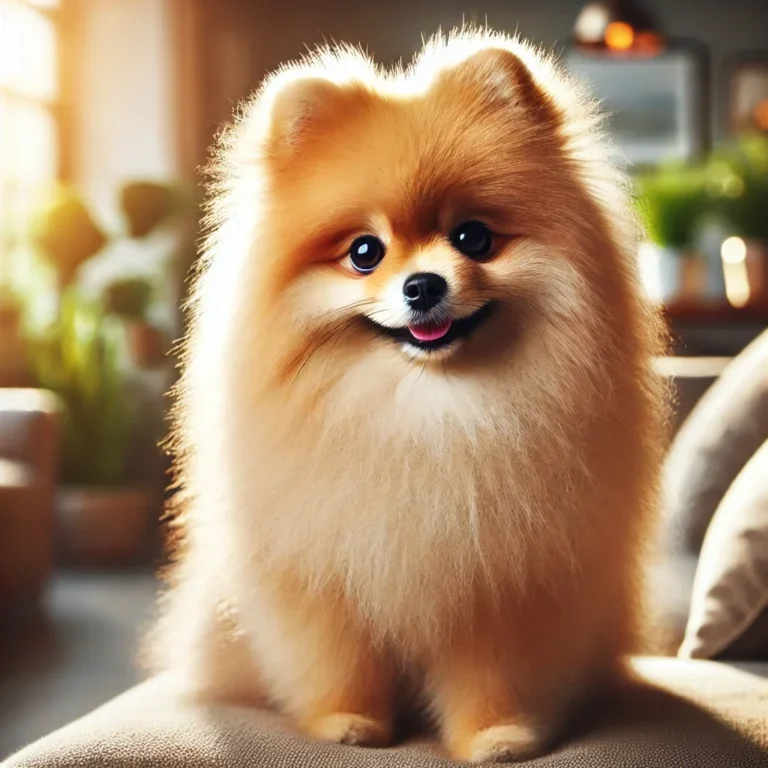
Living in a city apartment often means limited space, tighter schedules, and a need for a pet that adapts well to a smaller environment. If you love dogs but can’t commit to a large, high‑energy companion, small dog breeds for apartments might be the perfect fit. These breeds are not only compact, but they also have the temperament and energy level that make them ideal for indoor living.
Choosing Small Dog Breeds for Apartments
Before you pick a puppy, consider three key factors that align with apartment life: size, noise level, and exercise needs. A breed that is too large or excessively vocal will clash with the building’s quiet atmosphere. Likewise, a dog that requires extensive exercise may feel confined indoors and become restless. Small breeds typically weigh less than 25 lb (11 kg) and tend to sleep well in small spaces, making them apartment‑friendly options.
Size Matters: Weight and Space Requirements
Most apartments accommodate a dog that weighs 30 lb or less comfortably. Dogs under 20 lb usually require minimal space for daily movement and are better suited to short apartment rooms. Weight also affects veterinary care, feeding, and travel logistics.
Energy Level & Noise Production
Look for breeds that enjoy relaxed walks in the hallway or a cozy indoor play session. A quieter temperament reduces the chances of disturbing neighbors. Many small breeds, such as the Pug, are known for their calm disposition.
Exercise & Mental Stimulation
The right amount of activity can keep small dogs content at home. Tactical toy games, puzzle feeders, and short leash strolls fulfill both physical and mental needs without overexerting a small frame. By matching activity levels to the breed’s natural pace, you’ll keep your pup happy and reduce unwanted aerosol barking.
Top Small Dog Breeds for Apartments
Below is a list of some of the most popular small breeds that thrive in an apartment. Each one brings a unique blend of personality and maintenance that fits living in close quarters.
- Cavalier King Charles Spaniel: Shaggy, affectionate, and love being side‑by‑side with their owner. Highly adaptable to apartment sleeping arrangements.
- French Bulldog: Flat‑faceted, good guard, and non‑aggressive. Requires minimal grooming.
- Boston Terrier: Small, charming, and excellent with children.
- Shih Tzu: Known for its gentle nature and lovely long coat.
- Chihuahua: Tiny but fierce, perfect for single‑owner apartments.
Each of these breeds offers a relaxed temperament and low shedding, which keeps your apartment clean and reduces allergies. It is important, however, to look at individual dogs rather than just breed stereotypes because each dog’s personality can vary.
Beyond Breed: Apartment Care Essentials
Even the most suitable small dog needs proper care to thrive in a shared living environment. Here are essential tips that apply to all apartment dwellers.
- Secure Outdoor Time: Use a leash or, if safe, a well‑fenced balcony to give your dog a chance to stretch.
- Noise Management: Pick a suitable crate or bed location to control barking. When you know you will be away, offer chew toys or interactive treats.
- Regular Grooming: Brush weekly and bathe as needed. This reduces the chance of shedding and keeps the apartment smelling fresh.
- Training Basics: Sit, stay, and leash manners keep small dogs from curling in corners or creating pet‑induced stress for neighbors.
- Health Checkups: Keep up with vet visits. Small breeds can be prone to issues like patellar luxation or dental disease.
Resources such as the American Kennel Club provide breed‑specific health and care guidelines that are useful when you bring a small dog breed for apartments home.
How to Train Your Apartment‑Friendly Dog
Training is a pivotal element in a harmonious apartment living experience. Small dogs can become easily distracted, so consistency is the best strategy. Training a dog on basic obedience and providing indoor games like treat‑puzzle feeders or interactive toys ensures engagement without needing excessive outdoor time.
Positive reinforcement works best for apartment breeds. Praise, treats, and a calm voice are key. Avoid harsh punishments, as small dogs are sensitive and may develop neighborly tension if not handled properly.
Why Small Dogs Are the Secret to Apartment Happiness
Small dogs serve as gentle living companions that help break the isolation sometimes felt in city apartments. Their easy maintenance means you can enjoy a loyal friend without the heavy upkeep that large dogs demand. They’re often fully insured by pet insurance plans and can be admitted into many rental agreements that otherwise prohibit larger dogs.
Moreover, a small dog that is comfortable in a confined space uses less energy and thus produces fewer barking episodes, which keeps the building’s quiet allowances intact. It also means that your dog’s daily routine can be adapted to fit around work or night‑shift schedules.
Make the Final Decision with Confidence
Choosing the right small dog breed for apartments requires balance between your living situation and the dog’s natural tendencies. The breeds listed above—French Bulldog, Shih Tzu, Boston Terrier and others—have won hearts for good reason. Each offers a soothing, affectionate demeanor suitable for apartments.
When adopting, consider rescue shelters and reputable breeders. A healthy puppy or adult dog that matches the size and temperament guidelines will ensure that your apartment and your new companion live in harmony.
Conclusion: Your Ideal Apartment Companion Awaits—Adopt Today!
In today’s urban lifestyle, the right small dog breed can become a source of joy, companionship, and quiet relaxation. Follow the guidelines above, choose a dog that matches your daily schedule, and you’ll experience the full benefits of living beautifully with a small canine friend. Ready to bring home your new roommate? Start by visiting local shelters and trusting your instincts—your future furry apartment partner just might be waiting for you.