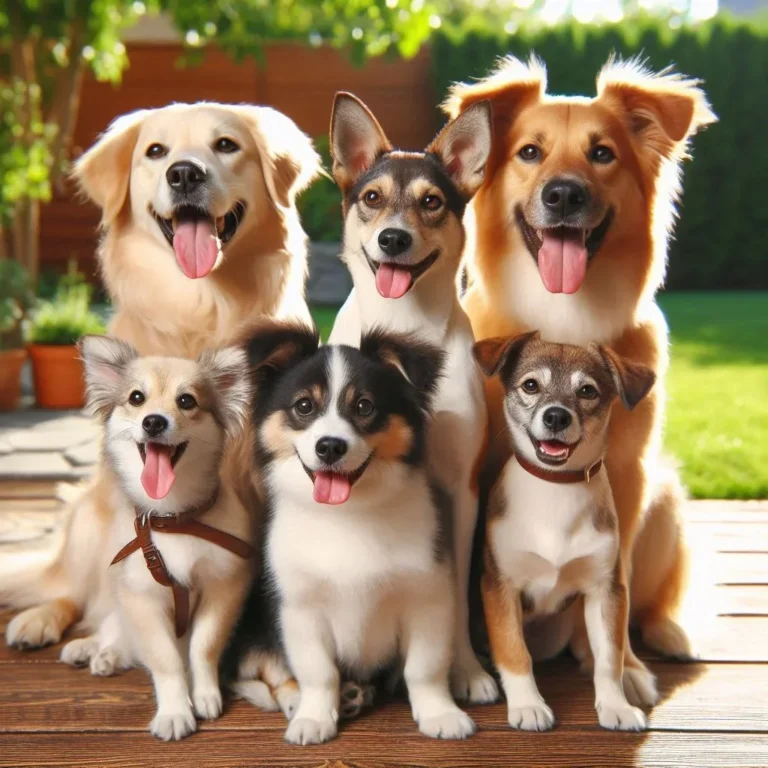
Guard Dog Breeds for Protection
When you’re thinking about fortifying your household security, the phrase “Guard Dog Breeds” naturally comes to mind. These loyal four‑legged companions are not merely affectionate pets; they are trained to evaluate threats, deter intruders, and protect loved ones. In this guide, we’ll dive deep into the most reliable guard dog breeds for home protection, examine their temperament traits, discuss the fundamentals of training and socialization, and walk you through choosing the perfect match for your family’s lifestyle. By the end, you’ll be equipped with the knowledge you need to confidently select a guard dog that balances vigilance with gentleness in your daily life.
Top Guard Dog Breeds for Home Protection
Below is a curated list of guard dog breeds known for their natural protective instincts and proven track record in home security settings. Each breed brings a unique blend of intelligence, stamina, and courage, making them standout choices for safeguarding your property.
- German Shepherd – Exceptional versatility, high trainability, and an innate sense of duty.
- Doberman Pinscher – Sleek athleticism paired with keen alertness.
- Belgian Malinois – Undaunted work ethic and rapid responsiveness.
- Rottweiler – Hardy build and steady presence make them reliable sentries.
- English Setter – While renowned for hunting, its strong protective command makes it an effective guardian when properly trained.
Key Temperament Traits of Guard Dog Breeds
Protective instincts alone do not guarantee a dog will serve as a secure home guardian. Effective guard dog breeds share several key temperament characteristics that enable them to perform their duties safely and responsibly.
- Alertness – A constant awareness of the surroundings allows the dog to detect subtle changes, such as unfamiliar voices or sudden movements.
- Obedience – A strong bond with a trustworthy owner and the ability to follow precise commands are essential for preventing protect‑and‑attack misfires.
- Stoicism under Stress – Dogs that maintain composure when confronted with loud noises, crowds, or accidental visitors are less likely to overreact.
- Balanced Aggression – Adequate assertiveness to deter intruders, coupled with a self‑control mechanism to avoid unnecessary harm.
- Bond with Family – While territorial, guard dog breeds must also exhibit loyalty and affection toward their household.
Training and Socialization for Guard Dog Breeds
Professional training is the first line of defense when preparing guard dog breeds for home protection. Training programs should focus on shaping the dog’s natural instincts while fostering respect for both humans and guests.
- Basic Obedience Courses – Leaders help an experienced handler develop a reliable “sit,” “stay,” and “leave it” system.
- Commanded Guard Work – These sessions involve simulated intruder scenarios, encouraging the dog to identify threats and respond under an owner’s guide.
- Socialization Events – Exposure to varied environments, noises, and other animals reduces fear-based reactions that might turn protective instincts into confusion.
- Professional Instructors – Certified trainers accredited by the American Kennel Club (AKC Training) or dog‑behavior specialist organizations bring structured methodology that aligns with each breed’s particular needs.
Because guard dog breeds can be sensitive to the owner’s mood, it’s crucial that the handler remain calm and confident throughout training sessions. Consistency and positive reinforcement lead to slower, safer learning curves and help mitigate the potential for aggression when the dog senses conflict.
Choosing the Right Guard Dog Breeds for Your Family
When selecting guard dog breeds, consider the following lifestyle factors to ensure a seamless integration of your new guardian into daily life:
- Space and Exercise Needs – Breeds such as Rottweilers and German Shepherds demand large yards and vigorous exercise regimes to stay mentally and physically satisfied.
- Allergy Considerations – Low‑shedding breeders or breeds like the Portuguese Water Dog can be more allergy‑friendly.
- Age and Energy Levels – Youthful breeds typically require more structured training, whereas mature dogs might be more naturally inclined to guard duties.
- Cost of Care – Veterinary care, specialized food, and training costs can be significant for large guard dog breeds; prospective owners should plan accordingly.
- Legal and Neighbor Considerations – Consult local animal‑control statutes and inform neighbors of a new guard dog to avoid misunderstandings.
It’s essential to match the dog’s temperament with your household’s dynamics. Families with young children or elderly individuals may favor breeds known for watchful gentility, while high‑activity households might benefit from an assertive, highly trainable breed.