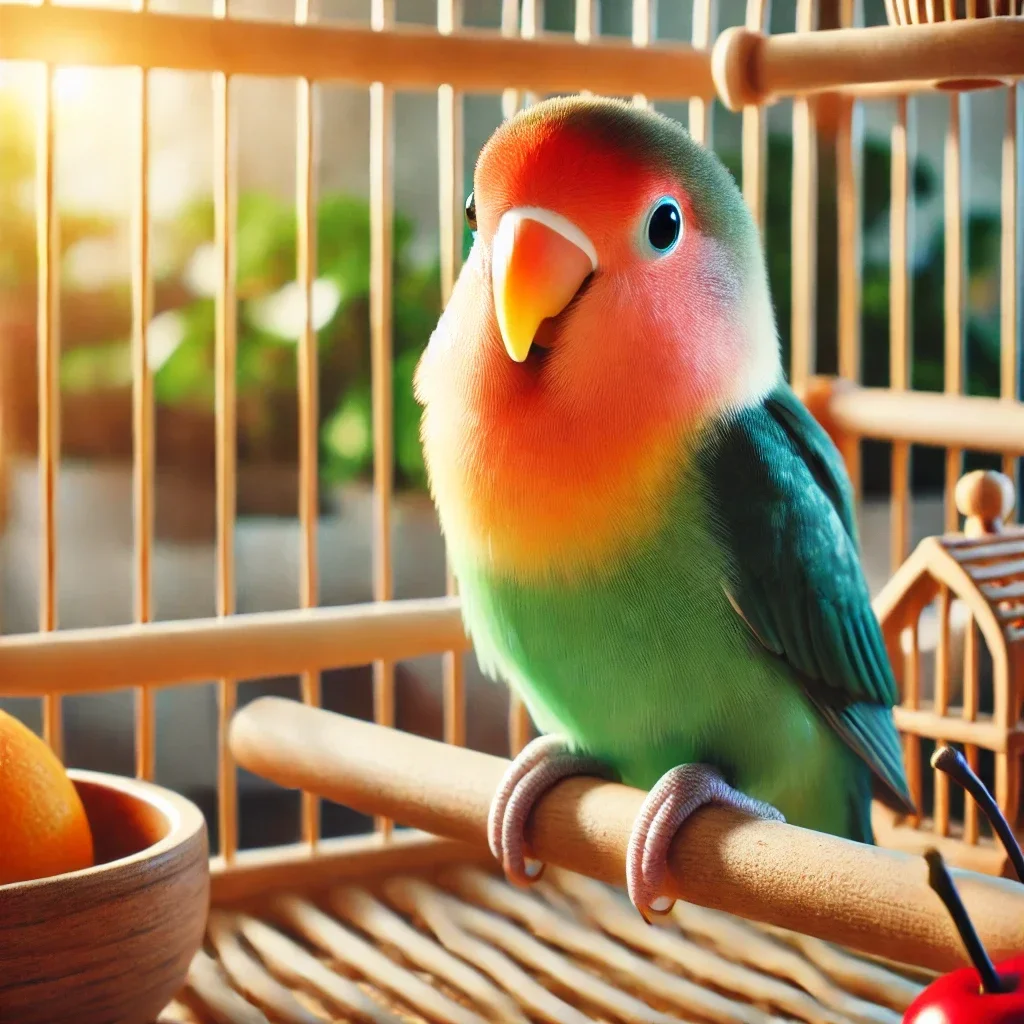
Cage Friendly Small Pets Guide
Looking for a pet that loves the freedom of a well‑structured environment but can comfortably live in a cage? These cage friendly small pets offer companionship without the mess of a full‑time outdoor dog. Whether you live in an apartment, have limited yard space, or simply prefer a more controlled pet, choosing a cage‑compatible animal can provide an engaging, low‑maintenance experience. This guide examines the essential traits of cage friendly small pets, highlights the five best options, and shares tips for designing a comfortable habitat and meeting their health needs.
Cage Friendly Small Pets: What Makes Them Ideal?
The first question for any prospective pet owner is, “What makes an animal suitable for cage living?” While there is no universal definition, a few key characteristics help determine cage compatibility:
- Low aggression and steady temperament: Animals that are naturally calm and avoid constant aggression are easier to house in a confined space.
- Low grooming and waste‑production needs: Pets that shed minimally and generate less litter are simpler to maintain.
- Exercise habits that can be accommodated in a cage: The animal should be able to get regular exercise with minimal danger outside the enclosure.
- Social requirements that can be satisfied in a small setting: They should either thrive as companions to humans or with minimal space‑dependent enrichment.
These factors reduce stress on both animal and owner and promote a harmonious living situation where the pet remains active, healthy, and happy.
Top 5 Cage Friendly Small Pets for Beginners
Below is a curated list of five cage friendly small pets that strike the best balance between ease of care and engaging personalities. Read on to discover their key traits and how to begin a successful partnership.
- Guinea Pig: Guinea pig – Gentle, social, and easy to feed. They thrive in larger perches and can live happily in a spacious cage measured at least 7‑foot (2.1 m) long.
- Hamster: Hamster – Independent, nocturnal, and excellent for beginner owners. They love a clear cage with ample wheels and chew toys.
- Gerbil: Gerbil – Curiosity and burrowing instincts make them fun to observe. Their small size means a minimal yet functional enclosure is sufficient.
- Chinchilla: Chinchilla – Ultra‑soft fur, nocturnal behavior, and excellent at adapting to social interaction. They require a tall crate with hanging branches.
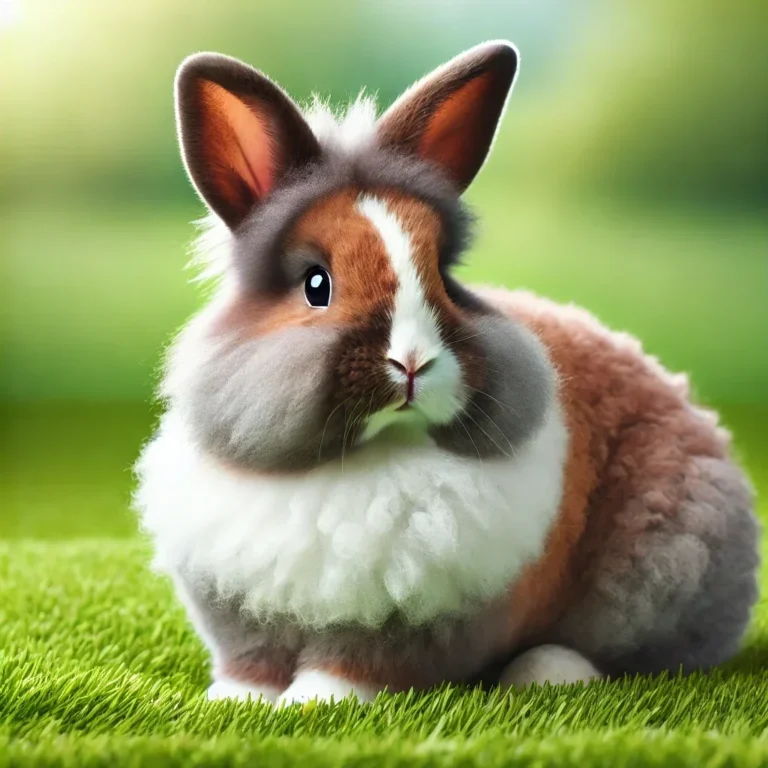
- Dwarf Rabbit: Dwarf rabbit – Plush, playful, and sociable. They benefit from a heavily ventilated cage with plenty of tunnels for exercise.
Designing a Cage for Optimal Cage Friendly Small Pets
Building the right environment is as crucial as selecting the right pet. A well‑designed cage improves the animal’s overall wellness and reduces potential health risks. Key elements to consider include:
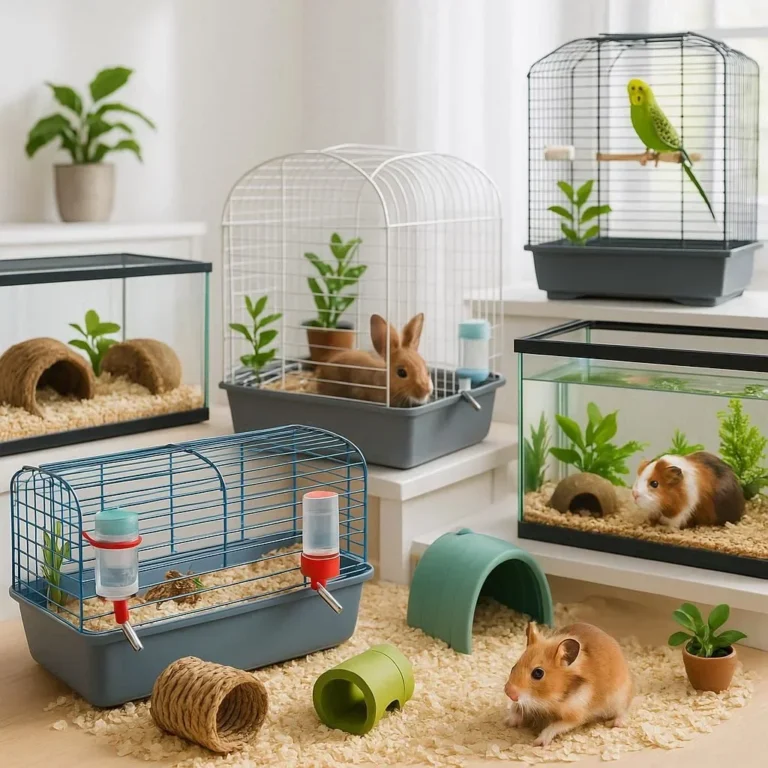
- Size and Shape: The cage should provide room to stand, turn, and stretch. A minimum 10‑by‑12‑inch ceiling for rodents and 7‑by‑3‑foot length for guinea pigs is typically recommended.
- Ventilation: Ensure adequate airflow to prevent respiratory issues. Mesh panels paired with a top hatch typically provide a good balance.
- Materials: Use sturdy, non‑porous metals for framing and wire grids. Avoid cages made from PVC or G‑al wire due to potential environmental toxins. For rabbits, a wire or wholly wood‑based enclosure may be better.
- Accessories: Provide perches, chew toys, hiding spots, and enrichment items that correspond to the pet’s natural behavior. For example, a hamster wheel, a guinea pig running ball, or a chinchilla balcony are all excellent additions.
- Cleaning and Hygiene: A simple scoop or a replaceable litter bottom can make routine cleaning less laborious. Cleaning schedules of 2–3 weeks for rodents and monthly for rabbits help maintain optimal hygiene.
For more detailed cage designs, the U.S. Department of Agriculture’s animal welfare guidelines provide helpful general case studies. Consult the USDA homepage for links to specific research on small pet environments.
Health and Care of Cage Friendly Small Pets
Proper care remains paramount. Below are key chronologies each owner must follow:
- Diet: Tailor nutrition to the pet’s species. Microchipped guinea pig diets are heavily based on hay and vitamin‑rich pellets. Dogs may mistake crackers for treats—always supply given list‑based dumb complied.
- Grooming: Bathing elves, infrequently areas and hugging Rood. Implement routines to ensure the pet remains fresh and healthy.
- Exercise: Even confined animals need vigorous muscle activity. Use hamster wheels, perches, or timed play sessions.
- Veterinary Visits: Schedule annual check‑ups, especially for rabbits and chins. Vaccines and parasite checklists are available from the American Veterinary Medical Association (avma).
- Social Interaction: Many small pets thrive on human affection. Spending a few minutes daily for grooming, petting, or listening can help rodent emotional well‑being.
Adopting a preventive healthcare routine lowers health issues and extends life expectancy for your cage friendly small pets.
FAQs About Cage Friendly Small Pets
Below are some common questions prospective owners frequently ask.
- Can I keep my pet outdoors from time to time? Yes, but only with proper shelters and safer environments. Extreme temperatures and predators can pose serious risks.
- Do small cage pets need a daily exercise session? Most do, especially active species like hamsters, choose short bouts of extended and wheel or tunnel usage.
- Is a baby-sized cage adequate? No, a cage that is too small compresses natural movement and can lead to obesity and joint issues.
- How often should I replace the cage’s bedding? Every two to three weeks for rodents; replace monthly for rabbits to avoid mold or bacterial growth.
- How to mitigate stress during unknown environment changes? Gradual introductions, training sessions, and continuous reward systems build trust over time.
For further reading on cage security and related best practices, refer to the comprehensive reports at the Cornell University Department of Animal Sciences (Cornell Animal Sciences). The National Animal Welfare Guarantee program (nawg) offers useful checklists and guidelines for small pet owners.
Ready to choose a cage friendly small pet that will fit into your active, tidy lifestyle? Explore reputable breeders or shelters, gather the necessary gear, and introduce a new friend into a securely designed enclosure today. Your next best companion might just be a guinea pig, hamster, gerbil, chinchilla, or dwarf rabbit—whichever your heart calls!
Frequently Asked Questions
Q1. What are the most popular cage friendly small pets?
Guinea pigs, hamsters, gerbils, chinchillas, and dwarf rabbits are top choices. Each offers unique personalities and care needs, yet all thrive in well‑designed enclosures. Their low grooming and waste production make them suitable for apartment living.
Q2. How big should a cage be for these pets?
Space varies by species: guinea pigs need at least 7 ft by 3 ft, hamsters and gerbils require a minimum of 10 in by 12 in ceiling, chinchillas benefit from tall cages with perches, and dwarf rabbits enjoy spacious, ventilated enclosures. Larger space encourages exercise and reduces stress.
Q3. Do cage friendly small pets need daily exercise?
While their environments are limited, regular activity is essential. Provide wheels, tunnels, or supervised out‑of‑cage play to keep muscles strong and prevent obesity. A brief daily session keeps their minds engaged.
Q4. How often should I clean their cages?
For rodents, a tidy cage every two to three weeks is ideal. Rabbits require monthly litter changes to avoid mold and bacterial build‑up. Consistent cleaning prevents respiratory issues and maintains longevity.
Q5. Can I let my pet outside sometimes?
Occasional outdoor exposure is possible with a secure shelter and safe enclosure. Avoid extreme temperatures or predators. Always supervise to ensure their safety and comfort.