Best Cats in Multi‑Pet Homes
Choosing the right feline companions is crucial when you already have one or more cats at home. A well‑matched group can reduce stress and increase playfulness, turning a single‑cat household into a harmonious, multi‑pet community. In this guide, we’ll explore the best cats for multi‑pet homes, highlighting the traits that make for seamless integration, and offering concrete breed recommendations backed by expert insights.
Key Traits of Cat Compatibility
Before diving into specific breeds, it’s helpful to understand what traits make a cat a good candidate for lives with others. Cats that thrive in multi‑pet environments typically share these characteristics:
- High social tolerance: They show curiosity rather than aggression when meeting new cats.
- Low territoriality: They are comfortable sharing shared spaces like litter boxes and nap spots.
- Active yet calm: Healthy energy but not overly hyper, reducing noisy disruptions.
- Gentle grooming habits: A preference for social grooming that reinforces bonds.
- Adaptable temperament: Satisfactory response to new routines and changing household dynamics.
These attributes reduce the risk of clash, litter box disputes, and feeding territorial disputes.
Top 5 Best Cats for Multi‑Pet Homes
Below are five breeds that consistently rank high among veterinary and cat‑behavior researchers for their friendly nature and compatibility with other felines.
Siamese Cat
Known for their vocal but affectionate demeanor, Siamese cats thrive on companionship. Their social tendency and tendency to seek attention ensures they rarely feel lonely when a new cat joins the household. Compatibility tip: Pair with quieter, non‑aggressive cats to maintain the balance.
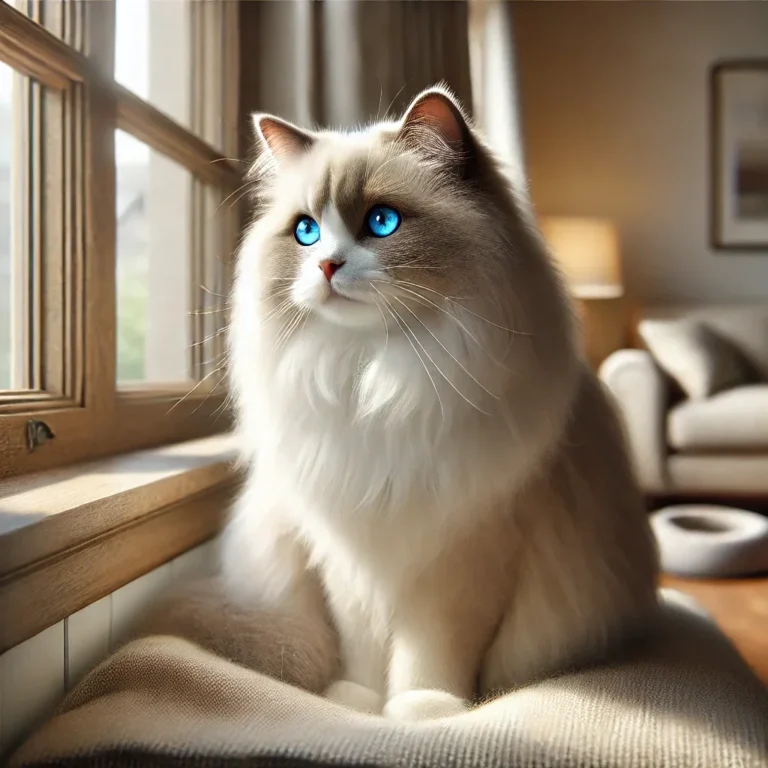
Ragdoll Cat
The Ragdoll’s laid‑back temperament and love of cuddles make them ideal for poly‑cat environments. They seldom display dominant or violent behaviors and often provide gentle companionship.
Bengal Cat
Bengals combine exotic looks with a surprisingly calm disposition. While they possess bursts of energy, they often cooperate with other cats, especially when provided with interactive toys and vertical spaces.
Scottish Fold
With their gentle vocalization and inquisitive curiosity, Scottish Folds are naturally sociable. Their calm demeanor mitigates conflicts, making them a favorite in multi‑cat households.
Exotic Shorthair
Less demanding of grooming and highly friendly, Exotics enjoy playing with other cats and often prefer the company of human and furred friends alike.
Introducing a New Cat to Your Existing Feline Family
Even the best‑suited breeds can experience initial friction. Below are evidence‑based steps from the American Association of Feline Practitioners to smooth the transition:
- Separate spaces for the first week: Provide a dedicated room for the newcomer to acclimate.
- Controlled scent exchange: Swapping items like blankets gradually introduces each cat’s scent.
- Positive reinforcement: Reward calm interactions with treats to associate the new presence with a positive experience.
- Continue ongoing veterinary consults to address any behavioral changes early.
For full guidance, see AAFP’s Cat Introduction Resource.
Maintaining Harmony: Routine and Resources
Consistency is key. Providing multiple litter boxes, feeding stations, and vertical play areas reduces competition. Regular play sessions using interactive toys—like feather wands for Bengals or scratching posts for Scottish Folds—foster teamwork and reduce solitary frustration.
Vet partners and feline behaviorists suggest increasing environmental enrichment to maintain high social tolerance. Check PetMD’s Cat Breeds Overview for broader grooming and diet tips.