What Do Rabbits Eat? A Complete Rabbit Diet Guide
Many people picture a rabbit happily munching a carrot, but that cartoon image has caused a lot of confusion. A healthy pet rabbit’s diet is built mainly on hay, with fresh greens and a small amount of pellets. Getting the balance right protects your rabbit’s teeth and delicate digestive system, and it is one of the most important things you can do for a long, healthy life.
Why Diet Matters So Much for Rabbits
Rabbits’ teeth grow throughout their lives. They need to chew fibrous food for long periods each day to wear them down evenly. Without enough chewing, teeth can overgrow and form painful sharp points. Rabbits also have a gut designed to process large amounts of fibre. When fibre is too low, the gut can slow down or stop – a serious condition known as gut stasis that needs urgent veterinary care.
Hay: The Foundation of the Diet
Good-quality grass hay should make up the vast majority of what your rabbit eats, and it should be available at all times. A common guideline is that a rabbit should eat a pile of hay roughly the size of its own body every day.
Choosing Good Hay
Look for hay that is green, sweet-smelling and free of dust or mould. Timothy, meadow and other grass hays are ideal for adult rabbits. Alfalfa hay is richer in calcium and protein; vets sometimes recommend it for young, growing rabbits, but it is generally too rich as the main hay for adults.
Encouraging Hay Eating
Place hay next to the litter box, because rabbits like to eat and toilet at the same time. Refresh hay daily so it stays appealing, and try different types if your rabbit is fussy.
Fresh Greens and Vegetables
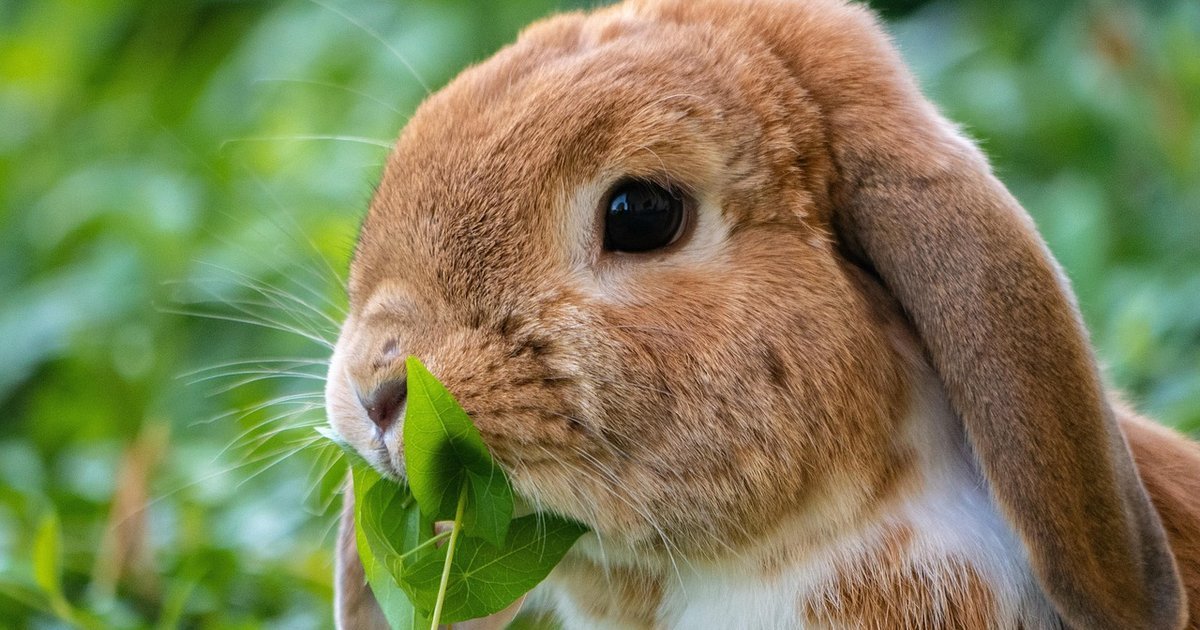
Leafy greens add moisture, vitamins and variety. Introduce new greens one at a time in small amounts and watch the droppings for a day or two. Safe options for most rabbits include:
- Coriander, mint and parsley.
- Romaine lettuce (avoid iceberg lettuce, which offers little nutrition).
- Carrot tops, celery leaves and dandelion greens from pesticide-free areas.
- Bell pepper and small amounts of broccoli leaves.
Wash all vegetables thoroughly. Offer a mix of a few types each day rather than a large amount of one.
Pellets: Useful but Limited
Plain, high-fibre rabbit pellets provide balanced nutrients, but they should be a small part of the diet. Too many pellets fill rabbits up so they eat less hay, which can lead to weight gain and dental problems. Avoid colourful muesli-style mixes; rabbits tend to pick out the sweet, starchy bits and leave the rest, leading to an unbalanced diet.
Treats: Small and Occasional
Fruit and root vegetables such as carrots are high in sugar, so they are treats rather than staples. A thumbnail-sized piece of apple (without seeds), banana or carrot a few times a week is plenty. Use treats for training and bonding.
Foods to Avoid
Never feed rabbits:
- Chocolate, sweets, biscuits, bread or breakfast cereals.
- Onions, garlic, leeks or chives.
- Avocado.
- Potatoes and potato peels.
- Seeds, nuts and corn.
- Houseplants, which may be toxic.
- Large amounts of fruit or any mouldy food.
Water
Rabbits need constant access to fresh water. Many rabbits drink more from a heavy ceramic bowl than a bottle, because it feels more natural. Whichever you use, clean it daily and check it twice a day in hot weather.
Understanding Caecotrophs
You may see your rabbit eating soft, shiny droppings straight from its bottom. These are caecotrophs, a special nutrient-rich dropping that rabbits must re-eat to absorb vitamins and protein. It is normal and healthy. If you find lots of uneaten caecotrophs stuck to fur, the diet may be too rich, so speak to your vet about adjusting it.
Signs Your Rabbit’s Diet Needs a Change
Watch for these warning signs:
- Small, dry or fewer droppings.
- Weight gain or a soft, round belly.
- Drooling, dropping food or chewing on one side.
- Leaving hay uneaten.
A rabbit that stops eating or stops producing droppings for more than a few hours needs urgent vet care.
Building a Simple Daily Feeding Routine
A routine makes it easier to spot changes. Many owners refresh hay and water first thing in the morning, offer a measured portion of pellets once a day and give a mixed bowl of greens in the evening, when rabbits are naturally more active. Keep feeding times consistent, and count the droppings in the litter tray each day; a full tray of round, well-formed droppings is one of the best signs of a healthy gut. For more on keeping rabbits comfortable, see our rabbit grooming tips guide and our best rabbit toys to keep them active.
Feeding Young and Senior Rabbits
Baby rabbits under about six months have different needs from adults, and many vets allow more pellets and some alfalfa hay while they grow. Introduce greens slowly at this age, one type at a time. Older rabbits may lose weight or develop dental problems, so they sometimes need softer greens, soaked pellets or a diet plan from the vet. Whatever the age, change the diet gradually over one to two weeks.
FAQ
Can rabbits eat carrots every day?
Carrots are high in sugar, so they should be an occasional treat. Carrot tops are a better everyday green.
How much hay should a rabbit eat?
Hay should be available all the time. Most rabbits eat roughly their own body size in hay each day.
Can rabbits eat fruit?
Yes, in very small amounts as a treat. Remove seeds and pips, and avoid daily fruit.
Why has my rabbit stopped eating?
A rabbit that stops eating may have gut stasis, dental pain or another illness. Contact a vet who treats rabbits as soon as possible.