Best Police Dog Breeds Explained
When it comes to Best Police Dog Breeds Explained, law enforcement agencies around the globe rely on specific breeds that combine intelligence, trainability, and a strong work ethic. These police dogs embody the very best of canine detection and protection, making them indispensable members of the K‑9 unit. Understanding which breeds excel in various duties—whether at the front lines of search and rescue or in the streets intercepting threats—helps officers make informed choices that enhance overall unit effectiveness.
1. German Shepherd: The Classic K‑9
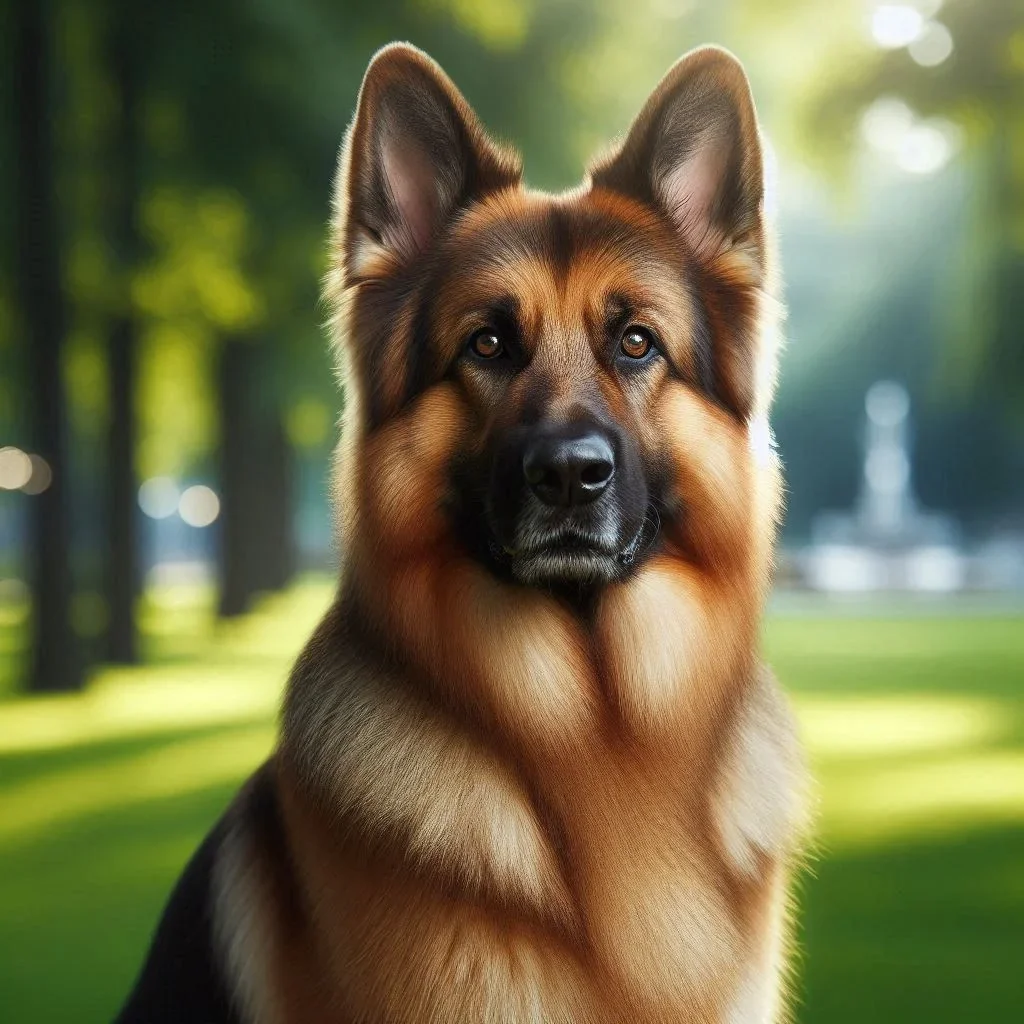
The German Shepherd, often the first breed people think of when picturing a police dog, has stood the test of time across decades of service. Renowned for its intelligence and versatility, this breed can manage tasks ranging from narcotics detection to crowd control. Their robust build and powerful senses make them ideal for tracking, apprehension, and even search-and-rescue missions. The breed’s appetite for tasks aligns well with the rigorous German Shepherd genetics, allowing effective FBI K‑9 training programs to refine their natural abilities.
2. Belgian Malinois: The Modern Favorite
Belgian Malinois have surged in popularity in the past twenty years, especially among U.S. Police and Tactical units. Less heavy than the German Shepherd yet equally determined, the Malinois offers agility, endurance, and an unwavering sense of direction. Officers appreciate how the breed handles high‑pressure situations—whether rapid pursuit or counter‑terror operations—without the bulk that can sometimes slow down other breeds. Their Belgian Malinois lean frame also translates into fewer health complications over long duty cycles, an important factor for K‑9 longevity.
3. Dutch Shepherd: Versatility in Action
The Dutch Shepherd brings an outsized presence across a spectrum of law enforcement roles. Known for a blend of playfulness and seriousness, they excel in patrol duty, explosive detection, and search-and-rescue. Their medium size allows them to navigate different environments, from cramped back alleys to open mass‑event sites, while maintaining the temperament needed for calm, focused service. Dutch Shepherds are celebrated for their excellent socialization skills, making them compatible with civil workers and community policing initiatives.
4. Labrador Retriever: Service Beyond Detection
While traditionally connected with search-and-rescue or therapy, Labrador Retrievers increasingly fit into police work that requires gentle handling and broad public interaction. Their natural curiosity, high trainability, and amiable demeanor render them perfect for community outreach, drug‑detection during public events, and even search for missing persons in rural settings. Add to that the breed’s Labrador Retriever genetic predisposition for retrieving, and you have a well‑rounded service dog capable of operating in both hard‑edge and hard‑on‑people roles.
5. Quick Breed Comparison List
- German Shepherd – best for multi‑role service and protection.
- Belgian Malinois – ideal for rapid pursuit and tactical units.
- Dutch Shepherd – versatile for patrol, explosive detection, and counter‑terror.
- Labrador Retriever – excels in detection, community outreach, and public interaction.
6. Training and Deployment Considerations
Choosing a police dog breed is only the first step; appropriate training is critical for unlocking its full potential. Core training modules usually include obedience, scent detection, bite control, and situational awareness. Law enforcement agencies often partner with government‑approved K‑9 training centers that provide credentialed instructors to ensure consistent standards across units. An essential component of training is health and nutrition—maintaining an optimal body condition helps prevent injuries and extends a K‑9’s career lifespan.
Deployment strategies also vary by breed. For instance, German Shepherds and Belgian Malinois can be staggered across squads to provide both an aggressor‑deterrent presence and a reliable search and rescue companion. Dutch Shepherds often rotate between service roles, maximizing work versatility. Labradors, by contrast, may participate in large‑scale public safety events, balancing their service demands with community engagement responsibilities. Idle time for each breed must be balanced with mental stimulation to ward off boredom‑induced behavioral issues.
Conclusion: Choosing the Right Canine Partner
In sum, the Best Police Dog Breeds Explained highlight a roster of proven performers that align with differing law‑enforcement objectives. While the German Shepherd remains a foundational workhorse, the Belgian Malinois brings razor‑sharp agility, the Dutch Shepherd offers a balanced all‑rounder, and the Labrador Retriever provides touch‑and‑feel support in public affairs. By pairing the appropriate breed with disciplined structured training and health protocols, K‑9 units can maximize impact.
Ready to upgrade your K‑9 unit? Discover the best police dog breeds explained and elevate your service dog program today. Learn more about certified training.