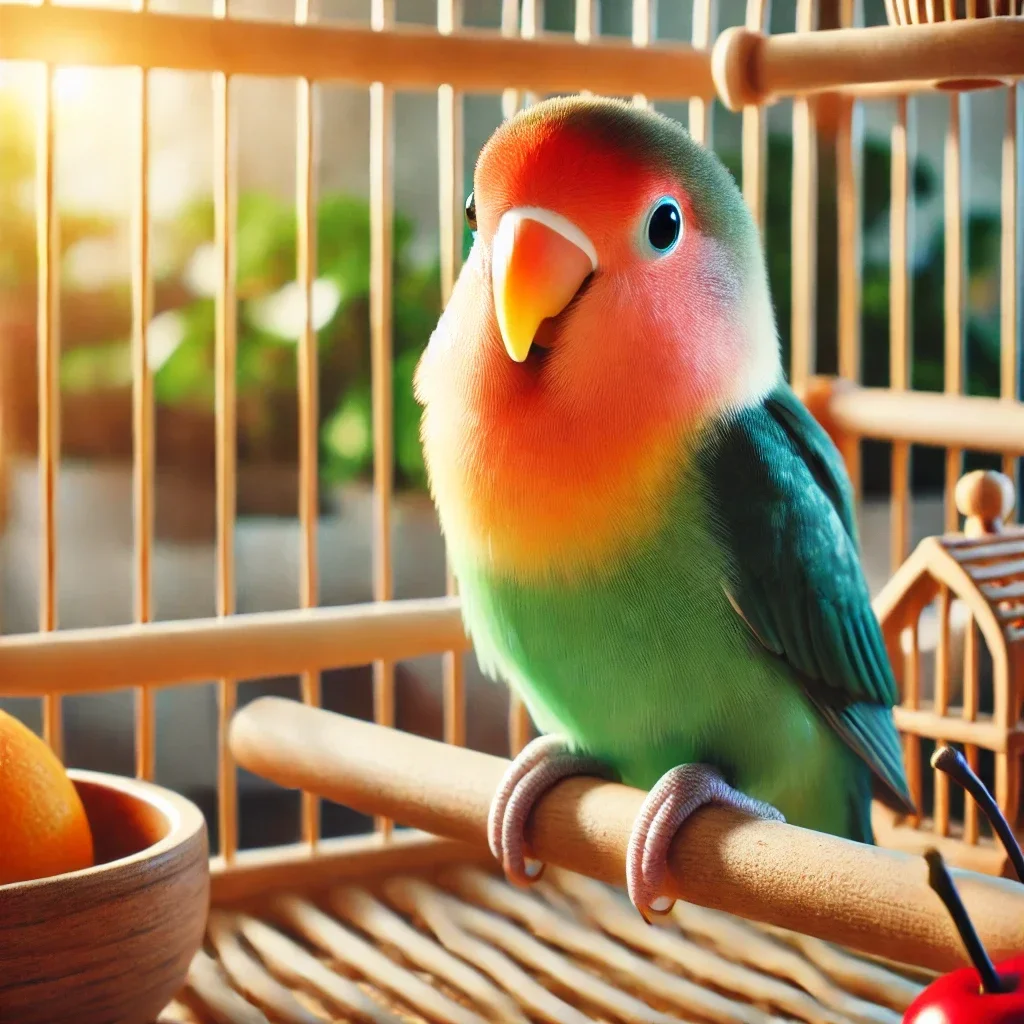
Pet Birds Bond Strongly
Choosing a pet bird that forms a strong bond with you isn’t just about its colorful feathers or melodic chirps – it’s about an intimate companionship that can last a lifetime. Pet Birds Bond Strongly is a concept that has captivated animal lovers worldwide, especially since studies on avian social behavior have shown these birds thrive when given companionship and mental stimulation. Because of this, the most popular winged companions – from the intelligent African Grey to the affectionate Lovebird – all rank high in bonding potential. In this guide we’ll explore the top pet birds that naturally connect with humans, delve into their unique personalities, and share essential care tips for fostering a lifelong relationship.
African Grey Parrots: Master Conversationalists
The African Grey Parrot (African Grey Parrot) is renowned for its remarkable mimicry and emotional depth. With a lifespan of 30–50 years and a social intelligence comparable to that of a 4‑year‑old child, these parrots quickly learn to read your moods and respond accordingly. They thrive on routine, affection, and interactive play, which deepens the human‑bird bond within days.
- Use puzzle toys that reward verbal praise.
- Set aside 15–20 minutes daily for gentle talking and light tapping.
- Rotate a few different treats to stimulate curiosity.
Experts advise that the key to bonding with an African Grey is to treat them as “birds you speak to” rather than “things you own.” This approach boosts their confidence and encourages sustained interaction. When the parrot explores beyond its cage, they often sing or chatter in sync with your own conversation – a sign of a very strong bond.
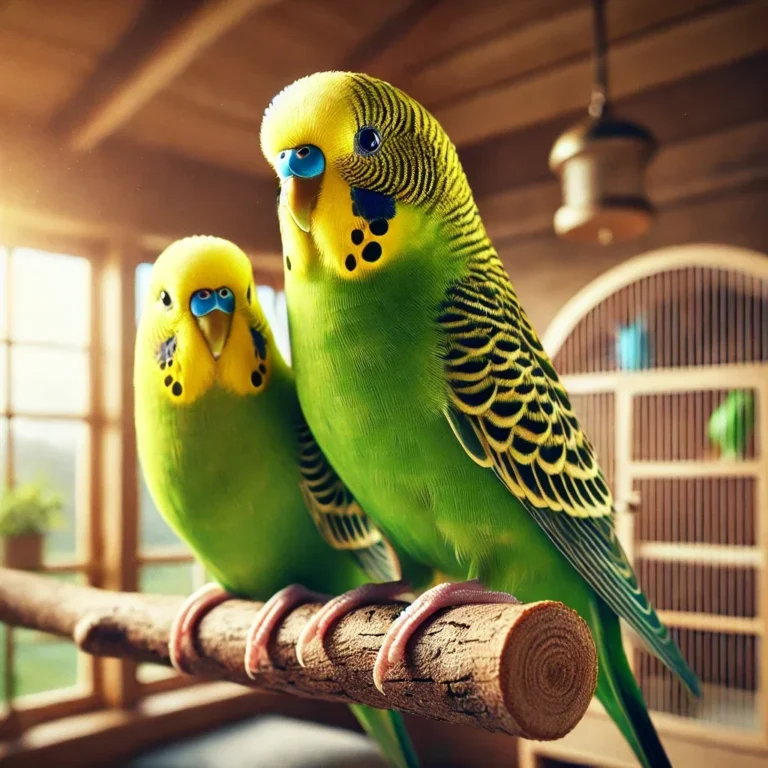
Budgerigars (Budgies): Small Birds, Big Hearts
Budgerigars, or budgies, are small but surprisingly social. They form bonds quickly with owners who offer consistent affection and stimulating environments. A budgerigar that purrs in your chest or flaps its wing towards you during a game of feather‑tag demonstrates a tight attachment. Their diet primarily consists of seeds, which means a daily feed of fresh pellets and a variety of vegetables keeps them vital and socially engaged.
Because budgies communicate with fluttering wing movements and soft chirps, they are ideal for families with kids. Teach them basic words, then let them practice by speaking your name or the names of household members. This interactive repetition helps the bird internalize his identity in your social circle, further cementing that bond.
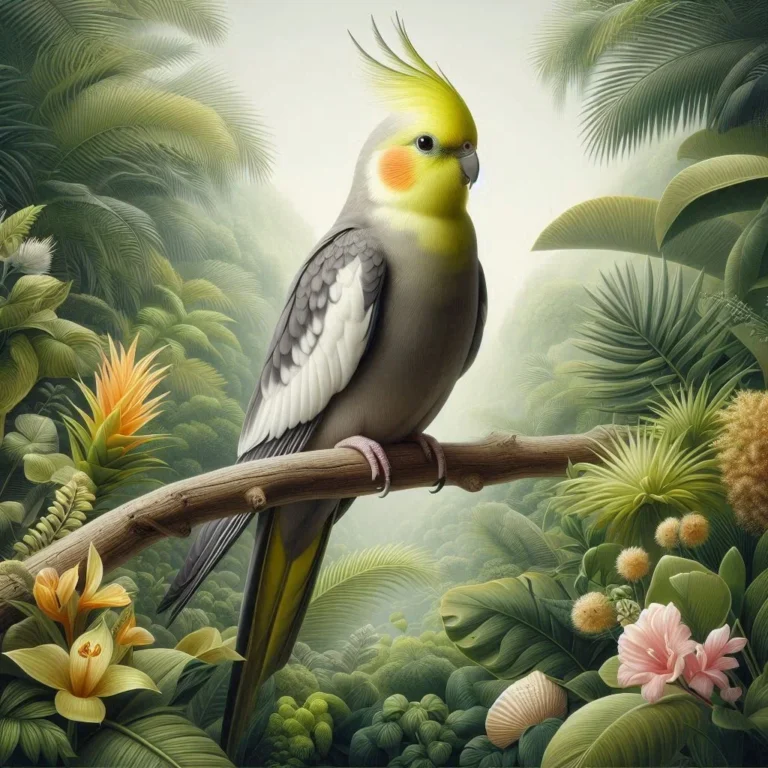
Cockatiels: Gentle Warmth & Ear
Cockatiels possess an innate inclination for flock behavior, which translates into a strong affection for a single owner. Their self‑care is minimal – but the reward for treating a cockatiel to a warm lap is instant. Like the African Grey, they thrive on routine human contact, making them a dependable bonding partner for millions worldwide. By letting a cockatiel perch on your finger or offering frequent gentle scratches, you’ll see the bird initiate affection by nudging or cooing against you.
Scientists note that avian social bonding is stimulated through a combination of eye contact, vocal cues, and touch. You can reinforce these cues by maintaining eye contact and softly speaking when the bird lands on your lap. Consistency and patience are critical; a cockatiel’s bond often strengthens over the first trimester of the relationship.
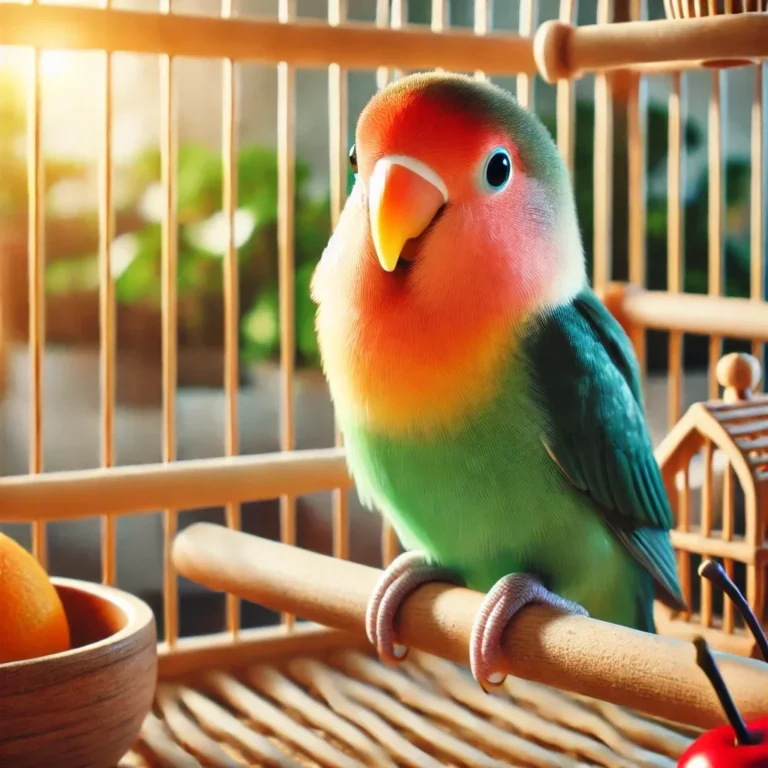
Lovebirds: Tiny Hearts for Big Love
Lovebirds – especially Fischer’s and Meyer’s types – embody the phrase “birds of love.” Their sociability is unmatched, often showing affection by nibbling the feathers of Familiar partners or by performing gentle head‑butts. These tiny parrots bond strongly when isolated from other birds, especially when their environment provides ample enrichment: perches, balls, songs, and a daily social timelot.
To promote bonding, provide a “buddy” that also virtualizes social contact. Even single-housed lovebirds thrive as bonding partners if they receive many touch and soft talk sessions. Check several reliable sources such as the Avian Care Organization checklist to ensure full mental stimulation.
Keas: Curiosity Meets Camaraderie
Keas are New Zealand’s resident parrot, known for their strong problem‑solving skills and surprisingly endearing social leanings. Although some keas are bred for wild captivity, they can thrive as companion birds in a well‑maintained household. Bonding with a kea begins through cooperative play: interactive puzzle toys and shared hunting spaces encourage trust and teamwork. One kea that reliably searches for a hidden treat while you watch its eye light up demonstrates that the bond is more than mere companionship.
Because keas have a high novelty threshold, maintaining a varied enrichment regime is key. Try to rotate 2–3 new toys or tasks each week. Their bond is cemented by the excitement of continuous discovery with you in the scene.
Tips for All Bond‑Forming Birds
- Snack with heart – Offer treats that include fruits and veggies.
- Stick to a schedule – The same feeding, playing, and cleaning hours make the bird feel secure.
- Use hands for hugging – Gently place your palm under the wing and let the bird nuzzle.
- Awaken with audio – Soft lullabies or recorded bird calls mimic natural dawn, soothing the bird’s spirit.
- Seek vet guidance for nutrition – A balanced diet is the foundation of a durable relationship.
Final Thought – Choose Wisely, Bond Strongly
Which pet birds will bond strongly depends on your lifestyle and willingness to commit to daily interaction. If you’re ready to speak to your feathered friend as much as you walk, the African Grey and Cockatiel may be the best picks, while the less demanding budgie and lovebird fit perfectly for busy families. Start by reading the authoritative educational links provided, explore reputable breeders or sanctuaries, and most importantly, listen to your heart and their chirps.
Frequently Asked Questions
Q1. How long does it typically take for a pet bird to bond with its owner?
Bonding often starts within a few weeks of consistent interaction, especially when you spend 15–20 minutes daily talking, playing, and providing treats. The exact duration varies by species and individual temperament, but a noticeable connection is usually evident in 3–6 weeks.
Q2. Which bird species are easiest to bond with due to their social nature?
Budgerigars, cockatiels, and lovebirds are highly social and quickly form attachments when given attention and mental stimulation. African Greys also bond deeply but may require more time and patience due to their intelligence and sensitivity.
Q3. What daily habits help strengthen the bond between me and my pet bird?
Maintain a regular feeding and play schedule, use gentle hands for contact, provide enriching toys, and offer verbal praise. Consistency and positive reinforcement are key to building trust and mutual affection.
Q4. Are exotic birds like keas suitable for indoor bonding, or are they too wild for a home environment?
Keas can thrive indoors if they receive varied enrichment and social interaction. They are highly intelligent and curious, so regular puzzle play and outdoor-like experiences help foster a strong bond.
Q5. How can I tell if my bird truly loves me or is just comfortable around me?
Signs of love include head‑butting, perching on your hand, gentle nuzzling, and vocalizing during interactions. These actions demonstrate attachment beyond mere comfort and are consistent with strong bond indicators.