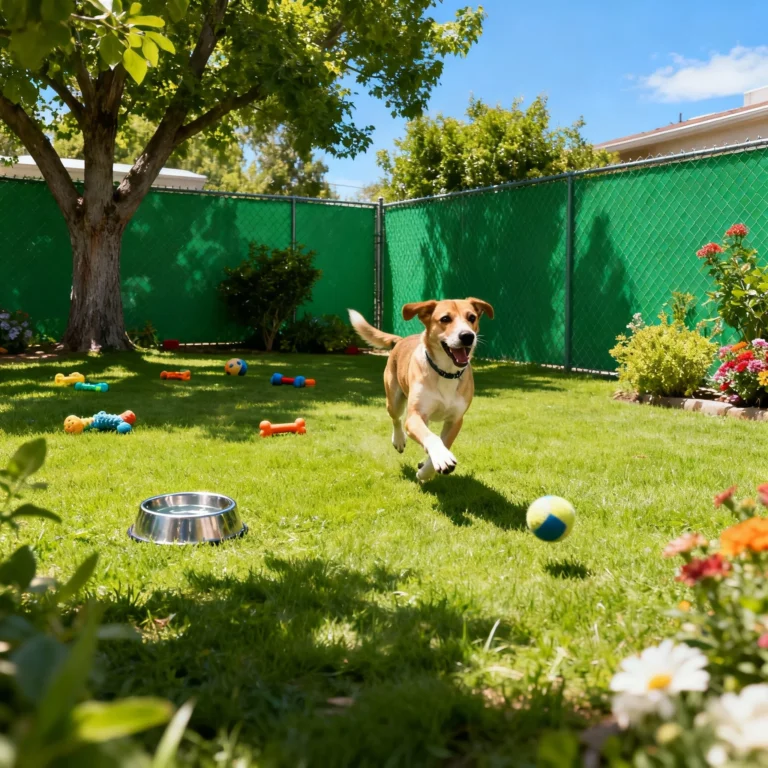
High Energy Dog Breeds Guide
Finding the perfect pet can be a thrilling journey, but if your lifestyle is full of movement and adventure, you likely need a canine companion who can keep pace. High Energy Dog Breeds are the ideal match for active families, outdoor enthusiasts, and anyone who wants an energetic friend to share endless walks, runs, and play sessions. In this guide, we’ll explore the most vibrant dog breeds, their energy levels, key care requirements, and how to match them with your daily routine.
1. Why Choose a High Energy Dog?
High energy dogs thrive on stimulation and physical activity. They bring vitality into the household, encourage exercise, and often develop close bonds with their owners through shared adventures. However, owning an energetic dog demands commitment, consistency, and a willingness to push beyond typical leash walks. By understanding the unique traits of each breed, you can reduce frustration, prevent behavioral issues, and create a fulfilling relationship for both you and your pet.
2. Top Breeds for Maximum Activity
- Border Collie – Known for its unparalleled herding instincts and intelligence, the Border Collie typically requires over an hour of active play daily. Learn more
- Australian Cattle Dog – These robust dogs excel in agility and endurance, making them excellent partners for long hikes or rough terrain. Breed details
- Jack Russell Terrier – Small but mighty, Jack Russells possess a bold spirit and a love for chasing, popping, and jumping. John’s Guide
- Vizsla – A sleek, affectionate hunting dog that thrives on companionship and brisk exercise. Vizsla Club
- Weimaraner – With a sleek coat and a fearless streak, Weimaraners demand challenging workouts and mental engagement. Breed profile
3. Training Tips for Active Breeds
Training high energy dogs is less about teaching obedience and more about channeling their innate drive into productive outlets. Below are essential strategies:
- Establish a Routine – Schedule three consistent walks or runs each day, supplemented by a play session. Predictable patterns help reduce anxiety.
- Use Positive Reinforcement – Reward desired behaviors with treats, praise, or a favorite toy. Avoid punishment, which can heighten stress and aggression.
- Incorporate Mental Workouts – Puzzle toys, scent games, or obedience drills offer intellectual stimulation that ties into their natural instincts.
- Socialize Early – Introduce other dogs, people, and environments in a controlled manner to build confidence and curb impulsive reactions.
- Provide a Quiet Space – Even high activity dogs need recovery zones—quiet rooms or cribs help them unwind after exhilaration.
4. Living With a High Energy Dog
Adopting a high energy dog transforms your daily life. Here’s how to make the most of this dynamic partnership:
- Plan Outdoor Activities – Choose trails, parks, or open fields that allow freedom while maintaining safety. National Park Service – Dog-friendly sites
- Invest in Quality Gear – Durable leashes, GPS collars, and sturdy toys keep play sessions fun and safe.
- Monitor Health – Regular vet visits are essential, especially for breeds prone to hip dysplasia or other joint issues. American Veterinary Medical Association
- Hydrate and Nourish – High activity demands increased calories and water intake. Use a high-protein diet and monitor weight closely.
- Plan Rest Days – Even the most energetic dogs benefit from lighter days. Incorporate gentle walks and mental activities to maintain balance.
Special Considerations for Different Environments
If you live in an apartment, micro‑dormitories, or a small yard, you still can thrive with an energetic dog, but you’ll need to structure your schedule carefully and use exercise equipment like treadmills or indoor agility courses. If you have a spacious back yard or access to open fields, the dog will enjoy more freedom, though safety measures, such as fencing, remain crucial.
5. Why Energy Management Is Key to Longevity
High energy dogs are susceptible to health issues such as orthopedic problems and obesity when not exercised adequately. Proper energy management—including daily workouts, balanced nutrition, and routine veterinary care—ensures a lifelong, healthy, and gratifying bond. As noted by veterinary specialists on CDC’s animal page, consistent activity reduces stress and improves a dog’s immune system.
Signs Your Dog Needs More or Less Exercise
- Excessive Aggression or Hyperactivity – Too much unmet energy can manifest as snapping or destructive behavior.
- Lethargy or Poor Weight Gain – It might be a signal of insufficient activity or health problems.
- Appetite Changes – A sudden drop or increase in appetite can accompany altered exercise levels and needs checking by a vet.
Conclusion: Find Your Match and Start the Adventure
Choosing a High Energy Dog Breed is about aligning lifestyle, love for the outdoors, and a commitment to active living. From the agile Border Collie to the spirited Jack Russell Terrier, each breed brings a unique partnership experience. Remember to plan daily exercise, embrace structured training, and maintain a healthy routine. The rewards are extra companionship, double the outdoor fun, and a healthier, happier you and your dog.