Best Pet Birds for Kids
Choosing the best pet birds for kids is a delightful journey that blends fun, learning, and responsibility. A feathered companion can teach children about empathy, care, and the wonder of nature while bringing vibrant color and lively chatter into the home. In this guide, we’ll explore which birds are truly child‑friendly, why they thrive in a family setting, and how to keep your new friend healthy and happy.
Best Pet Birds for Kids – Understanding Your Child’s Needs
Before you buy a bird, consider what your child will actually be handling. Young children benefit from birds that are easy to manage, gentle in temperament, and not overly demanding of adult supervision. Think about the child’s age, activity level, and the amount of time the family can dedicate to feeding, cleaning, and playing. The most successful pairings occur when the bird’s personality aligns with the child’s maturity and the household’s routine.
Best Pet Birds for Kids – Top 5 Selections
Best Pet Birds for Kids – Budgie
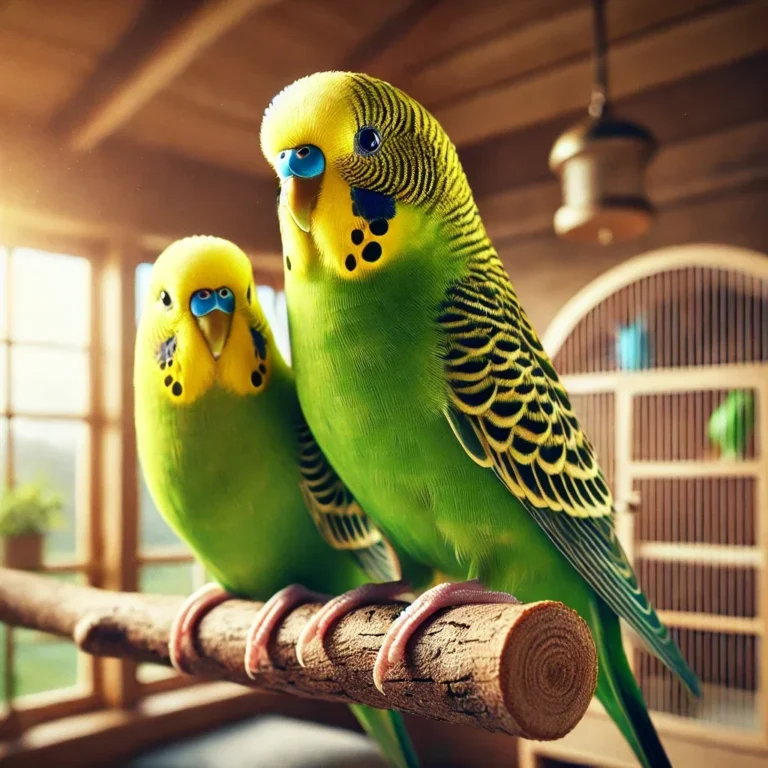
Budgies (budgerigars) are small, affectionate, and remarkably adaptable. Their bright green and gold plumage is almost impossible to ignore. Budgies are highly vocal; they can learn simple words and mimic sounds, which encourages repetition learning for children. Wikipedia offers detailed information on their care and behavior: Budgerigar.
Best Pet Birds for Kids – Cockatiel
Colors like peach, gray, and orange, combined with a long tail feather that fans like a fan, make the cockatiel a visual marvel. They are exceptionally social, often crowing at specific times of day or after being brushed. They love to perch on hands, easing bonding. The cockatiel’s temperament is low‑maintenance, meaning parents can spend more quality time teaching kids about birdcare. See their profile on Wikipedia: Cockatiel.
Best Pet Birds for Kids – Lovebird
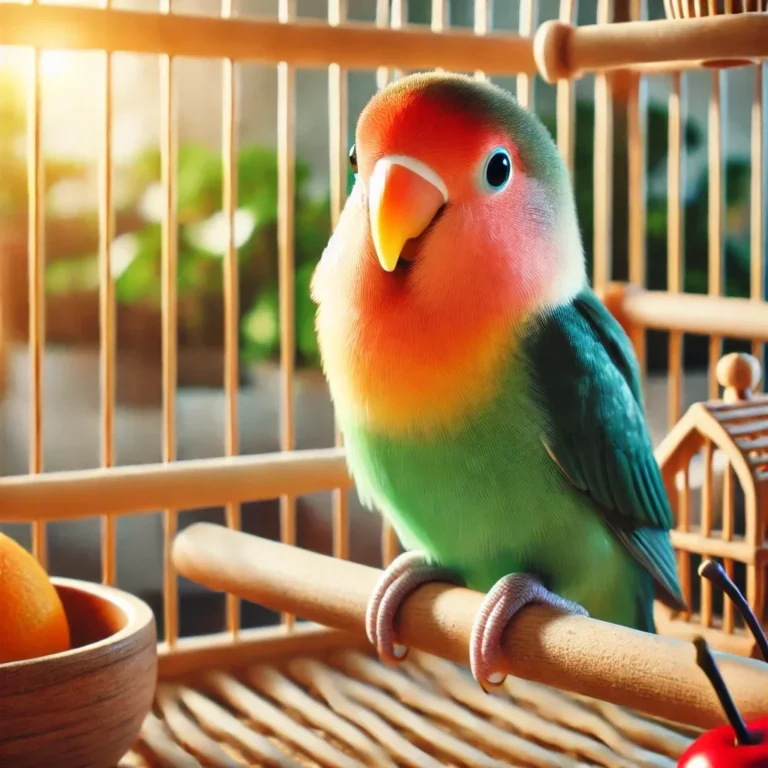
Lovebirds are known for their affectionate and playful nature. With their unique size—just the height of a typical rubber ball—they’re easy to handle, but they do enjoy having a comforting presence. These birds thrive on interaction and usually develop strong bonds with a single owner, creating a sense of continuity for a growing child. Learn more about lovebirds here: Lovebird.
Best Pet Birds for Kids – Canary
Canaries bring a melodic soundtrack to any home. Their joyful whistles or trills can become a daily routine that children anticipate. While they are more independent than some parrots, they appreciate a quiet, consistent environment. For an overview of their colorful traits, visit Wikipedia: Canary.
Best Pet Birds for Kids – African Grey Parrot
For families ready to commit to a higher level of care, the African grey offers intelligence that can match a child’s curiosity. These parrots will mimic speech and can be trained to respond to names and commands, providing an interactive teaching experience. They do, however, require a significant amount of mental enrichment and regular eye contact. Detailed care guidelines can be found through the U.S. Fish & Wildlife Service: U.S. Fish & Wildlife Service.
Best Pet Birds for Kids – Caring for Your Feathered Friend
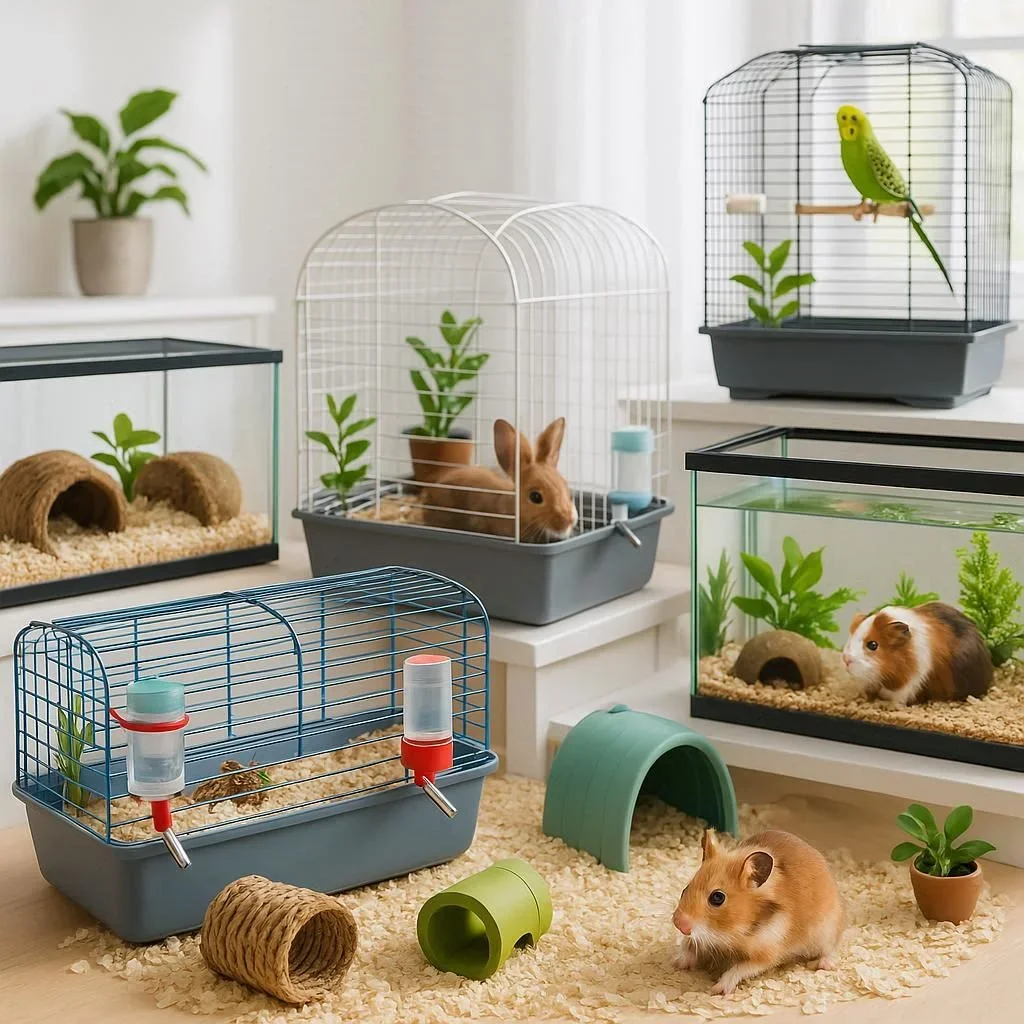
Regardless of the species, certain core practices keep all bird‑owners calm and the bird healthy. Start with an appropriate cage—size matters, as cramped spaces can foster behavioral issues. Provide a daily cleaning routine; this trains children to be part of the responsibilities and keeps the environment hygienic. The bird’s diet must include a balanced mix of seeds, fresh fruit, and specially formulated pellets. Cleaning the water bowl every day and checking for allergies or signs of illness every week ensures long‑term well‑being.
To keep a bird’s mind sharp, give toys that involve puzzle elements or shredder materials. While many parents think that highly intelligent birds need a lot of training, even simple playtimes—like teaching a trick or playing a short game—can educate children about patience and perseverance. If children are nervous or the bird is sensitive, limit interactions to short, gentle sessions. Keep curiosities like balloons and glitter away; certain materials can be ingested accidentally, posing health risks (as noted by health professionals on AVMA).
Best Pet Birds for Kids – Keeping Your Home Safe and Healthy
When you invite a bird into your home, remember their safety can directly impact everyone. Birds can spread dust and dander, so regular vacuuming and wiping of perching surfaces help reduce allergens. Outdoor windows should be secured, and any small household items (bottles, seeds sticks) should remain out of reach to avoid ingestion risk. Children should also be instructed to never feed birds human junk or crumbs, as these can upset a bird’s digestive system.
Finally, setting up a safe, contamination‑free display area means every family member learns how to interact respectfully. If the bird shows signs of stress—constant screaming, feather plucking, or sudden lethargy—seek veterinary advice promptly. Many avian specialists now incorporate tele‑health options for quick check‑ups (look at avian care options at American Avian Society).
Conclusion & Call to Action
Choosing the best pet birds for kids is an exciting decision that can enhance a child’s learning and nurture a lifelong love of animals. By carefully matching a bird’s needs with the family’s lifestyle, you create an environment where children thrive, responsibility is shared, and a feathered friend counts as an indispensable part of the squad. Don’t wait—this is the perfect time to start your family’s feathered journey. Get your free guide to Best Pet Birds for Kids today and begin teaching compassion, patience, and care right away.
Frequently Asked Questions
Q1. What age is best for kids to have a pet bird?
Children as young as five can handle a bird with adult supervision, but the best age depends on maturity and willingness to learn responsibility. Parents should assess whether the child can follow basic care routines, such as feeding and cleaning. An older child will naturally take more initiative, but even younger kids can participate in simple tasks like rinsing water. The key is ensuring consistent adult oversight until the child can reliably manage the bird’s needs.
Q2. Which bird is lowest maintenance for a family with kids?
Budgerigars (budgies) and cockatiels are among the most low‑maintenance options. Their small size keeps demands on cage space modest, and they are quick to bond with children. Both species thrive on a balanced diet of seed mixes and fresh fruits, and they typically require only weekly cage cleaning. Their friendly disposition makes them an excellent first bird for families.
Q3. How often should we clean a bird’s cage?
Daily water and food bowl cleaning are essential to prevent bacterial growth. The cage itself should be vacuumed for loose debris every week, and a thorough wipe‑down with a bird‑safe cleaner is recommended after each weekly vacuuming. Keeping perches tidy helps reduce dust levels and avoid infections.
Q4. Are house birds safe around other pets like cats and dogs?
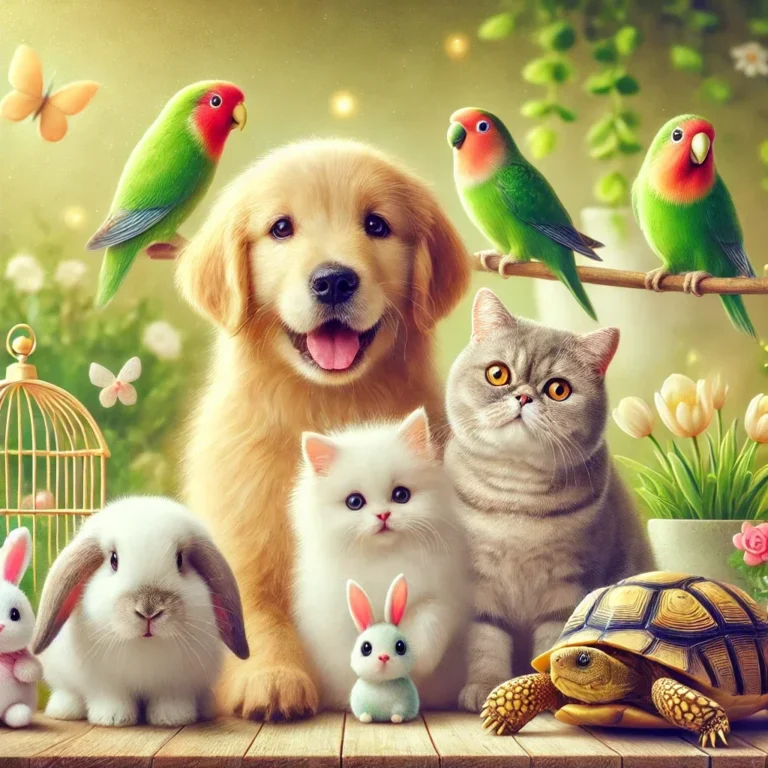
Many parrot species can coexist with other pets if introduced gradually and monitored closely. Small birds such as budgies are safer with cats or small dogs due to their size, but larger parrots may feel threatened and become stressed. Adult supervision and secure cage placement each day help keep all household animals safe.
Q5. What diet should a child-friendly bird receive?
A balanced diet for kids’ pets typically includes a mix of high-quality pellets, fresh fruits, and vegetables. Seed-only diets can lead to nutritional deficiencies, whereas a multi‑grain pellet provides essential vitamins and calcium. Always avoid avocado, chocolate, or salty foods, and offer water daily. Child care can involve portioning out fresh snacks under adult guidance.