Gentle Cat Breeds for Kids
Choosing the right cat for a family with young children can feel like a daunting task, especially when you want a pet that combines a calm temperament with playful curiosity. Gentle Cat Breeds for Kids offer a blend of affectionate nature, low aggression, and tolerance of little paws and hands. By selecting a breed that thrives in a child‑friendly environment, parents can create a safe, enriching relationship that benefits both the kitty and the kids. For families seeking the best companion that won’t react negatively to enthusiastic play, understanding the key traits of these gentle breeds is essential.
Why Gentle Cats Make Ideal Family Pets
Children’s lively energy and unpredictable interactions can test even the stoic feline. Gentle cats, however, possess a temperament well‑suited to family life: they are patient, enjoy social contact, and rarely display the stress‑induced hissing often associated with some breeds. Many of these breeds have been selectively bred for calmness and loyalty, making them resilient to the rapid movements, sudden noises, and high‑energy focus that children often exhibit. In addition, gentle cats tend to be less prone to scratching during play, and they are more likely to rest quietly beside a child’s bed rather than prowling the entire house. All of these qualities make them reliable partners for household affection and companionship.
Top Gentle Cat Breeds for Kids
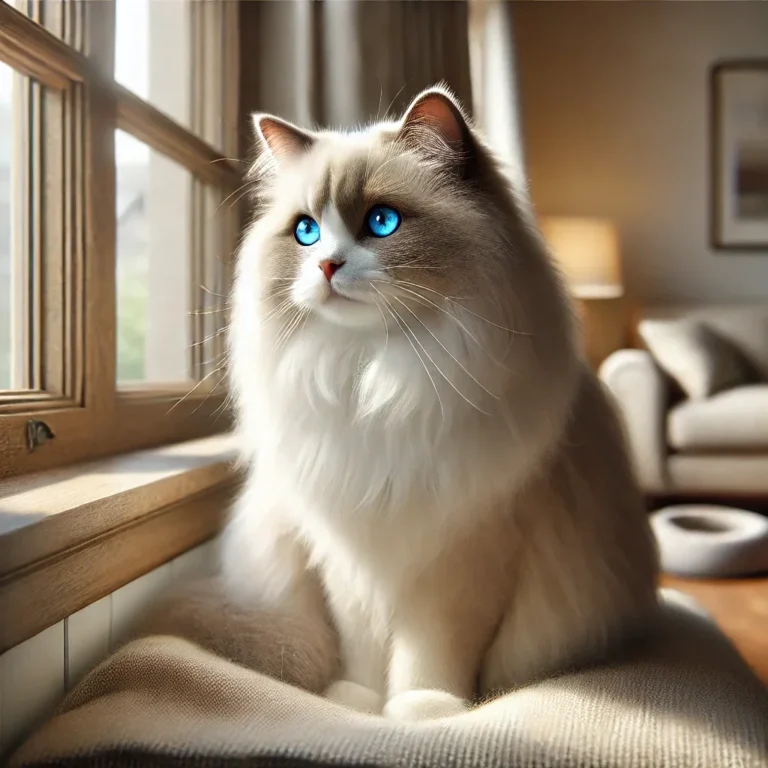
- Ragdoll – Known as the “puppy” cat, the Ragdoll settles into a child’s arms almost instantly, accepting gentle handling with calm acceptance. They thrive on human companionship and rarely display dominance or territorial aggression.
- Persian – Although their luxurious fleece demands regular grooming, Persians possess a surprisingly relaxed demeanor, enjoying a quiet, supportive environment rather than constant activity.
- Maine Coon – A large, affectionate presence that loves to be part of family dynamics yet keeps a composed stance, especially around younger siblings.
- British Shorthair – Their easy‑going nature makes them tolerant of handling and playful antics without becoming overwhelmed by rapid movements.
- Burmese – Energized yet mellow, Burmeese cats bond deeply with their families and can remain calm while you supervise a playful child.
Key Traits to Watch For When Choosing a Gentle Kitty
While breed offers a strong foundation, individual temperament can vary considerably. Parents should keep an eye out for signs of patience, low aggression, and a love for human interaction. A gentle cat will likely greet a child’s return with a soft meow rather than a defensive stance. They typically display reduced fear or anxiety when new people or objects appear, which reduces the likelihood of startling or aggressive responses. Assessing a cat’s sleeping patterns also helps: cats that calmly sleep beside a child’s bed or cuddle are often at a lower level of energetic stress.
Practical Steps to Successful Integration
Once you’ve chosen a gentle breed, the next step is seamless introduction. Begin by letting the cat explore a child’s campsite for short periods, using a loose leash or a baby gate if necessary. Positive reinforcement through treats and gentle praise will help the cat associate your children’s presence with calm rewards. Coaching children on acceptable ways to groom or pet the cat—slow strokes, avoiding quick jerks—creates positive habits that protect both cat and child. Make sure to keep the cat’s litter box, food dishes, and resting areas in low‑traffic, secure corners to give your new friend a sense of safety.
Maintenance and Care: Low‑Maintenance Cats for Busy Families
Beyond temperament, consider long‑term maintenance. Breeds like the British Shorthair require minimal grooming; their dense fur keeps them comfortable without daily brushing, while still avoiding the heavy maintenance of a Persian’s coat. Ragdolls, though requiring regular coat care, are surprisingly low on shedding, which can reduce household allergens. Offering routine dental care, balanced nutrition from scientific research, and regular veterinary checkups ensures your kitten or adult cat remains healthy and happy throughout the family’s development.
Final Thoughts and How to Start Your Family Cat Journey
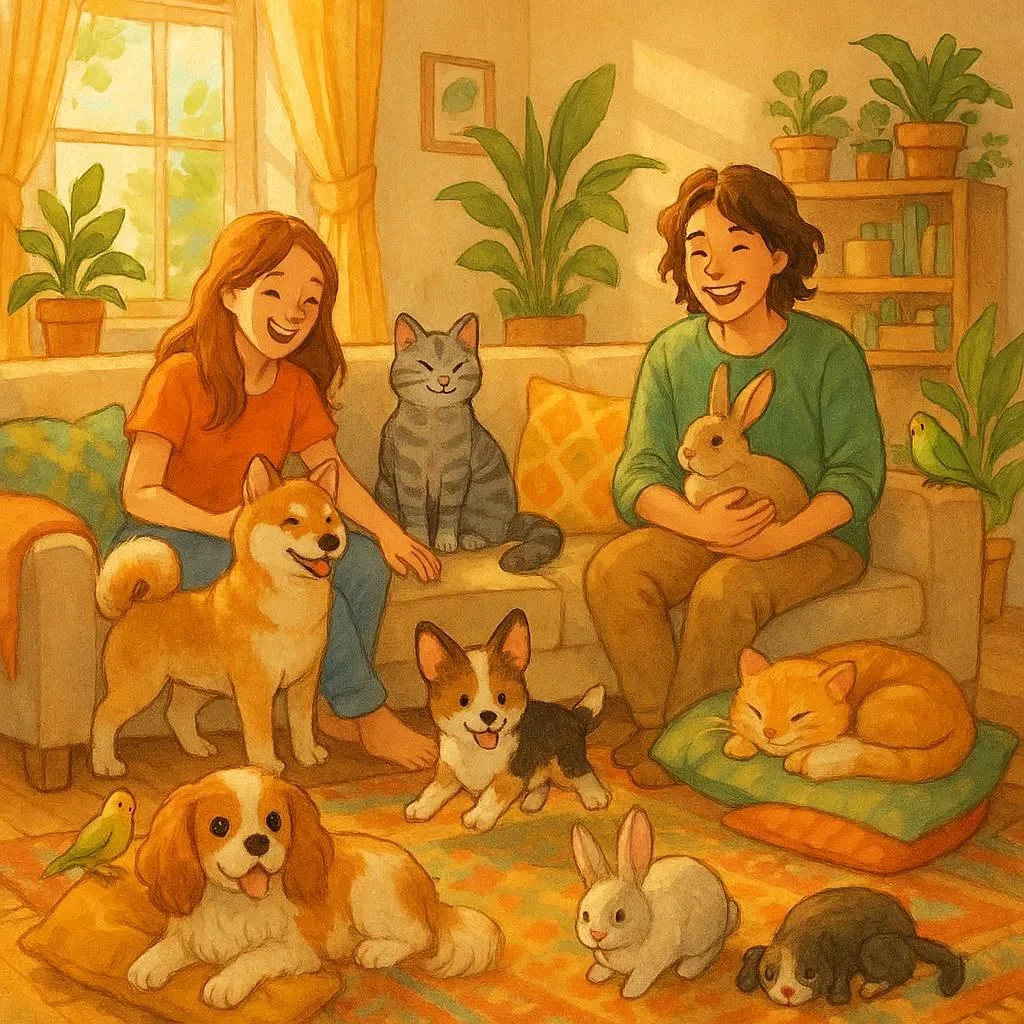
Gentle cat breeds for kids are in many ways the perfect match for a family environment. They blend affectionate bonding with a calm disposition that stands up well to the dynamic nature of children. By selecting a reputable breeder or rescue organization, training your young ones in respectful interaction and safety, and maintaining routine care, your household can achieve a harmonious coexistence that benefits both the animals and your family. Imagine the peaceful evenings by the fire, with your child resting beside a purring, gentle companion who’s become an integral part of the family’s story.
Start your family cat journey today—discover Gentle Cat Breeds for Kids and welcome a lifelong friend that will bring peace, joy, and unconditional love into your home.
Frequently Asked Questions
Q1. Which cat breeds are considered the most gentle and child-friendly?
Gentle and child-friendly breeds typically include Ragdoll, Persian, Maine Coon, British Shorthair, and Burmese. These cats are bred for calmness, affection, and patience. They tolerate children’s energy and limited handling but still maintain a gentle demeanor.
Q2. How can I introduce my new kitten to my little ones safely?
Start with short supervised sessions, keep the kitten on a leash or in an enclosed space, use rewarding treats, and teach children to approach calmly. Gradually increase the time the kitten spends near the children as they grow comfortable with each other.
Q3. Are there any grooming requirements that I should be aware of for these gentle breeds?
Persians need daily brushing to avoid matting, while Ragdolls require regular coat care. British Shorthairs and Maine Coons need less frequent grooming but should be brushed a few times per week. Regular checks for ear and eye cleanliness are also essential.
Q4. Do gentle cat breeds also have any specific health issues I should monitor?
Some Ragdolls may be prone to heart disease; Maine Coons can suffer from hypertrophic cardiomyopathy. Regular veterinary checkups help detect such conditions early on. Maintaining a balanced diet also keeps them healthy.
Q5. How long does it generally take for a cat to adjust to a new home with children?
Adjustment times vary, but most cats acclimate within a few weeks. Consistent routine, quiet spaces, and gentle interactions encourage faster bonding. Patience and positive reinforcement play key roles.