Low Shedding Cat Breeds Ranked
If you love cats but are tired of constant fur on your furniture, the search for Low Shedding Cat Breeds is more than a lifestyle choice—it’s a practical solution. Modern households, especially those with allergies or busy schedules, often find continuous dander and shedding a significant hassle. Understanding what makes a breed low shedding can save you time, reduce cleaning, and improve indoor air quality. In this guide, we’ll dive into the science behind shedding, list the top low shedding breeds, and share practical tips for adopting and caring for these indifferent-in-a-fur‑way household members. By the end of the post, you’ll know exactly which cats are ideal for a tidy, sneeze‑free environment and how to keep their coats healthy.
Understanding Shedding in Cats
Shedding is a natural process through which cats replace old hair with newer, softer tresses. The rate of shedding varies due to genetics, hormones, diet, seasonal changes, and stress levels. While all cats shed, certain breeds have evolved or are selectively bred to produce less dander and shorter hair, which translates into less traceable fur around your living space.
Clinical studies from the Merck Veterinary Manual show that hair shedding can increase by up to 40% during seasonal transitions, leading to heightened airborne allergens. Breed-specific factors, such as hypoallergenic potentials and grooming needs, help differentiate low shedding cats from those that demand frequent brushing.
Two key characteristics define a low shedding cat: 1) Fine or absent coat that reduces loose hairs, and 2) Efficient grooming behavior where the cat self‑maintains a largely hairless or micro‑hair surface. Breeds meeting these criteria often belong to the hairless or unspotted categories, yet some standard breeds also exhibit markedly reduced shedding.
Top Low Shedding Cat Breeds
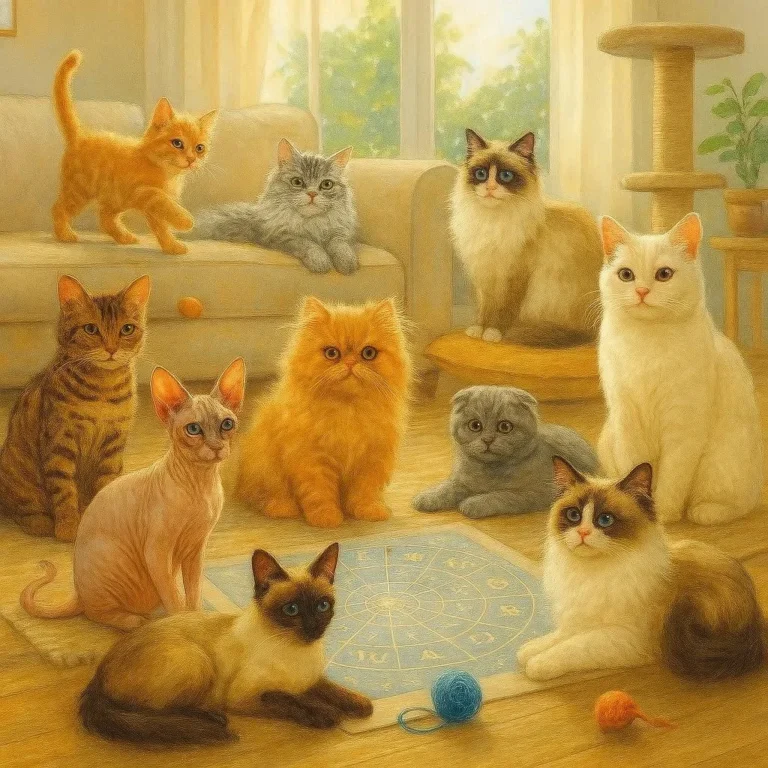
- Sphynx – The Sphynx is a hairless breed, making it the most obvious candidate for low shedding. The absence of fur means minimal dander, and their skin exudes natural oils that keep the body warm.
- Bengal – This spunky breed has a sleek, spotted coat that sheds very little. Bengals maintain a short fur that requires minimal brushing, and many owners report reduced allergy reactions. Learn more about Bengal’s unique genetics at Wikipedia Bengal.
- Siamese – Siamese cats feature a short, fine coat that remains comparatively hair‑free throughout the year. Their grooming reflexes are vigorous, keeping loose hair to a minimum. Siamese background shows their low shedding potential.
- Russian Blue – Known for their silvery-gray silky coat, Russian Blues shed very little and are considered cat allergy friendly by many veterinarians.
- Turkish Angora – With a fine, light coat that seldom drops, the Turkish Angora remains one of the least shedding breeds on the list.
While each of these breeds exhibits low shedding, individual variation exists. Adopting a cat from a reputable breeder who emphasizes grooming and coat health can further reduce shedding concerns.
Adopting and Caring for Low Shedding Cats
Even low shedding cats benefit from regular grooming. Monthly brushing helps remove any stray hairs and maintain their skin’s natural oils. For hairless breeds like the Sphynx, specialized skin care products are recommended to prevent dryness and maintain a soft epidermis. Many owners use mild, fragrance‑free cat shampoos designed for sensitive skin, such as those found at reputable veterinary pharmacies.
Diet plays a critical role; a balanced diet rich in Omega‑3 and Omega‑6 fatty acids promotes a healthy coat and skin. A vet‑approved diet or supplements such as fish oil can aid in reducing further shedding or flaking.
Because low shedding breeds emit less dander, they are often considered hypoallergenic. However, it’s important to know that no cat is truly hypoallergenic; allergy symptoms can vary between individuals. To evaluate suitability, spend a day in close proximity to a breed before committing to adoption.
Helpful resources for ongoing care include the Petfinder database where you can search for local shelters offering these breeds, and many veterinary choirs have specific grooming guidelines.
Frequently Asked Questions
- Will a low shedding cat still require brushing? Yes, even cats with minimal shedding benefit from regular brushing to remove loose hairs and maintain healthy skin.
- Do low shedding cats have fewer grooming instincts? Not necessarily; many of these breeds groom regularly and may even demand more frequent skin scrubs, especially the hairless Sphynx.
- Are low shedding cats easier to live with for allergy sufferers? They tend to produce fewer allergens, but individuals should monitor symptoms and consult an allergist if needed.
- What are the costs of maintaining a low shedding cat? Routine costs include diet, annual veterinary checkups, and specialized grooming supplies.
- Can you breed a cat to be low shedding? Yes, selective breeding over generations can reduce shedding, but it remains a genetic trait influenced by many factors.
Ready to bring home a low shedding companion? Explore local shelters, click through Petfinder, and discover the perfect match for your tidy home. Your next cozy, fur‑free friend could be waiting right around the corner!
Frequently Asked Questions
Q1. How often should I groom a low shedding cat?
While low shedding breeds release fewer hairs, regular grooming keeps skin healthy and reduces dander buildup. A quick brushing once a week, more often for hairless cats, is sufficient. This routine also helps distribute natural oils, preventing dry skin.
Q2. Do low shedding cats truly lack allergens?
Low shedding cats produce less dander, but allergens still circulate. Allergic reactions can vary between individuals. For sensitive people, spending time with a cat before adopting is recommended.
Q3. Are there specific diets that aid in keeping shedding at a minimum?
A balanced diet rich in omega‑3 and omega‑6 fatty acids promotes healthy skin and coat. High‑quality commercial foods or supplements like fish oil can help reduce flake production. Vet guidance ensures nutritional adequacy.
Q4. Can a regular household cat be low shedding if groomed properly?
Some mixed breeds may shed less but still produce dander. Grooming frequency can reduce visible hair, but allergen levels may remain. Choosing a breed with proven low shedding gives the best results.
Q5. What are common grooming challenges for hairless breeds like the Sphynx?
Hairless cats need daily skin care to remove oils, dirt, and sweat. They benefit from gentle wipes or a light bath every few weeks. Sensitive skin should be protected with proper moisturizers.