Most Loyal Dog Breeds and How to Reward Their Devotion
When it comes to companionship, dogs have earned a special place in our hearts. Beyond their playful antics and wagging tails, certain breeds have shown an extraordinary level of loyalty that can turn a simple pet into a devoted family member.
While every dog is capable of love, scientists and breeders have pinpointed specific behaviors and genetic markers that set the most loyal breeds apart. Those dogs often express intense attachment, protectiveness, and a natural desire to stay within the human pack.
In this guide we’ll explore why some dogs bond so deeply, feature the top 12 most loyal breeds, and give you a proven playbook for rewarding their devotion so that the relationship grows even stronger.
The Science of Dog Loyalty
Loyalty in dogs is a blend of evolutionary adaptation, social structure, and human interaction. Research published in the Journal of Comparative Psychology shows that dogs with strong pack instincts tend to form tighter bonds with their human families.
- Social learning: Puppies learn to trust and seek companions through observation.
- Reward circuitry: Dopamine release during human interaction reinforces loyalty.
- Genetic predisposition: Certain breeds evolved to serve as guard dogs or herders, necessitating deep loyalty.
- Environmental consistency: Regular schedules and predictable routines encourage trust.
Understanding these foundations allows owners to cultivate and sustain a robust bond.
12 Most Loyal Dog Breeds
Below is a curated list of breeds celebrated for unrivaled loyalty. Each entry includes a brief description, key loyalty traits, and a reputable external link for further reading.
German Shepherd
The German Shepherd, recognized worldwide for its protective instincts, excels in both family guardian roles and working partnerships. Its unwavering obedience stems from centuries of training as police and military dogs.
Labrador Retriever
Labradors are famed for their affable nature. Their loyalty shines in therapeutic settings, where they demonstrate a calm and steadfast presence with both humans and other animals.
Golden Retriever
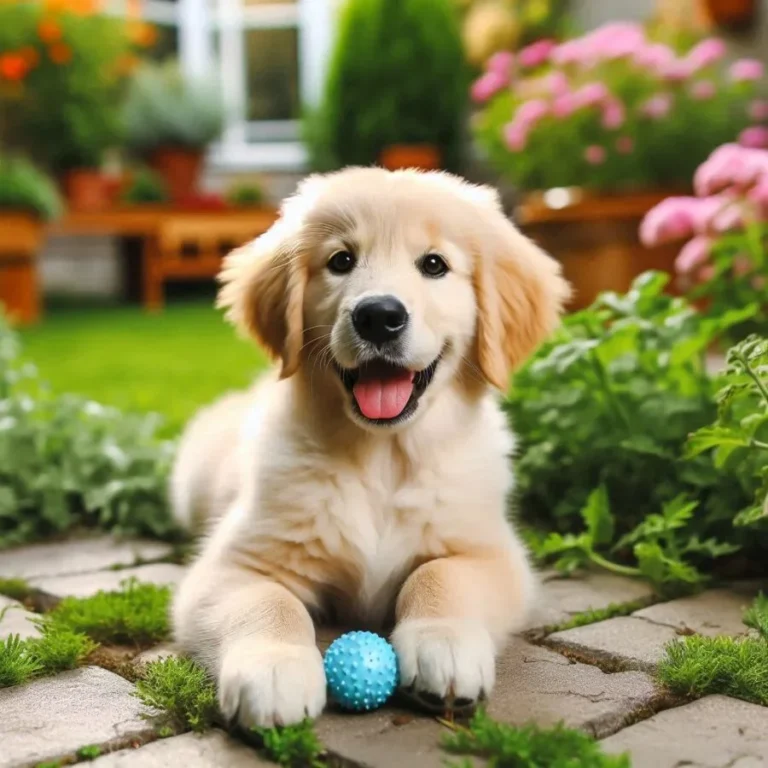
Golden Retrievers combine gentle companionship with unwavering loyalty. Their eagerness to please makes them top candidates for search-and-rescue and service work.
Rottweiler
This powerful breed exhibits steadfast loyalty and strong protective instincts. When properly socialized, Rottweilers form a deep bond that lasts a lifetime.
Akita
Originating from Japan, Akitas are noted for their dignified devotion. Their loyalty is often described as unwavering even in the face of adversity.
Belgian Malinois
Known for agility and intelligence, Belgian Malinois thrive on purpose. These work dogs exhibit devotion when given a clear role, such as search and rescue.
Collie
Collies are quintessential herding dogs who form lifelong attachments with their families. Their loyalty is coupled with a keen sense of duty.
Boxer
Boxers combine boundless energy with an affectionate nature. Their loyalty is evident in their protective instinct toward children and their owner’s wellbeing.
Standard Poodle
Standard Poodles are highly intelligent, loyal, and trainable. Their dedication to their trainers makes them excellent family companions.
Shiba Inu
The Shiba Inu is a spirited breed that remains deeply devoted to its human counterpart. Their loyalty can manifest as a quiet companionship and a protective stance.
Border Collie
Possessing one of the highest intelligence scores among dogs, Border Collies exhibit loyalty through their unwavering work ethic and ability to bond with their owners.
Samoyed
Samoyeds are renowned for their friendly nature and strong family loyalty. Their cheerful disposition is complemented by an innate protectiveness.
How to Reward Their Devotion
A loyal dog is most satisfied when its needs—both emotional and physical—are met. Here’s a concise framework for rewarding your loyal companion.
Positive Reinforcement Training
- Use treats that match your dog’s dietary needs. Low‑fat, high‑protein options keep your dog healthy.
- Praise with a firm “yes” or a gentle pat to confirm desired behavior.
- Keep training sessions short (5‑10 min) to avoid overstimulation.
Quality Time and Play
- Interactive games like fetch or tug-of-war strengthen the bond.
- Social walks expose your dog to new stimuli while reinforcing trust.
- Dog‑friendly events such as obedience classes foster community engagement.
Treat Selection
- Homemade options: small pieces of cooked chicken or steamed pumpkin are excellent.
- Commercial treats: Look for those labeled “no fillers” and “high protein.”
- Rotation: Vary flavors to maintain interest and prevent over‑eating.
Consistent Routines
- Feeding times: Serve meals at the same daily slot to create stability.
- Exercise schedule: A set interval for walks or play sessions helps anticipate activity.
- Bedtime ritual: A calm cue (e.g., “sleep” or a gentle touch) signals the end of the day.
Maintaining the Bond: Tips for Dogs of All Ages
Loyalty can be nurtured throughout a dog’s life with mindful care.
Early Socialization
- Crate training: Acquaints your puppy with a safe space.
- Exposure to various sounds and environments reduces fear.
- Meet other dogs under controlled settings to build confidence.
Mental Stimulation
- Puzzle toys encourage problem‑solving skills.
- Scent work taps into natural instincts and bonds.
- Agility courses keep both mind and body engaged.
Balanced Diet
- Consult an av veterinarian to formulate a nutrition plan.
- Limit processed foods; focus on whole grains, lean proteins, and vegetables.
- Hydration: Fresh water should be available at all times.
Regular Exercise
- Tailor activity to breed and age; high‑energy breeds need more vigorous sessions.
- Short, frequent walks keep puppies from overstretching.
- Swimming is gentle on joints and adds variety.
Final Thoughts
Loyalty is more than an innate trait—it’s a partnership that thrives on mutual respect, consistent training, and thoughtful rewards. By selecting an inherently loyal breed, honoring its emotional cues, and meeting its physical needs, you create a relationship that stands the test of time.
We hope this guide helps you unlock the full potential of your dog’s devotion. Share your experiences, favorite breeds, or reward strategies in the comments below or join our community newsletter for weekly insights.