Preparing Your Dog for Vet Visits: What to Expect
Before you and your canine companion step into a veterinary clinic, preparation can make all the difference. A calm dog leads to a smoother exam, a quicker cleanup, and a more accurate diagnosis. In this guide, we’ll walk through what to expect during a typical vet visit, how to reduce anxiety, and the essential steps you can take to ensure both you and your pet feel confident and informed.
1. The Vet Visit Checklist
Most vet offices follow a standard sequence of services for new and returning patients. Knowing this sequence helps you anticipate the flow of the day and avoid last‑minute surprises.
- Arrival & paperwork – Your health record, microchip ID, and any recent vaccination documents will be entered or updated.
- Vital signs – Weight, temperature, heart rate, and respiratory rate are measured.
- Physical exam – A basic check of the ears, eyes, skin, teeth, gait, and abdomen.
- Diagnostic tests (if needed) – Blood work, urinalysis, X‑ray, or dental exam.
- Vaccination & de‑worming – If vaccines are due or extra de‑worming is required.
- Discussion & prescription – Your veterinarian will explain the findings and recommend any treatments.
- Post‑visit care – Tips for medication administration, diet changes, or follow‑up appointments.
These steps are outlined in the American Veterinary Medical Association’s AVMA website, which also offers a comprehensive guide for pet owners.
2. Understanding the Typical Exam
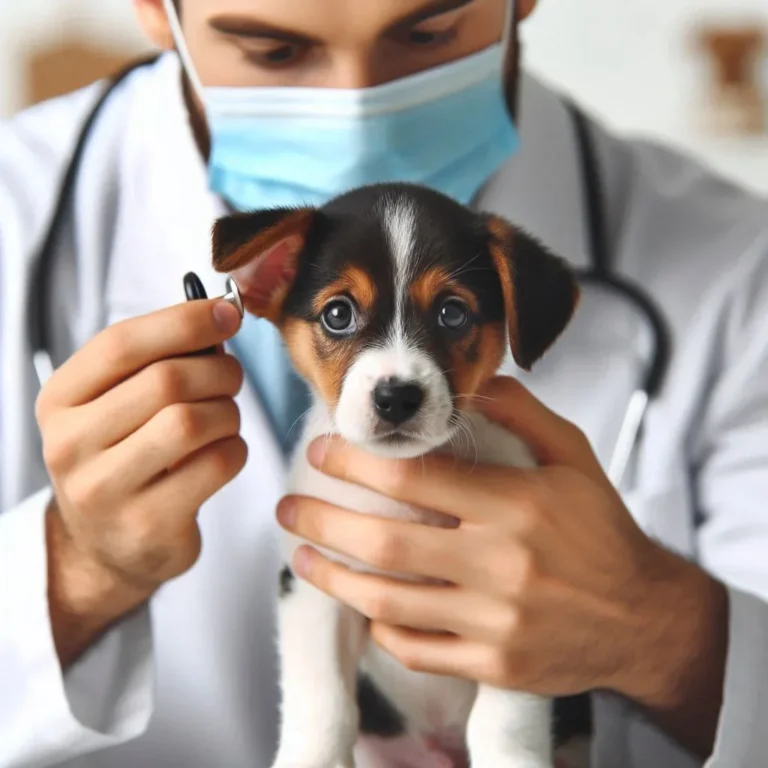
A standard physical exam takes about 10 to 20 minutes for a healthy adult dog. Your vet will:
- Weigh the dog – An accurate weight helps determine dosage for meds and vaccines.
- Check the temperature – Normal is 101‑102 °F (38.3‑39.0 °C).
- Inspect ears, eyes, and mouth – Otoscopic and dental views reveal signs of infection or decay.
- Palpate – The vet presses gently on the abdomen, lymph nodes, and joints to spot irregularities.
- Listen to heart and lungs – Using a stethoscope, they identify murmurs or abnormal breath sounds.
- Observe gait – They look for limping, stiffness, or abnormal stride.
For senior dogs or those with chronic conditions, exams can extend to 30–45 minutes and may include additional diagnostics like blood panels or X‑rays.
3. Common Tests & What They Mean
Here are the most common tests you might see and how they help keep your dog healthy.
| Test | Purpose | How It Helps | Typical Cost | Where to View More |
| CBC (Complete Blood Count) | Detects anemia, infection, or inflammation | Provides a snapshot of overall health | $50‑$100 | PubMed review |
| Chemistry Panel | Assesses organ function | Identifies kidney or liver disease | $70‑$120 | VetInfo |
| Urinalysis | Detects urinary infection or kidney issues | Monitors hydration and organ health | $40‑$80 | VetPartner |
| Fecal Exam | Checks for parasites | Ensures parasite control | $20‑$50 | CDC Parasites |
| X‑ray | Identifies bone fractures, heart size | Diagnoses respiratory or orthopedic issues | $150‑$250 | VOE T |
These tests are recommended in the Purdue University Veterinary Clinical Manual, a trusted resource for vets.
4. Preparing Your Dog for the Clinic
Physical Comfort
- Bring a familiar blanket or toy to help your dog feel at ease.
- Use a sturdy carrier or a harness‑to‑pocket system to keep them secure during the ride.
- Avoid new scents, like unfamiliar grooming products, 24 hours before the visit.
Dental Hygiene
- Brush your dog’s teeth a week before the appointment; sudden exposure to the vet’s dental tools often triggers anxiety.
Behavioral Prep
- Practice walkies in a quiet location and let your dog explore a new room. You’ll get a sense of how your dog responds to “new” versus “familiar” settings.
- Use positive reinforcement during training sessions, and consider a pheromone diffuser (e.g., Adaptil) to reduce stress.
Health File
- Gather vaccination records, recent test results, and any medication schedules.
- Create a quick reference sheet with your vet’s contact details and a copy of your dog’s microchip number.
5. Reducing Anxiety in the Clinic
Many dogs display fear or excitement when entering a clinic. Employ the following tactics to keep calm:
- Travel to the clinic on a separate path to avoid detection of the usual routine.
- Use a calming collar or a Mus Ger Calming (optional).
- Token economies: Offer treats at every step—store, carrier, entry, exam table—and let the dog associate the clinic with reward.
- Speak softly: Dogs pick up on tone; maintain a calm, reassuring voice.
- Short visits: For juvenile dogs or anxious breeds, schedule shorter appointments—or split a long exam into two sessions if recommended by the vet.
Research published by the American Kennel Club shows that dogs whose owners incorporate a “dial‑up” training method—gradual exposure to increasingly stimulating environments—experience less anxiety during vet visits.
6. Common Topics Discussed During the Exam
| Question | Purpose | Owner’s Role |
| Are vaccinations up to date? | Prevent future illness | Verify with the clinic; keep a vaccination card |
| Is weight within healthy range? | Detect obesity or deficiency | Maintain a log of weight changes |
| Dental health status? | Avoid periodontal disease | Brush teeth daily
| Any behavioral changes? | Identify stress or pain | Note changes in appetite, sleep, or activity |
| Medication side effects? | Manage comfort | Follow dosage instructions
These are the standard big‑five questions vets ask. Listening and taking notes ensures you leave with a clear answer and a plan of action.
7. What Goes Home After the Visit
- Medication – Most meds (e.g., oral painkillers, antibiotics) are prescribed for one or two weeks. Follow the schedule precisely.
- Dietary changes – If your dog has weight issues, the vet might recommend a specific food brand or portion size. Test it gradually to avoid tummy upset.
- Follow‑up visits – Ear infections or dental work may need repeat visits. Confirm the timing before you leave.
- Emergency kit – Keep a small first‑aid kit at home and be familiar with the clinic’s emergency protocol.
Document everything and share it with any other care providers, such as a doggy daycare or groomer. This continuity of care prevents duplicate tests and reduces the chance of missed illnesses.
8. Investing in Preventative Care
Routine check‑ups are your best defense against many health issues. According to the American Veterinary Medical Association, a yearly veterinary visit can:
- Catch early signs of diseases such as diabetes or heart disease.
- Update vaccinations for rabies, distemper, and much more.
- Prevent parasite infestations with timely de‑wormers and flea/tick treatments.
- Provide educational resources on diet, training, and overall wellbeing.
Preventive care saves your dog money and heartache—shedding months of potential medical expenses and pain.
9. FAQs You Might Have
Q: Do I need a health certificate for travel?
A: Many states and airlines require a health certificate issued within 10 days of travel. Check the latest regulations on the FAA website.
Q: Can I bring my own treats?
A: Yes—bring a handful of favorite treats for token reward. Avoid giving anything that could upset the stomach or interfere with prescribed meds.
Q: My dog jumps at the vet’s tools—what do I do?
A: Keep calm, use a gentle touch, and gradually expose your dog to the instrument’s smell under a calm tone. A familiar vet can also help the dog get comfortable.
Q: How often should a senior dog visit the vet?
A: An annual visit is standard; however, vets often recommend semi‑annual check‑ups for dogs over 7 years old.
10. Take Action – Make the Next Visit a Success
- Create a “vet prep kit”: blanket, treats, water bowl, and health file ready.
- Schedule regular check‑ups—set calendar reminders for annual, biannual, or seasonal appointments.
- Follow up on any action items—meds, home care, or behavioral changes.
- Share this guide with other dog owners—spread the knowledge so more pets can enjoy happier, healthier lives!
Preparing your dog for vet visits is more than a behavioral tweak—it’s a partnership that ensures you’re both ready for the conversation, the exam, and the outcome. By respecting the sequence of care, understanding what to expect, and incorporating simple anxiety‑reducing strategies, you give your dog the confidence to thrive in any veterinary setting.
Ready to schedule your next appointment? Reach out today and give your favorite companion the best start to their health journey.