Hamster vs Guinea Pig vs Rabbit
Choosing a small pet can feel like navigating a maze of options, especially when you’re torn between a hamster, a guinea pig, or a rabbit. Hamster vs Guinea Pig vs Rabbit is a common dilemma for new pet owners, and the right choice depends on your lifestyle, space, and the level of interaction you desire. In this guide, we’ll break down the key differences in size, temperament, care needs, and lifespan to help you decide which small companion is best for you.
Hamster vs Guinea Pig vs Rabbit: Size and Space Needs
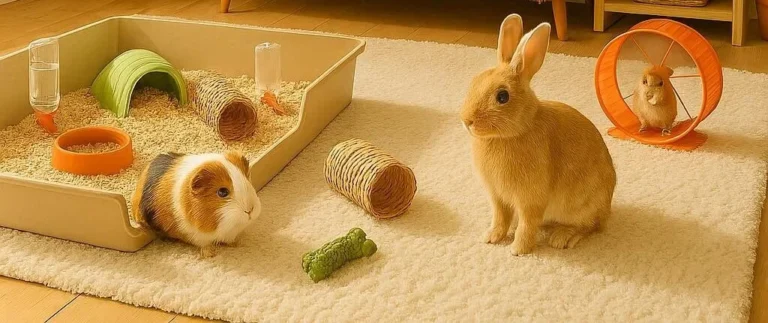
When it comes to space, the three species vary significantly. Hamsters are the smallest, typically weighing 100–200 grams and requiring a cage that is at least 450 cm² of floor space. They thrive in a single‑room enclosure with a wheel, tunnels, and bedding that absorbs moisture. Guinea pigs, on the other hand, are larger—usually 700–1,200 grams—and need a minimum of 1,000 cm² of floor area to move comfortably. Rabbits are the largest of the trio, often weighing 2–4 kilograms, and they benefit from a spacious loft or a large playpen that allows them to hop and explore. If you live in a small apartment, a hamster might be the most practical choice, whereas a guinea pig or rabbit requires more room and a more robust enclosure.
Hamster vs Guinea Pig vs Rabbit: Temperament and Social Interaction
Understanding each animal’s personality is crucial. Hamsters are solitary by nature; they prefer to live alone and can become stressed when handled too often. Guinea pigs are social and enjoy companionship—whether with other guinea pigs or with their human caretakers. They are gentle and can be trained to respond to their names. Rabbits are highly social and intelligent; they thrive on interaction and can bond closely with their owners. However, rabbits also have a strong prey instinct and can be more demanding of attention. If you’re looking for a low‑maintenance pet that doesn’t require constant handling, a hamster may suit you. For a more interactive experience, consider a guinea pig or rabbit.
Hamster vs Guinea Pig vs Rabbit: Exercise Requirements
Exercise is essential for all small pets, but the type and amount differ. Hamsters are nocturnal and need a running wheel and tunnels to stay active during the night. Guinea pigs benefit from daily supervised playtime outside their cage, where they can explore and chew on safe plants. Rabbits require even more space and exercise; they should have at least an hour of free play in a rabbit‑proofed area each day to prevent obesity and behavioral issues. Providing appropriate enrichment—such as chew toys for guinea pigs and tunnels for rabbits—helps keep them mentally stimulated.
Hamster vs Guinea Pig vs Rabbit: Lifespan and Health Considerations
Longevity varies across species. Hamsters typically live 2–3 years, while guinea pigs can reach 5–7 years with proper care. Rabbits have a similar lifespan, often living 8–12 years if kept healthy. Health concerns also differ: hamsters can develop respiratory infections if kept in damp environments; guinea pigs require a diet rich in vitamin C to prevent scurvy; rabbits need regular dental check‑ups because their teeth grow continuously. Regular veterinary visits and a balanced diet tailored to each species are key to a long, healthy life.
Hamster vs Guinea Pig vs Rabbit: Cost and Maintenance
Initial and ongoing costs can influence your decision. Hamsters are relatively inexpensive to start—cages, bedding, and food can be purchased for under $50. Guinea pig supplies are slightly higher, with cages, hay, and supplements costing around $70–$100. Rabbits require the most investment: a large enclosure, a litter box, and a diet of hay, fresh greens, and occasional pellets can add up to $150 or more. Maintenance also differs; hamsters need weekly cage cleaning, guinea pigs require daily hay changes, and rabbits need daily fresh water and regular grooming to prevent matting.
Hamster vs Guinea Pig vs Rabbit: Which One Fits Your Lifestyle?
To decide, ask yourself these questions:
- Do you have limited space or a small apartment? Hamster is ideal.
- Do you want a pet that enjoys social interaction but is still relatively low‑maintenance? Guinea pig is a great fit.
- Are you ready for a more active, social animal that requires more space and daily interaction? Rabbit is the best choice.
Consider your schedule, budget, and the amount of time you can dedicate to a pet’s care. Each animal offers unique joys and challenges, so choose the one that aligns best with your lifestyle.
Hamster vs Guinea Pig vs Rabbit: Final Decision and Next Steps
In conclusion, Hamster vs Guinea Pig vs Rabbit boils down to your personal preferences and living situation. If you value a quiet, low‑interaction companion, a hamster is perfect. For a friendly, trainable friend that enjoys gentle handling, a guinea pig is ideal. If you’re ready for a social, energetic pet that can become a lifelong companion, a rabbit is the way to go. Take the time to research each species, visit reputable breeders or shelters, and consult with a veterinarian to ensure you’re prepared for the responsibilities ahead.
Ready to bring home a new friend? Explore reputable shelters and find the perfect small pet that matches your lifestyle today!
For more detailed information, visit these trusted resources:
- Hamster – Wikipedia
- Guinea Pig – Wikipedia
- Rabbit – Wikipedia
- Hamster Care – AVMA
- Guinea Pig Care – AVMA
- Rabbit Care – AVMA
Frequently Asked Questions
Q1. What are the main differences in size between a hamster, guinea pig, and rabbit?
Hamsters are the smallest, weighing 100–200 g and needing a cage of at least 450 cm². Guinea pigs are larger, 700–1,200 g, and require 1,000 cm² of floor space. Rabbits are the biggest, 2–4 kg, and benefit from a spacious loft or large playpen to hop and explore.
Q2. Which small pet is best for a small apartment?
A hamster is ideal for limited space because it can thrive in a compact enclosure and requires minimal daily handling. Guinea pigs and rabbits need more room, making them less suitable for tight apartments.
Q3. How often should I exercise my rabbit compared to a hamster?
Rabbits need at least an hour of free play in a rabbit‑proofed area each day to stay healthy. Hamsters, being nocturnal, benefit from a running wheel and tunnels during the night, but they don’t require daily outdoor exercise.
Q4. What are the typical lifespans of each animal?
Hamsters live 2–3 years, guinea pigs 5–7 years, and rabbits 8–12 years with proper care. Longevity varies with diet, environment, and veterinary attention.
Q5. Are guinea pigs social animals?
Yes, guinea pigs are social and enjoy companionship, whether with other guinea pigs or with their human caretakers. They are gentle, can be trained to respond to their names, and thrive on interaction.