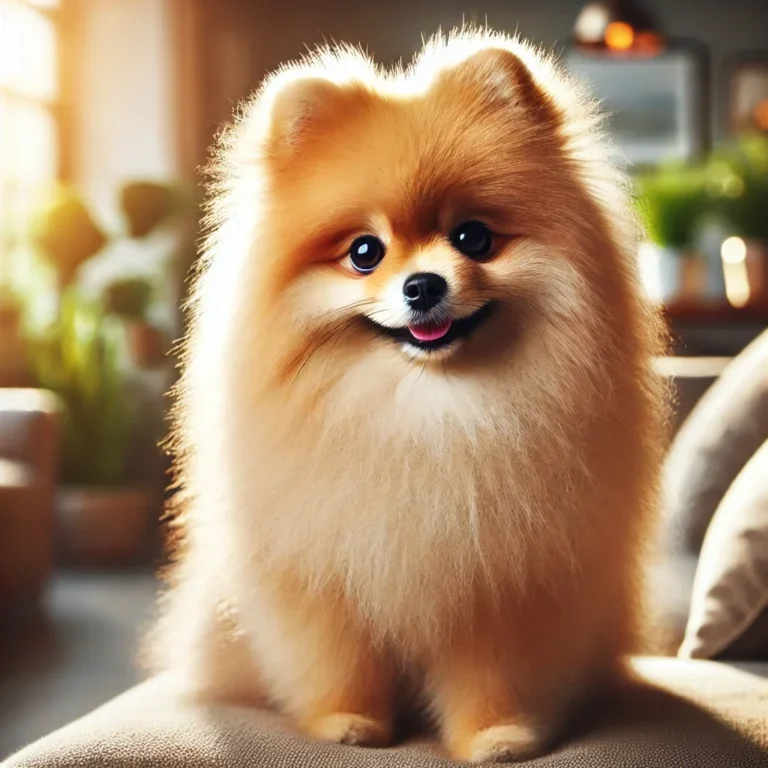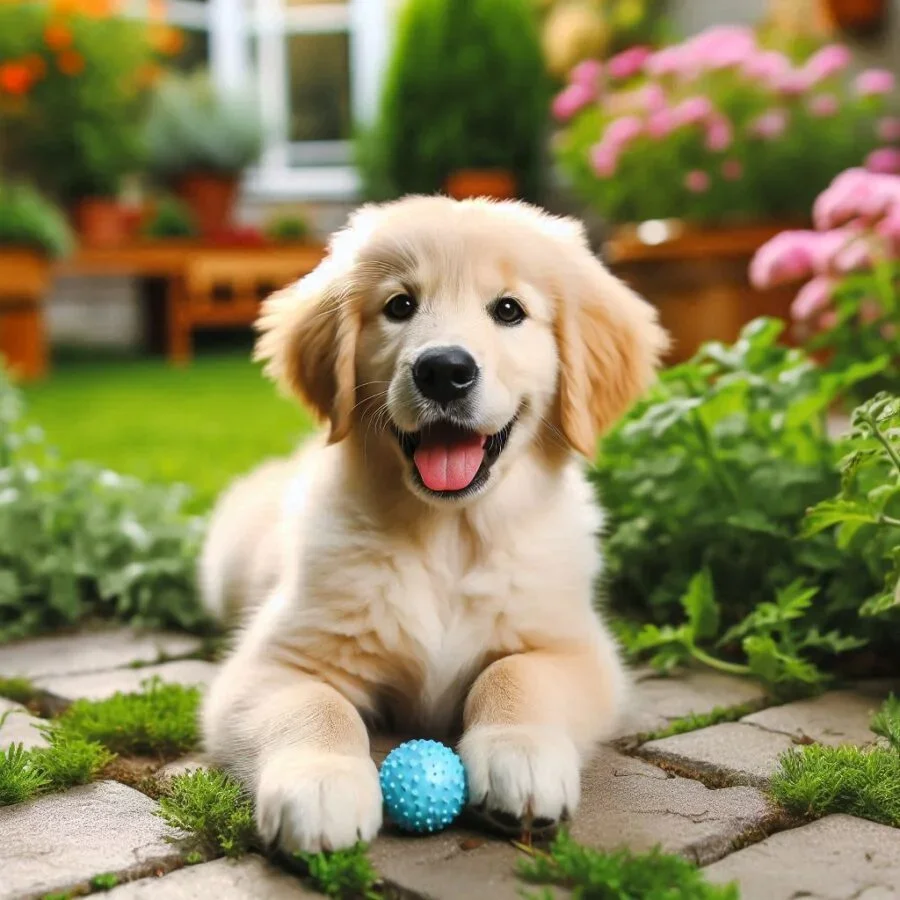
What Makes Dogs Different from One Another on a Genetic Level
Dogs (Canis lupus familiaris) have been our companions for thousands of years, yet each dog’s appearance, behavior, and health can differ dramatically from another. What lies behind this remarkable diversity? The answer is rooted in genetics – the code that dictates how a dog looks, moves, reacts, and even how it may develop certain diseases. In this post we uncover the genetic science that makes every dog unique, explore key DNA markers, and discuss how modern genomic tools are reshaping breeding and veterinary care.
Evolutionary Foundations of Canine Genetics
The genetic diversity we observe in modern dogs stems from a long evolutionary journey:
- Domestication: Around 15,000–40,000 years ago, wolves began associating with human settlements, eventually evolving into domestic dogs.
- Selective breeding: Humans selected for traits such as size, temperament, or hunting ability, creating distinct breed populations.
- Gene flow and hybridization: Breeders sometimes cross breeds, adding new genetic variations.
This process produced a rich tapestry of DNA variations. For instance, the domestication event introduced ~4–5% of the total canine genome that differs from its wild ancestor, the gray wolf.
DNA Sequencing and Breed Identification
With the advent of high‑throughput sequencing, scientists can now decode entire canine genomes. Key resources and milestones:
| Milestone | Year | Impact |
|—|—|—|
| First draft of the dog genome | 2005 | Revealed ~2.5 Gb of DNA, 21,000+ genes |
| The Canine 10K project | 2012 | Sequenced over 10,000 breeds, identifying breed‑specific markers |
| Ongoing Canine Genome Project | 2023 | Continuous updates on genomic variation and disease loci |
These projects rely on publicly available data from repositories like NCBI and the Ensembl portal.
How do we use DNA to identify a breed?
- Genotyping arrays: Snapshot of millions of SNPs (single‑nucleotide polymorphisms).
- Whole‑genome sequencing (WGS): Full DNA map.
- Reference panels: DNA fingerprints of registered purebred dogs.
- Machine learning classifiers: Predict breed probabilities based on genetic patterns.
Using these tools, companies can offer consumer kits that estimate a dog’s ancestry with ~95% accuracy.
Key Genetic Markers Influencing Appearance and Behavior
Here are the principal genes and genomic regions that paint the canine picture:
1. Size and Body Proportions
- FGF4 retrogene on chromosome 18: linked to shorter legs in breeds like Dachshunds.
- HOXD10 variant: Influences limb length and overall body shape.
2. Coat Color & Pattern
- MC1R and ASIP: Determine pheomelanin (red/yellow) vs eumelanin (black/brown) production.
- KIT mutations: Responsible for white spotting and piebald patterns.
- EDNRB: Influences dilution of colors, e.g., in brindle coats.
3. Coat Texture
- FGF5: Controls hair length; important for breeds like Shih Tzu vs. Greyhound.
- TRPV1: Linked to resistance against matting.
4. Ear Shape
- Variants in BMP7 and LMX1B: Influence folded or erect ears.
5. Temperament & Behavior
- 5‑HTTLPR in the serotonin transporter gene: Associated with sociability.
- COMT variants: Affect anxiety and stress response.
- BDNF and DARPP‑32: Influence learning and impulse control.
These loci show that a single genetic switch can drastically alter both phenotype and behavior.
Inherited Traits: Size, Coat, and Temperament
While specific genes control isolated traits, breeding strategies shape complex phenotypes:
- Selective pressure: Breeders push for extreme size or coat colors, accidentally enriching deleterious alleles.
- Founding bottlenecks: Some breeds derive from only a handful of individuals, amplifying recessive disorders.
- Balancing selection: Traits that provide survival advantages (e.g., scent tracking genes like V2R) remain prevalent across many breeds.
Health Implications
Certain alleles predispose breeds to conditions such as:
- Hepatic lipidosis in Poodle and Bichon breeds.
- Hip dysplasia correlated with the CPLX1 variant.
- Lysosomal storage disorders (e.g., GUSB loss‑of‑function in certain herding breeds).
Genetic testing panels now screen for these risk alleles, enabling responsible breeding decisions.
The Role of Gene Editing and CRISPR in Dog Breeding
The CRISPR‑Cas9 system offers the possibility to edit specific genomic regions:
- Disease‑rescue: Correction of DMD gene defects in canine Duchenne muscular dystrophy models.
- Tailor‑made traits: Potential to manipulate coat color or length, though ethical debates loom.
- Regulatory stance: Most countries require strict oversight; commercial use remains limited.
Ongoing research demonstrates in vitro success, yet the translation to routine breeding is far from ready.
Population Genetics and Breed Health
Large‑scale genetic analyses reveal.
- Effective population size (Ne): Many purebred lines have Ne < 200, increasing inbreeding depression.
- Runs of homozygosity (ROH): Signify segments inherited identically from both parents; high ROH correlates with health problems.
- Marker‑assisted selection: Using SNP chips to avoid matings that would generate high‑risk genotypes.
Veterinarians now frequently recommend breed‑specific health panels based on genomic insights.
Understanding Genetic Variation: The Science Behind Diversity
The concept of a pan-genome—the full complement of genes present in all members of a species—is useful here. For dogs:
- Core genome: ~20,000 genes shared across breeds.
- Accessory genome: Genes present only in certain breeds, potentially conferring unique traits.
- Structural variants: Copy number variations (CNVs) and translocations can produce significant phenotypic differences.
Researchers are increasingly cataloguing variant effect predictors to gauge how a mutation may alter protein function.
Future Directions in Canine Genomics
What lies ahead?
- Whole‑Genome Imputation: Enhances resolution for rare variants without full sequencing.
- Pharmacogenomics: Tailor drug dosing to individual genomes, reducing adverse reactions.
- GxE interactions: Study how genes interact with environment (e.g., nutrition, exercise) to influence phenotype.
- Collaborations: International consortia like the Canine Genetic Consortium are pooling data for larger studies.
These developments promise not only refined breeding but also improved veterinary diagnostics and personalized wellness plans.
Conclusion
Every dog’s genetic makeup is a unique narrative written over millennia of evolutionary pressures, selective breeding, and sometimes, random mutation. By decoding this DNA story—from fundamental genes that dictate size and coat to complex regulatory regions influencing temperament—we gain insight into why each dog is special.
Whether you’re a breeder, owner, or simply a curious pet lover, understanding canine genetics empowers better choices—whether it’s health screening, responsible breeding, or simply appreciating the extraordinary diversity of our four‑footed friends.
Want to dive deeper? Check out our free downloadable Canine Gene Reference Guide and join our community forum to share and learn more about the genetics behind the breeds you love.