Unusually Cute Small Pets
Living in a modern apartment often means compromising on space, but the desire for a lively, affectionate companion remains strong. Unusually cute small pets have surged in popularity because they combine charm, low‑maintenance care, and a perfect size for city dwellers. From the gentle whiskers of a dwarf hamster to the soft hops of a miniature rabbit, these petite companions fit seamlessly into contemporary homes while offering genuine joy and emotional benefits. This guide explores four standout options, highlighting their unique appeal, care requirements, and why they are ideal for today’s busy lifestyles.
Unusually Cute Small Pets: Dwarf Hamsters
Dwarf hamsters, such as the Campbell’s and Roborovski varieties, are among the tiniest rodent pets, typically weighing only 30–45 grams. Their diminutive size and active nature make them fascinating observers for anyone watching from a desk or couch. Despite their small stature, they are highly intelligent, capable of learning simple mazes and recognizing their owners’ scent. According to the Wikipedia entry on dwarf hamsters, these animals thrive in environments that mimic natural burrows, so providing a deep, layered substrate is essential for their well‑being.
Key care tips include:
- Offer a spacious cage with multiple levels to encourage climbing and exploration.
- Provide chew‑safe toys and tunnels to satisfy their instinctual gnawing behavior.
- Maintain a diet of high‑quality hamster pellets supplemented with occasional fresh fruits and vegetables.
- Clean the cage weekly and spot‑clean daily to prevent odor buildup.
Because dwarf hamsters are nocturnal, they often become most active during the evening, making them perfect companions for night‑shift workers or those who unwind after dinner.
Unusually Cute Small Pets: Miniature Rabbits
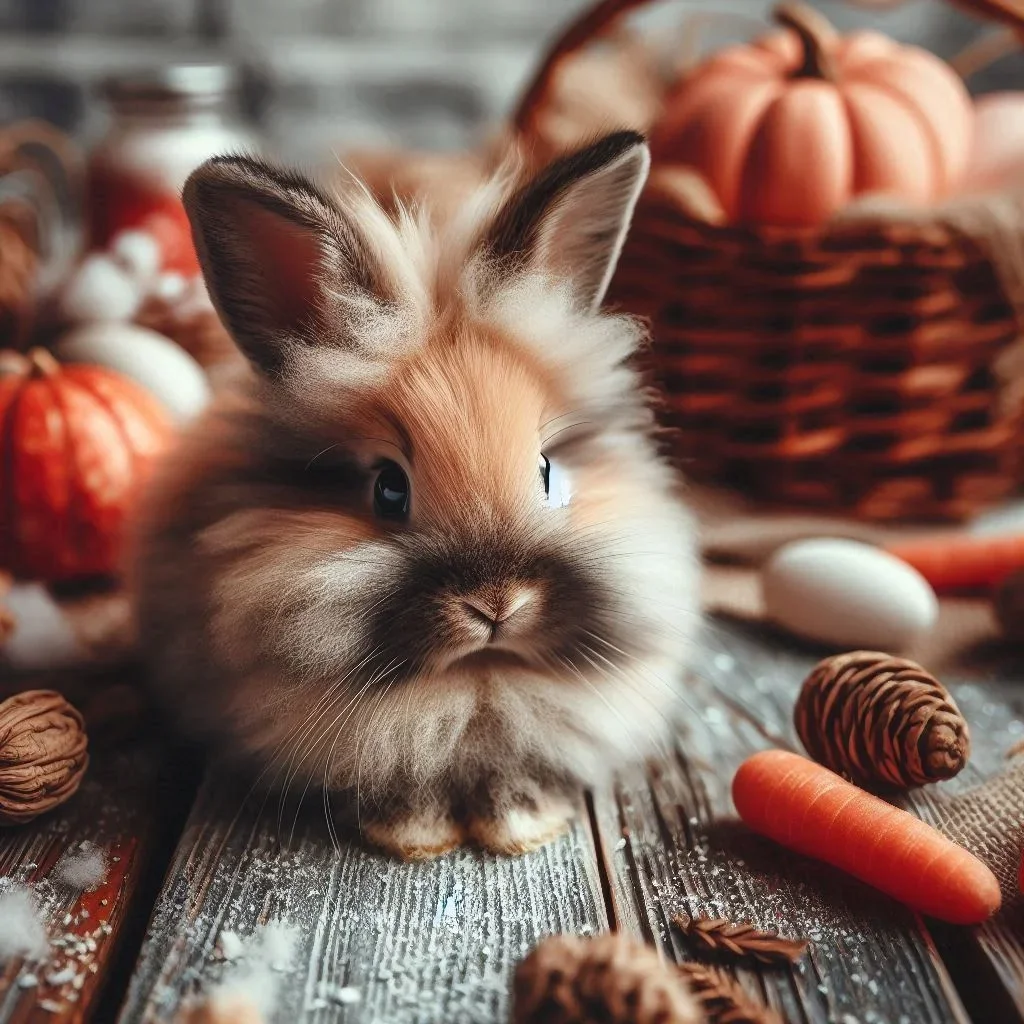
Miniature rabbit breeds, such as the Netherland Dwarf and the Holland Lop, weigh under 2 pounds and possess irresistibly soft fur and expressive ears. These rabbits are known for their sociable temperament and can be litter‑trained, making them suitable for indoor living. The Netherland Dwarf Wikipedia page notes that their compact size does not diminish their need for spacious, rabbit‑proofed areas for hopping and exercising.
To keep a miniature rabbit thriving:
- Provide a minimum of 8 square feet of floor space, plus a safe, chew‑proof enclosure.
- Supply unlimited hay, fresh leafy greens, and a measured portion of high‑fiber pellets.
- Include a litter box with rabbit‑safe litter, as most breeds learn quickly.
- Offer daily social interaction; rabbits form strong bonds with their caregivers.
Regular veterinary check‑ups are crucial. The CDC’s pet hygiene guidance emphasizes the importance of hand‑washing after handling rabbits to prevent zoonotic diseases.
Unusually Cute Small Pets: Fancy Mice
Fancy mice, especially the coat‑patterned varieties like the Satin and the Black Olive, are surprisingly affectionate and highly trainable. These rodents are intelligent, capable of recognizing their names and responding to gentle handling. Their small footprint—requiring only about 0.5 square feet per mouse—makes them ideal for limited spaces.
Key considerations for mouse owners include:
- Choosing a well‑ventilated cage with solid flooring to prevent foot injuries.
- Providing a balanced diet of commercial mouse blocks, supplemented with small amounts of seeds and fresh produce.
- Offering enrichment such as wheels, tunnels, and climbing structures to prevent boredom.
- Maintaining a clean environment by removing soiled bedding weekly.
While mice have a relatively short lifespan of 1½ to 2 years, their lively personalities and low cost make them a rewarding choice for first‑time pet owners.
Unusually Cute Small Pets: Hedgehogs
The African pygmy hedgehog, averaging 5–8 inches in length, has captured the hearts of urban pet enthusiasts with its spiky yet endearing appearance. Despite their unconventional looks, hedgehogs are solitary, low‑odor animals that thrive in solitary housing. The Wikipedia article on African pygmy hedgehogs highlights their need for a temperature‑controlled environment, typically between 72°F and 80°F, to prevent stress.
Essential care steps include:
- Providing a spacious enclosure with a solid floor and hideaways for privacy.
- Feeding a high‑protein diet formulated for hedgehogs, supplemented with occasional insects.
- Ensuring nightly wheel exercise to mimic natural foraging behavior.
- Regular veterinary visits to a professional experienced with exotic pets; many colleges, such as Cornell University College of Veterinary Medicine, offer resources on exotic animal care.
Because hedgehogs are primarily nocturnal, they are best suited for owners who are comfortable with nighttime activity.
Choosing the Right Unusually Cute Small Pet for Your Lifestyle
When selecting a companion, consider factors such as daily time commitment, noise tolerance, and any housing restrictions imposed by landlords. Apartment‑friendly pets like dwarf hamsters and fancy mice require minimal space and produce little noise, while miniature rabbits and hedgehogs may need additional environmental controls but offer deeper interactive experiences. Conducting thorough research and consulting reputable sources—such as the CDC, Wikipedia, and university veterinary programs—ensures you make an informed, responsible choice.
Ultimately, the joy derived from caring for an unusually cute small pet extends far beyond the confines of a small living area. These companions enrich modern homes with affection, curiosity, and a touch of nature.
Ready to welcome an unusually cute small pet into your modern home? Explore our detailed care guides, connect with local rescue groups, and subscribe for expert tips to keep your new friend thriving.
Frequently Asked Questions
Q1. Which small pet is best for a quiet apartment?
Dwarf hamsters and fancy mice require minimal space and produce little noise, making them ideal for apartments with thin walls. They are low‑maintenance and can be kept in small, well‑ventilated cages. Regular cleaning keeps odors down.
Q2. Can miniature rabbits live indoors?
Yes, miniature rabbits can thrive indoors if given enough floor space, a rabbit‑proofed area, and daily exercise. Provide unlimited hay, fresh greens, and a litter box for hygiene. Social interaction is essential for their wellbeing.
Q3. How much time do hedgehogs need daily?
Hedgehogs need about 30‑45 minutes of wheel exercise and exploration each night, plus time for handling to build trust. Their nocturnal nature means they are most active after dusk. Consistent temperature control is also crucial.
Q4. What is the average lifespan of a fancy mouse?
Fancy mice typically live 1½ to 2 years when given a balanced diet, enrichment, and regular health checks. Proper cage hygiene and a safe environment can help maximize their lifespan. Consider them as short‑term, yet rewarding companions.
Q5. Are dwarf hamsters nocturnal?
Yes, dwarf hamsters are primarily nocturnal, becoming most active during evening and night hours. This makes them suitable for owners who are awake later. Providing nighttime enrichment keeps them engaged.