Understanding Your Bird’s Social Needs and Behaviors
Birds are fascinating creatures, each with unique personalities and behaviors. Whether you’re a seasoned bird owner or a new enthusiast, understanding your bird’s social needs is crucial for their well-being. Birds are inherently social animals, and their behavior is shaped by their natural instincts to live in flocks, communicate, and interact with their environment. In this article, we’ll delve into the intricacies of bird social needs, explore common behaviors, and provide practical tips to ensure your feathered companion leads a happy and fulfilling life.
Why Understanding Bird Social Needs Matters
Birds in the wild thrive in flocks, where they interact, mate, and protect each other. Domesticated birds, while adapted to life in captivity, still retain these instincts. Ignoring your bird’s social needs can lead to behavioral problems such as feather plucking, excessive screaming, and aggression. By addressing these needs, you can create a harmonious and enriching environment for your bird.
Types of Bird Social Structures
Birds exhibit varying levels of social behavior, depending on their species. Some birds are highly social and thrive in flocks, while others prefer solitude. Here’s a breakdown of common social structures:
- Flocking Birds
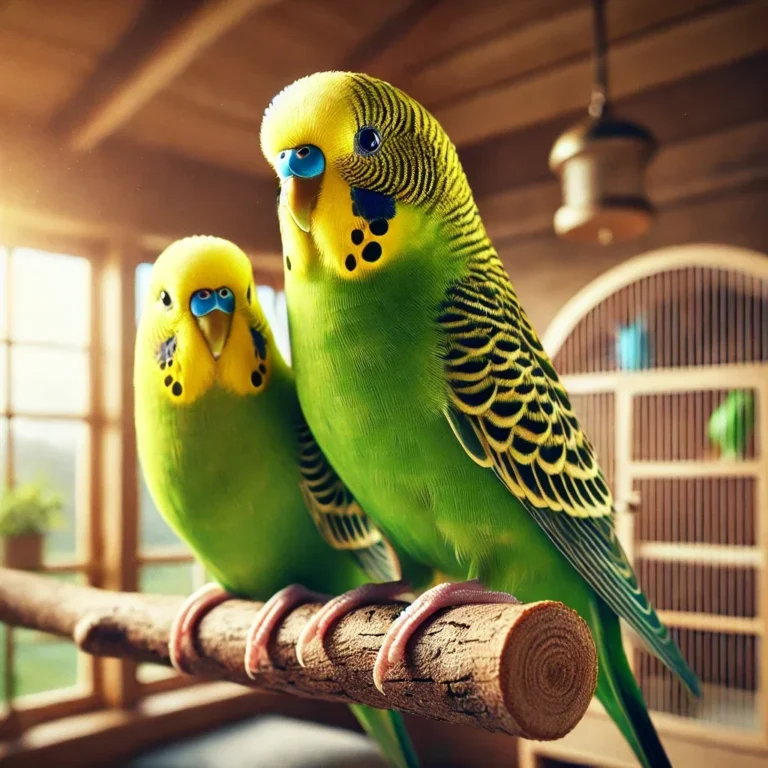
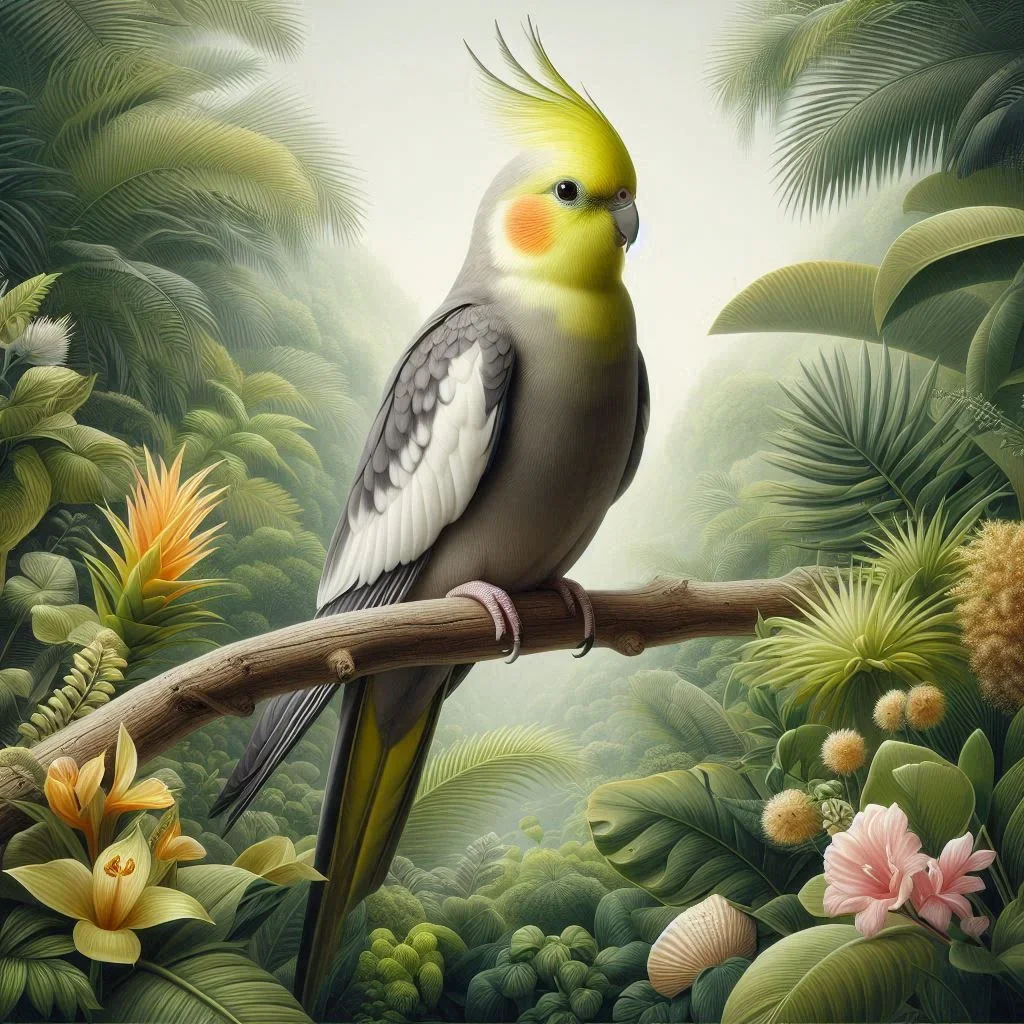
- Many bird species, such as parrots, cockatiels, and budgies, are naturally flock-oriented. These birds require constant interaction and stimulation.
- Example: African Greys and Amazon parrots are known for their strong social bonds and need for companionship.
- Pair Bonding
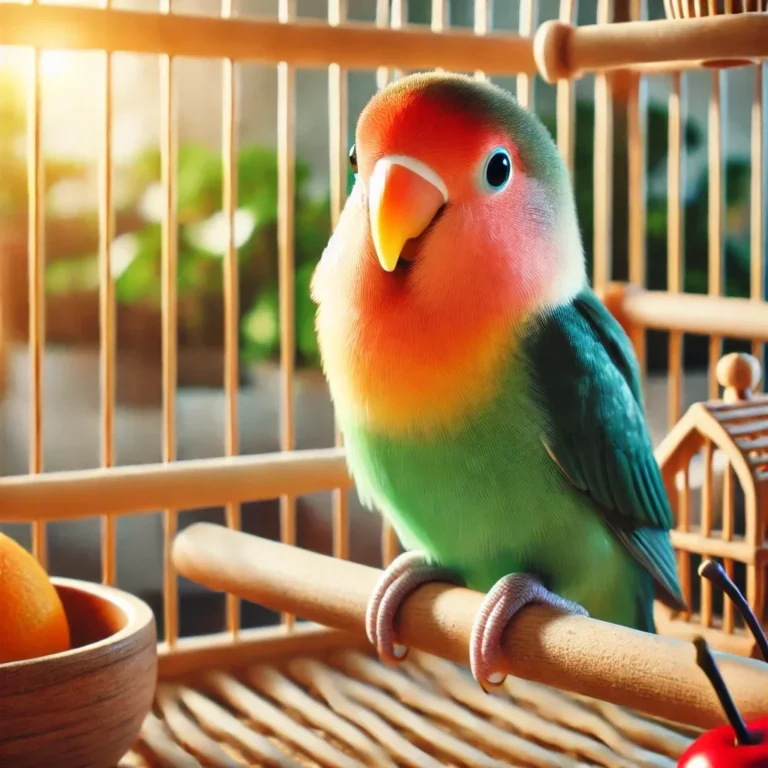
- Some birds form strong pair bonds, often staying with their mates for life. Examples include lovebirds and certain species of cockatoos.
- Solitary Birds
- Not all birds are social. Some, like many species of finches, are content with minimal interaction and prefer to live alone or in pairs.
Understanding your bird’s natural social tendencies is key to providing the right environment. Research your bird’s species-specific needs to ensure you’re meeting their social requirements.
Bird Communication: More Than Just Chirping
Birds communicate in a variety of ways, including vocalizations, body language, and even visual displays. Understanding these forms of communication can help you better connect with your bird and identify potential issues.
- Vocalizations
- Birds use a wide range of sounds to convey emotions, needs, and warnings. For example, a happy bird may chirp or whistle, while a stressed bird may scream or squawk.
- Body Language
- Birds use body language to express their mood. A relaxed bird will stand tall with feathers smooth, while a stressed bird may fluff its feathers or lower its head.
- Visual Displays
- Some birds use elaborate displays to communicate. For example, male peacocks spread their tails to attract mates, while birds of paradise perform intricate dances.
To learn more about bird communication, visit the Audubon Society website.
Signs of Social Distress in Birds
Just like humans, birds can exhibit signs of social distress when their needs aren’t met. Recognizing these signs early can help you intervene and improve your bird’s quality of life.
- Feather Plucking
- Feather plucking, also known as feather pecking, is a common sign of stress, boredom, or loneliness in birds.
- Excessive Screaming
- While some screaming is normal, persistent loud vocalizations can indicate frustration or anxiety.
- Aggression
- Biting, lunging, or aggressive posturing can be a sign that your bird is not getting the social interaction it needs.
- Lethargy
- A bird that becomes withdrawn or inactive may be suffering from loneliness or depression.
Creating a Stimulating Social Environment for Your Bird
Creating a stimulating social environment for your bird involves providing the right combination of interaction, enrichment, and mental stimulation. Here are some tips to get you started:
- Provide Social Interaction
- If your bird is a social species, consider getting a compatible companion. However, introducing a new bird to your flock requires careful planning to avoid conflicts.
- Spend quality time with your bird daily. Interactive activities like playtime, training, and simple conversation can strengthen your bond.
- Create a Dynamic Environment
- Keep your bird’s environment interesting by rotating toys, adding new perches, and introducing novel objects.
- Consider creating a naturalistic aviary or outdoor enclosure where your bird can explore and forage.
- Encourage Foraging Behavior
- Foraging is a natural behavior for birds. Provide foraging toys filled with treats or scatter food around the cage to keep your bird busy.
- Provide Mental Stimulation
- Teach your bird tricks or commands. Mental stimulation can help reduce boredom and stress.
- Offer a Variety of Social Experiences
- Expose your bird to different social experiences, such as visits to a bird-friendly park or interaction with other birds under controlled circumstances.
Conclusion
Understanding your bird’s social needs and behaviors is essential for building a strong, healthy relationship with your feathered companion. By providing the right environment, social interaction, and mental stimulation, you can help your bird thrive and live a happy, fulfilling life.
If you have any questions or tips on meeting your bird’s social needs, please share them in the comments below. Don’t forget to subscribe to our newsletter for more expert advice on bird care and behavior, and follow us on social media for daily bird tips and updates!
To learn more about bird behavior and enrichment, visit the Cornell Lab of Ornithology and the Bird Behavior Institute websites.