Understanding Pet Emotions and Attachment
Introduction
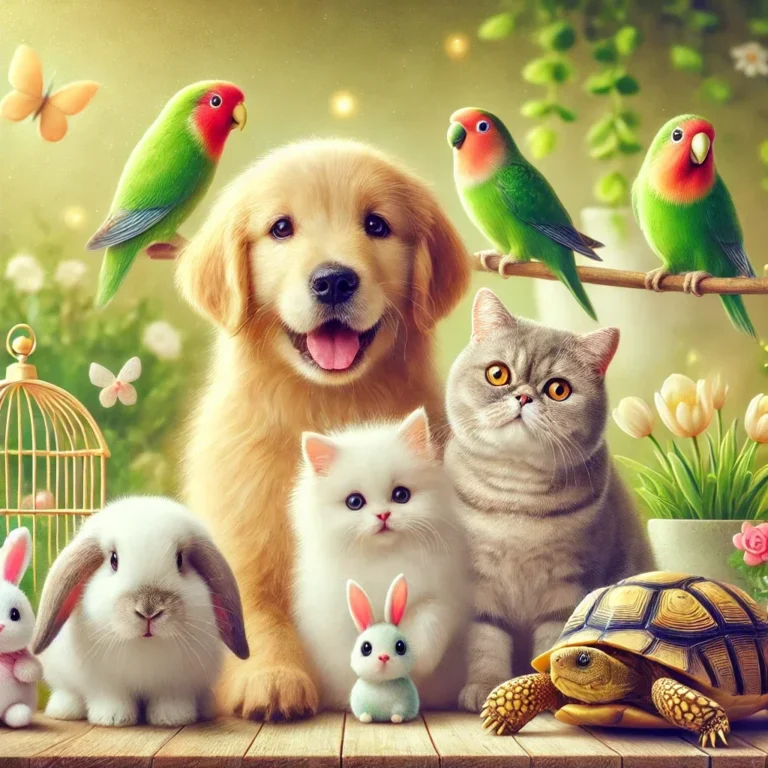
Pets are more than just animals; they are members of our families. As humans, we often wonder what our pets are thinking or feeling. Do they experience emotions like we do? Can they form deep attachments to us? The answer is yes. Pets, especially dogs, cats, and other domesticated animals, are capable of feeling a wide range of emotions, from happiness and excitement to fear and sadness. They also form strong emotional bonds with their owners, which can be deeply rewarding for both parties. In this blog post, we will explore the emotional lives of pets and the nature of their attachment to humans, helping you better understand your furry friend and strengthen your relationship with them.
The Emotional Lives of Pets
Many people assume that pets don’t experience emotions the way humans do. However, scientific research has shown that pets are indeed capable of feeling emotions, although their emotional experiences may differ from ours. Animals have evolved to express and interpret emotions, which are essential for their survival and social interactions. For example, a dog may feel fear when it hears a loud noise, excitement when it sees its owner come home, or contentment when it’s being petted. Similarly, cats can exhibit signs of happiness, such as purring, or signs of stress, such as pacing back and forth.
Common Emotions in Pets
Pets exhibit a variety of emotions, each with its own set of behaviors and triggers. Here are some of the most common emotions your pet may experience:
- Joy and Happiness
Pets feel joy and happiness in response to positive experiences, such as playing with a favorite toy, receiving treats, or spending time with their owners. Dogs often wag their tails and bark enthusiastically when they’re happy, while cats may purr, rub against their owners, or display playful behavior. - Fear and Anxiety
Fear is a natural emotion that helps pets avoid potential dangers. For example, a dog may become frightened by loud noises, such as fireworks or thunderstorms, and exhibit behaviors like hiding, trembling, or barking excessively. Similarly, cats may hiss, flatten their ears, or hide under furniture when they feel threatened. - Love and Affection
Pets are capable of deep love and affection for their owners. This is often evident in their loyal behavior, such as following their owners around the house, greeting them at the door, or nuzzling them for attention. Dogs, in particular, are known for their loyalty and ability to form strong emotional bonds with their owners. - Sadness and Grief
While it’s less commonly discussed, pets can also experience sadness and grief. For example, a pet may become depressed after the loss of a companion, whether it’s another pet or a human family member. Symptoms of sadness in pets may include changes in appetite, lethargy, or withdrawal from activities they once enjoyed.
The Science Behind Pet Emotions
Understanding how pets experience emotions involves looking at their brain structure and behavior. Studies have shown that animals have brain regions similar to those in humans that are associated with emotional responses. For example, the amygdala, which processes fear, and the dopamine system, which is involved in pleasure and reward, are present in both humans and animals. This suggests that pets are capable of experiencing emotions in a way that is somewhat comparable to humans.
In addition to brain structure, a pet’s behavior can provide insight into their emotional state. For instance, a wagging tail in a dog can indicate excitement or happiness, while a tucked tail may signal fear or submission. In cats, a puffed-up tail or arched back may indicate fear or aggression. By paying attention to these behavioral cues, you can better understand what your pet is feeling and respond appropriately.
The Bond Between Pets and Their Owners
The bond between pets and their owners is one of the most unique and rewarding relationships in the natural world. While pets are not humans, they are capable of forming deep emotional connections with their owners. This bond is built on trust, companionship, and mutual affection, and it can have a profound impact on both the pet and the owner.
Signs of Attachment in Pets
If you’re wondering whether your pet has formed a strong attachment to you, there are several signs to look for. These include:
- Following You Around
Does your pet follow you from room to room? This is a common sign of attachment, as your pet wants to be close to you and feel your presence. - Greeting You at the Door
When you come home, does your pet greet you enthusiastically? This is not just about excitement; it’s also a sign that your pet misses you and is happy to see you. - Initiating Physical Contact
Pets often initiate physical contact with their owners as a way of showing affection. For dogs, this might involve nuzzling, licking, or leaning against you. For cats, it might involve rubbing against your legs, sitting on your lap, or kneading with their paws. - Displaying Separation Anxiety
Some pets become distressed when their owners leave the house, exhibiting behaviors like barking, whining, or destroying property. While separation anxiety can be problematic, it also indicates that your pet has formed a strong emotional bond with you and relies on your presence for comfort.
How to Strengthen Your Bond with Your Pet
If you want to deepen your relationship with your pet, there are several steps you can take to strengthen your bond. These include:
- Spend Quality Time Together
One of the best ways to strengthen your bond with your pet is to spend quality time together. This might involve playing with your pet, going for walks, or simply sitting together on the couch. The more time you spend with your pet, the stronger your emotional connection will be. - Create a Routine
Pets thrive on routine, and establishing a regular schedule can help your pet feel secure and connected to you. This might involve feeding your pet at the same time every day, taking them for walks at consistent times, or engaging in playtime on a regular basis. - Show Physical Affection
Physical touch is an important way to show your pet love and affection. For dogs, this might involve patting them on the head, scratching behind their ears, or giving them a belly rub. For cats, it might involve stroking their fur, gently picking them up, or letting them curl up in your lap. - Be Attentive to Their Needs
Pets rely on their owners to meet their basic needs, and being attentive to these needs is an important part of building trust and strengthening your bond. This includes providing your pet with a nutritious diet, ensuring they have access to fresh water, and creating a safe and comfortable living environment. - Communicate Effectively
While pets cannot understand human language, they are highly attuned to nonverbal cues like tone of voice, body language, and facial expressions. By speaking to your pet in a calm, gentle voice, maintaining positive body language, and using consistent commands, you can communicate more effectively and strengthen your bond.
The Importance of Understanding Pet Emotions
Understanding pet emotions is not just about improving your relationship with your pet; it’s also crucial for their welfare. When you understand how your pet is feeling, you can respond in ways that support their emotional and psychological well-being. This might involve providing reassurance during times of fear, creating a calming environment to reduce stress, or simply giving your pet the attention and affection they need to feel loved.
In addition to benefiting your pet, understanding their emotions can also enrich your own life. The bond between a pet and their owner is a unique and deeply rewarding relationship that can bring joy, companionship, and a sense of purpose. By taking the time to understand your pet’s emotions and strengthen your attachment, you can create a more meaningful and fulfilling relationship with your furry friend.
Conclusion
Pets are more than just animals; they are living beings with emotions, needs, and the capacity to form deep emotional bonds with their owners. By understanding pet emotions and attachment, you can better meet your pet’s needs, strengthen your relationship, and create a more fulfilling life for both of you. Whether your pet is a dog, cat, or another type of animal, taking the time to understand their emotions and respond with love and compassion can have a profound impact on their well-being and your own. So, the next time you interact with your pet, remember that they are not just a pet—they are a friend, a companion, and a member of your family who deserves your love, care, and understanding.